Salmon and the Web of Life in Alaska
Discover the vital role of Alaska’s salmon in sustaining nature and wildlife photography landscapes. From pristine rivers and lush forests to rugged coastlines and thriving wildlife populations, salmon transport nutrients and energy that connect entire ecosystems. These iconic fish not only fuel Alaska’s biodiversity but also create breathtaking opportunities for capturing wildlife photography and nature scenes across the Last Frontier.
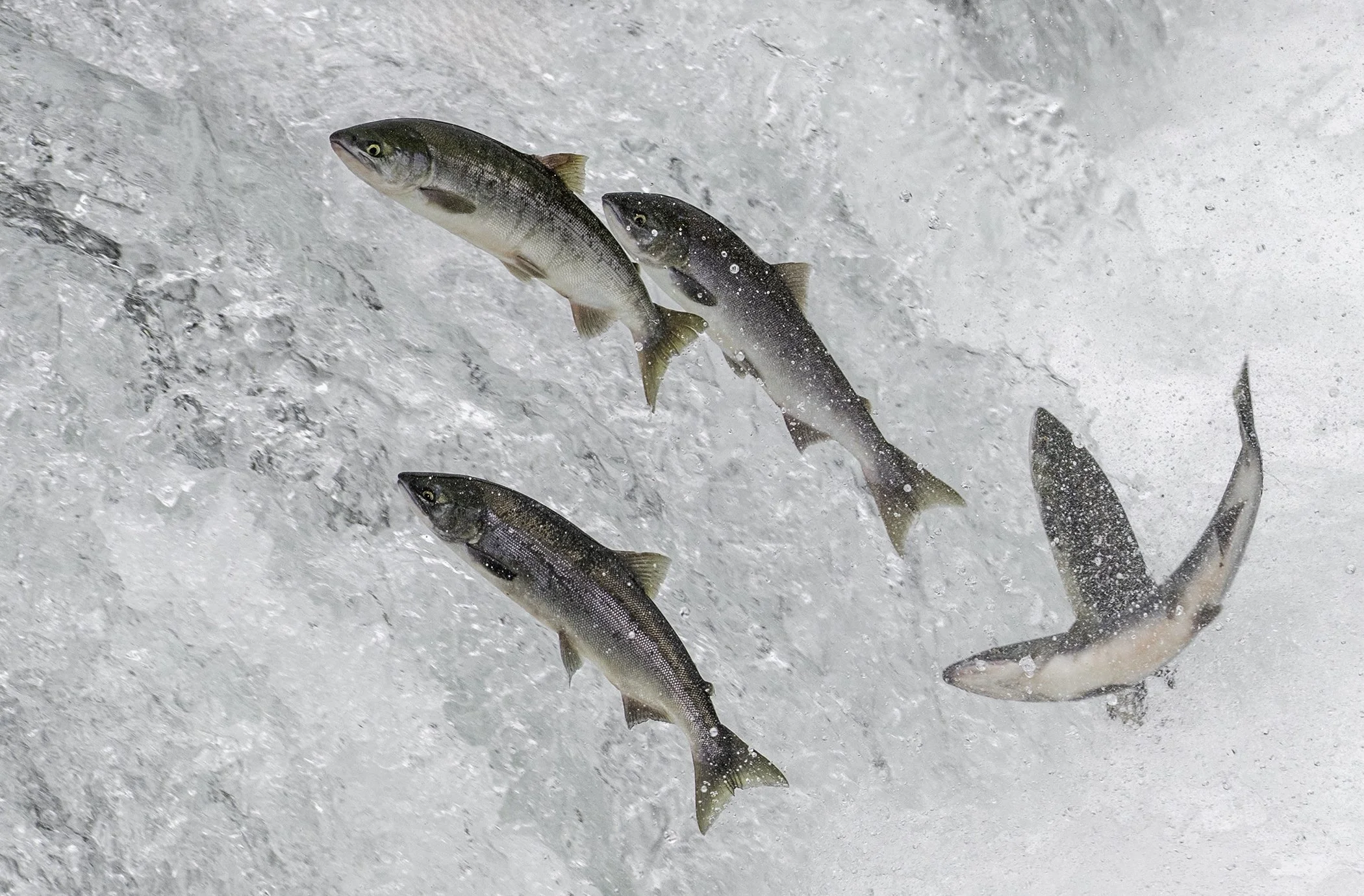
Sockeye salmon push upstream through fast water, driven by instinct and timing that fuel Alaska’s ecosystems each summer. Photo credit: Jenny Bowlden
The Salmon Species That Drive the System
Alaska is home to five species of Pacific salmon, and each plays a role:
Chinook (King): The largest salmon, rich in fat and calories. Especially important for bears early in the season.
Sockeye (Red): Famous for their bright red spawning color and huge runs. A major food source for bears, birds, and people.
Coho (Silver): Often arrive later in the season and extend the food supply into fall.
Chum (Dog): Less valued commercially, but critical for wildlife and nutrient transfer.
Pink (Humpy): The smallest and most abundant, feeding countless predators during peak years.
Together, these species stagger their runs across spring, summer, and fall, creating a long feeding window for wildlife.
Who Depends on Salmon
Salmon support an enormous web of life, directly and indirectly.
Bears
Brown bears and black bears are the most visible beneficiaries. Along rivers like those in Katmai, Lake Clark, and the Kenai Peninsula, bears rely on salmon to build fat reserves for winter. A single bear may eat dozens of fish a day during peak runs.Bald Eagles and Other Birds
Bald eagles gather by the hundreds near salmon streams. Gulls, ravens, magpies, and even songbirds feed on scraps left behind. These gatherings are some of the densest wildlife concentrations in Alaska.Wolves, Foxes, and Other Mammals
Wolves catch salmon in shallow streams. Foxes and even river otters rely heavily on salmon runs. These predators carry fish into forests, spreading nutrients far from the water.Aquatic Life
Dead salmon enrich streams with nitrogen and phosphorus. This boosts algae growth, which feeds insects, which in turn feed young fish and birds. Even future generations of salmon benefit from nutrients left behind by previous runs.Forests
Salmon feed forests in very real, physical ways. Bears and other animals catch salmon in rivers and often carry them into the woods to eat. What is left behind, including fish remains and bear scat, breaks down and releases marine nutrients like nitrogen and phosphorus into the soil.Rain, insects, and microbes move those nutrients deeper into the ground, where they are taken up by plants and trees. Over time, this extra nutrition helps trees near salmon streams grow faster and larger. Scientists have even traced salmon-derived nutrients in tree rings hundreds of feet from the water, showing just how far the influence of salmon can reach into the forest.
People
People are part of this system as well. Indigenous communities have depended on salmon for food, culture, and knowledge for thousands of years, and many Alaskans still plan their seasons around the runs. Salmon provide food for families, support livelihoods, and anchor communities to the rivers and coasts where they live. Healthy salmon runs mean healthy ecosystems, and they also mean continuity for the people who call Alaska home.
How Salmon Feed Bears and Their Cubs
For bears, salmon are a survival food. Adult bears time their movements around salmon runs, often selecting the fattiest parts of each fish, such as eggs, skin, and brains, to gain weight for the winter months ahead.
Cubs learn directly from their mothers. They watch where to stand in fast water, how to catch fish, and how to navigate the presence of larger, dominant bears. Strong salmon seasons lead to higher cub survival, while poor runs often result in higher cub mortality.
Over time, salmon shape more than just their diet. They influence bear behavior, social hierarchy, and which individual bears return to the same rivers year after year.
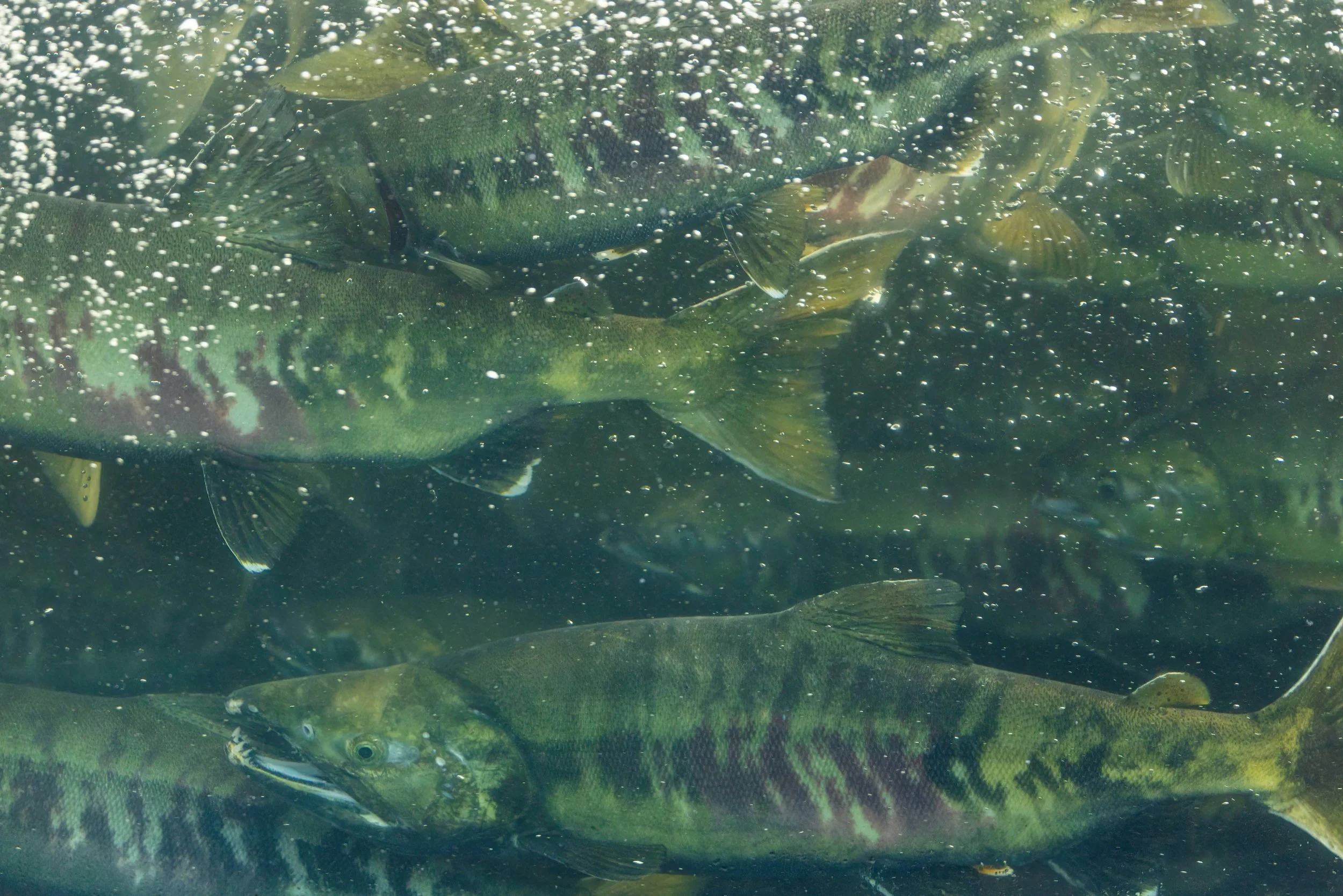
A group of chum salmon moves upstream together, their distinct markings a sign they are nearing spawning grounds.
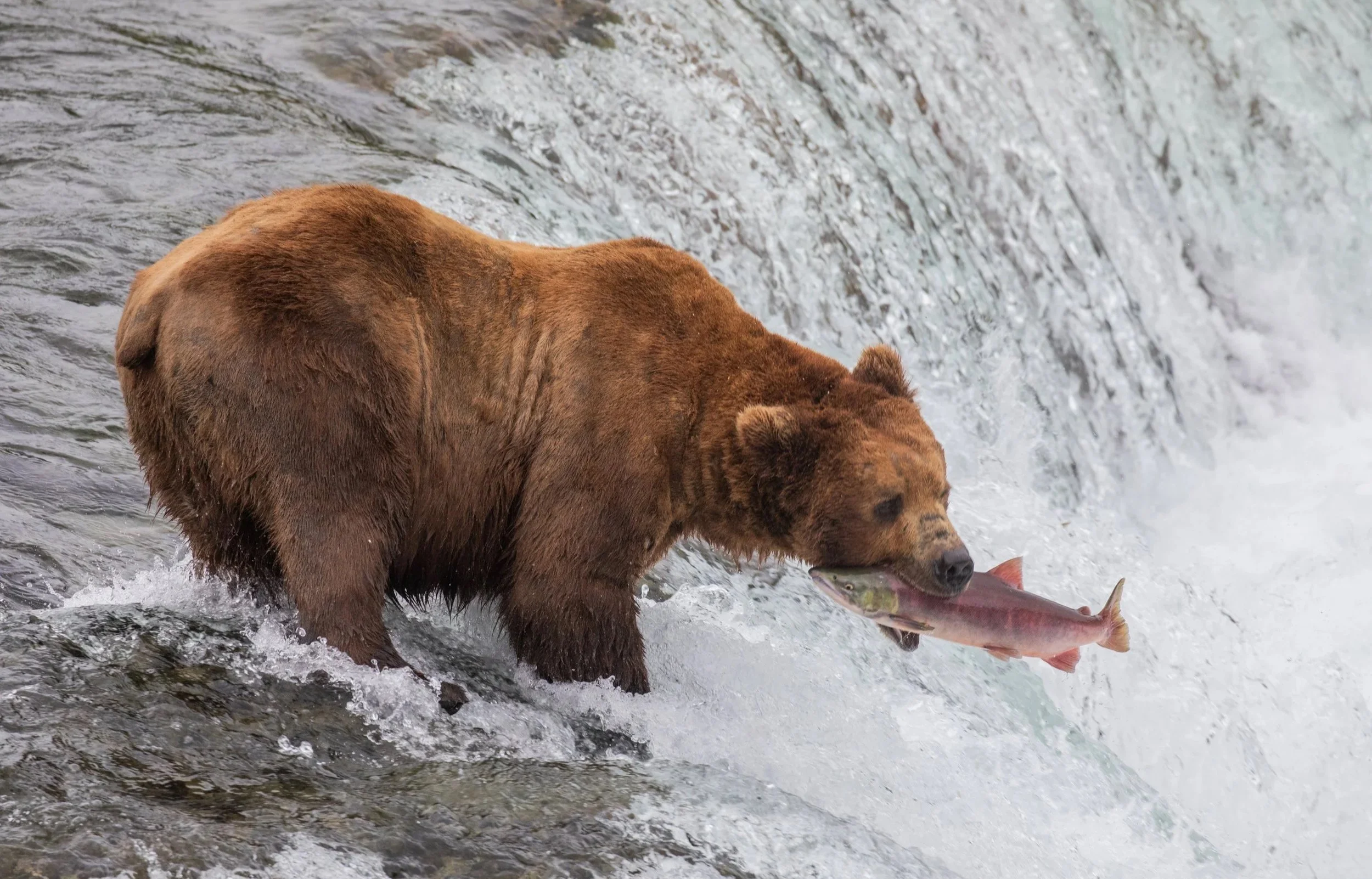
A brown bear catches a sockeye salmon at Brooks Falls in Katmai, where salmon runs draw bears back year after year.
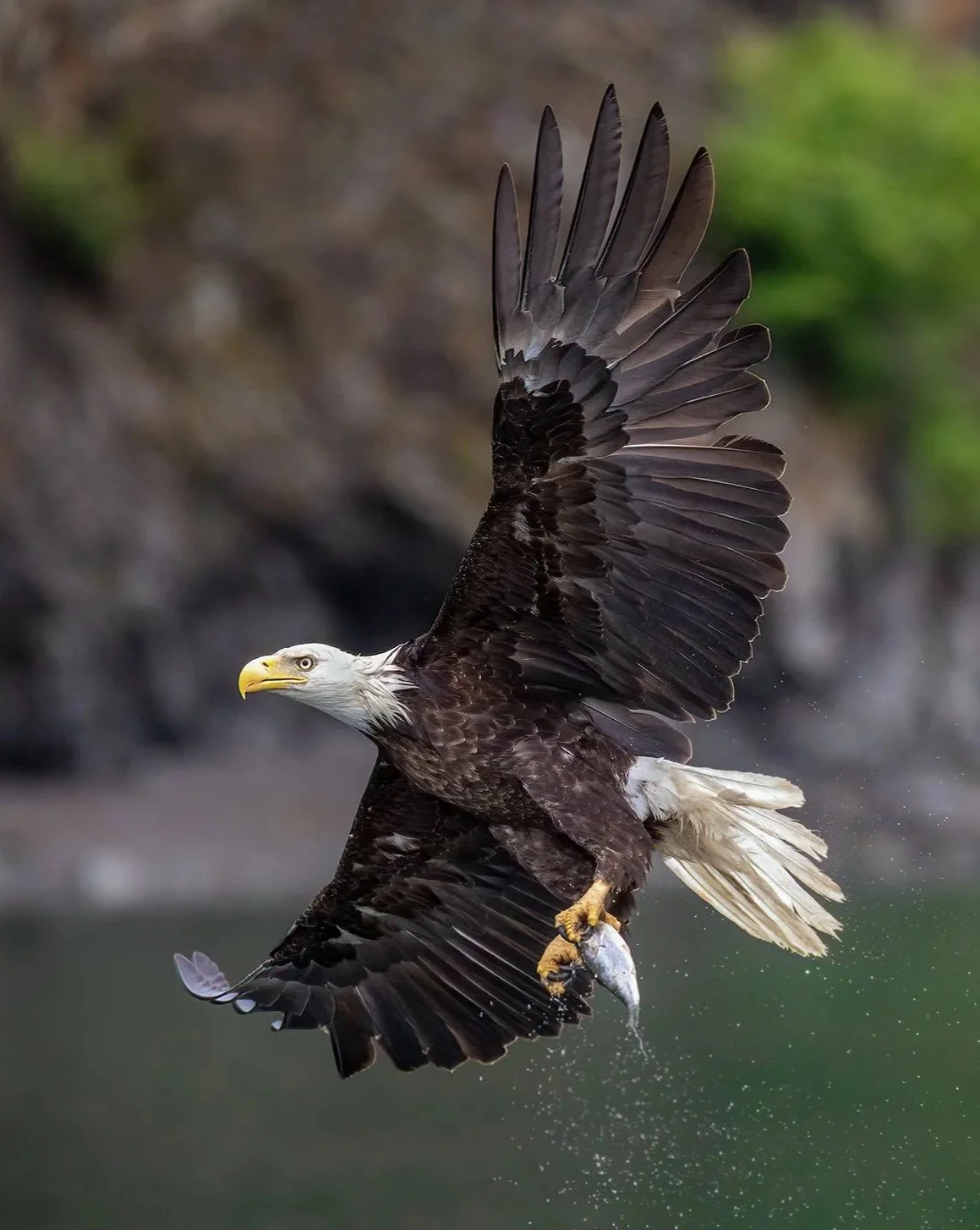
A bald eagle lifts off with a salmon along the Kenai, part of the seasonal pulse that supports birds across Alaska.

A black bear carries salmon remains away from the river, helping move marine nutrients into the surrounding forest.

A brown bear intercepts a salmon mid-current, a moment that shows how tightly bear survival is tied to the runs.
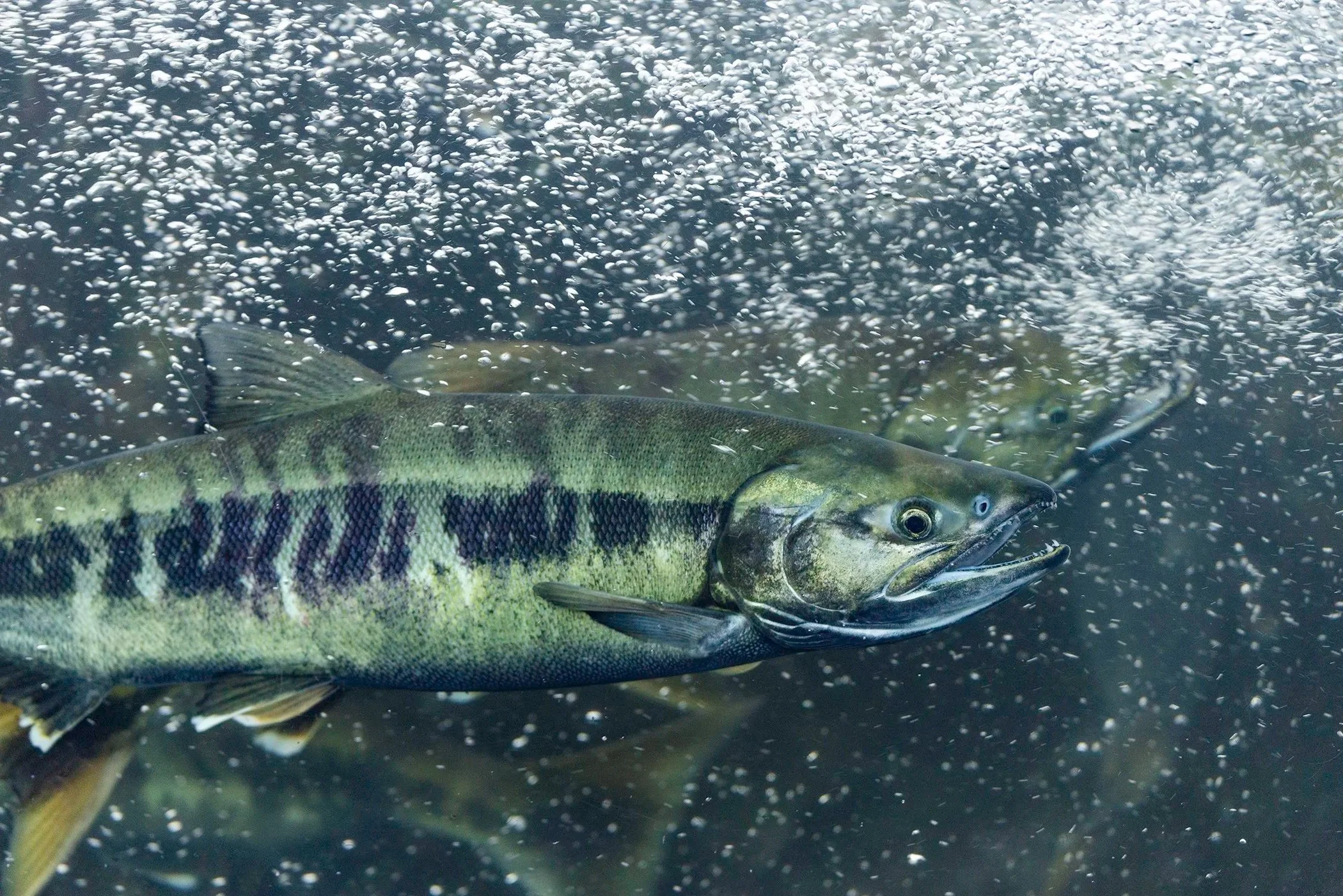
A close-up of chum salmon reveals their greenish tones and dark vertical markings, traits that become more pronounced as they enter freshwater.
Where This Happens
Salmon-driven ecosystems are found across Alaska:
Bristol Bay: Home to the largest sockeye salmon runs on Earth.
Katmai and Lake Clark National Parks: Famous for bear concentrations tied to salmon.
Kenai Peninsula: Where salmon connect glaciers, rivers, forests, and coastal ecosystems.
Southeast Alaska and the Inside Passage: A network of rainforest streams, islands, and coastal shorelines where salmon runs support dense populations of bears and bald eagles. Areas such as Anan Creek near Wrangell, Pack Creek on Admiralty Island, the islands of Chichagof and Baranof, and streams around Juneau all show how salmon concentrate wildlife along river mouths and beaches.
More Than Just a Fish
Salmon connect the ocean, river, forest, wildlife, and people in a way few species can. They begin life in freshwater, grow in the open ocean, and return inland carrying marine nutrients deep into the landscape. In the process, they feed animals, shape habitats, support communities, and sustain ecosystems far beyond the rivers they swim in.
Protecting salmon means protecting bears, birds, forests, and the people who depend on healthy runs year after year. When salmon thrive, Alaska’s ecosystems and communities thrive alongside them.
Capturing the Salmon Season
For nature photographers, salmon season is when Alaska feels most alive. Bears line the rivers, cubs learn to fish, eagles gather overhead, and the connection between ocean, land, and wildlife plays out in real time. Our Alaska tours are timed around these runs, putting photographers in the right places at the right moments to capture both the action and the story behind it. It is not just about strong images, but about understanding the role salmon play in shaping everything you are photographing.
On our Alaska photo tours, salmon season is when these interactions come together most clearly. During our River of Bears Alaska Photo Tour, we spend time along a wild river during peak salmon runs, photographing brown bears fishing, mothers with cubs, and the full range of behaviors tied to this critical food source. On our Alaska Inside Passage Private Yacht Tour, salmon runs draw bears and bald eagles to shorelines and stream mouths, creating opportunities to photograph wildlife feeding on salmon against backdrops of fjords, rainforests, and coastal waters. Both tours are timed around the rhythms of salmon, offering photographers a front-row view of how these runs shape life across Alaska.
Two Paths to Wild Beauty.
We are one team of photography experts offering tours through two dedicated websites, ensuring you get the most specialized experience possible.
Explore Alaska Adventures: Your source for exclusive Alaskan photo tours, from private yachts to intimate bear encounters.
Slonina Nature Photography: Your guide to award-winning workshops in North America's most iconic parks, like Yellowstone and the Canadian Rockies.
One team, one mission, two websites to begin your next adventure.