Bald Eagle Fun Facts and Photography
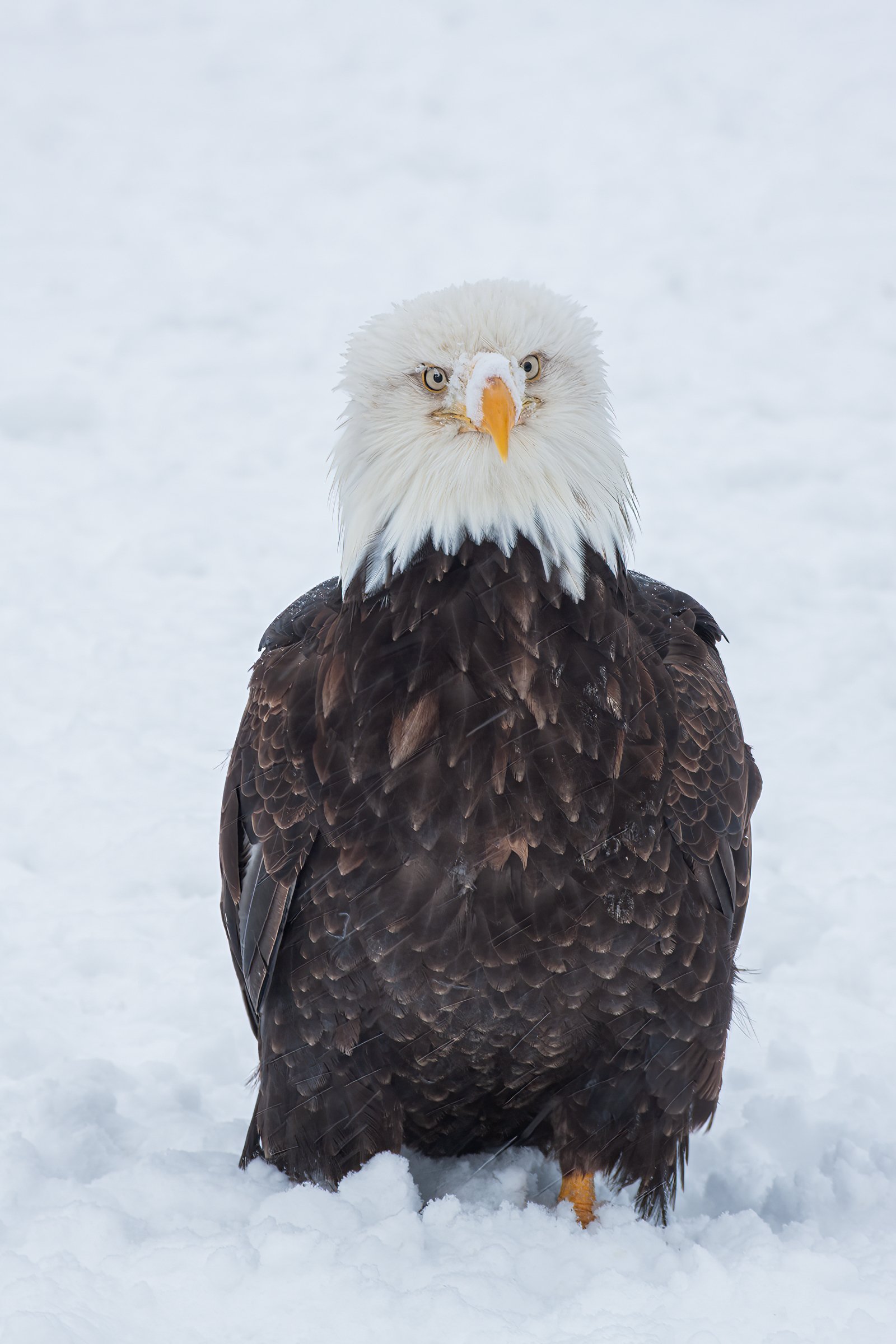
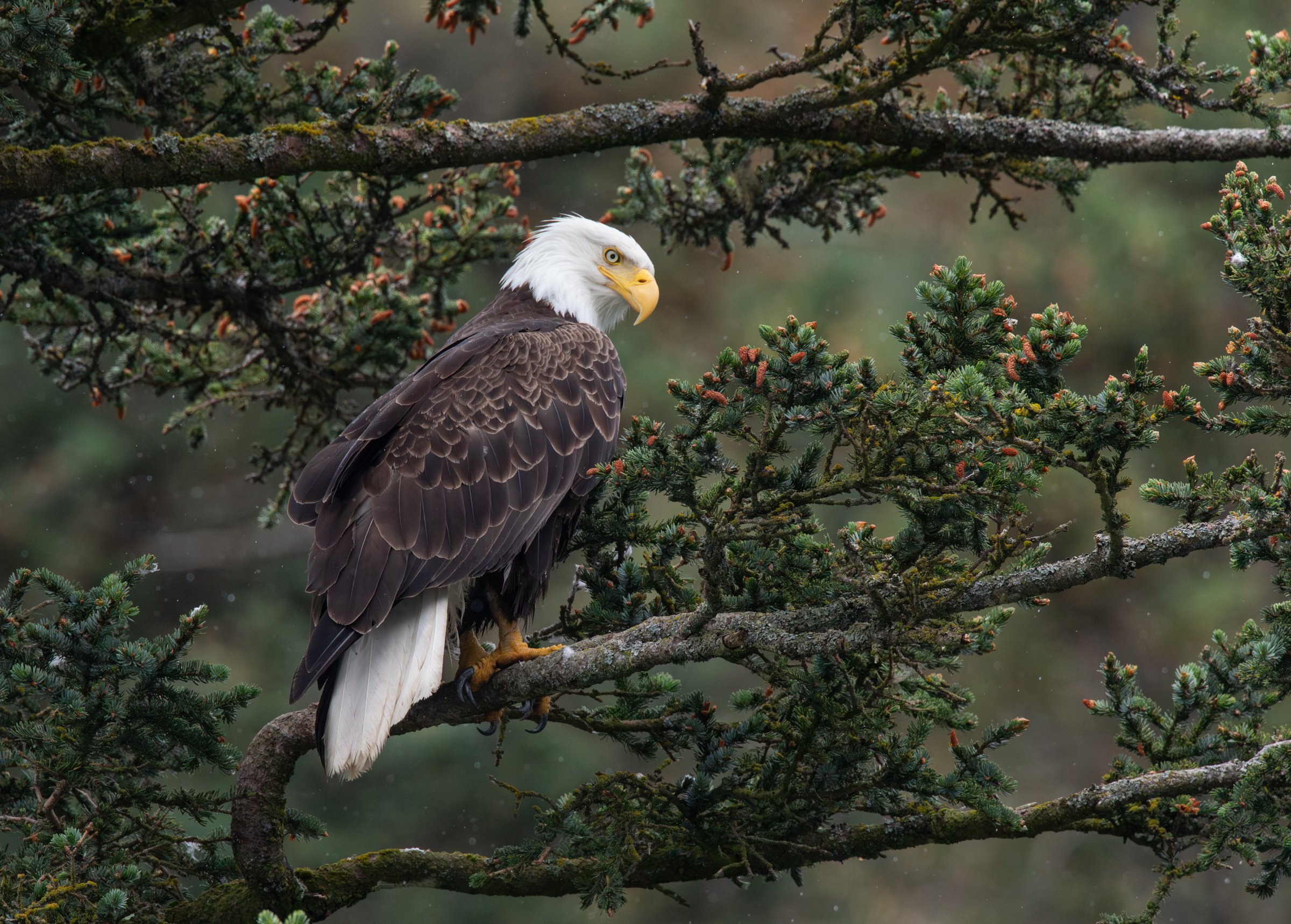
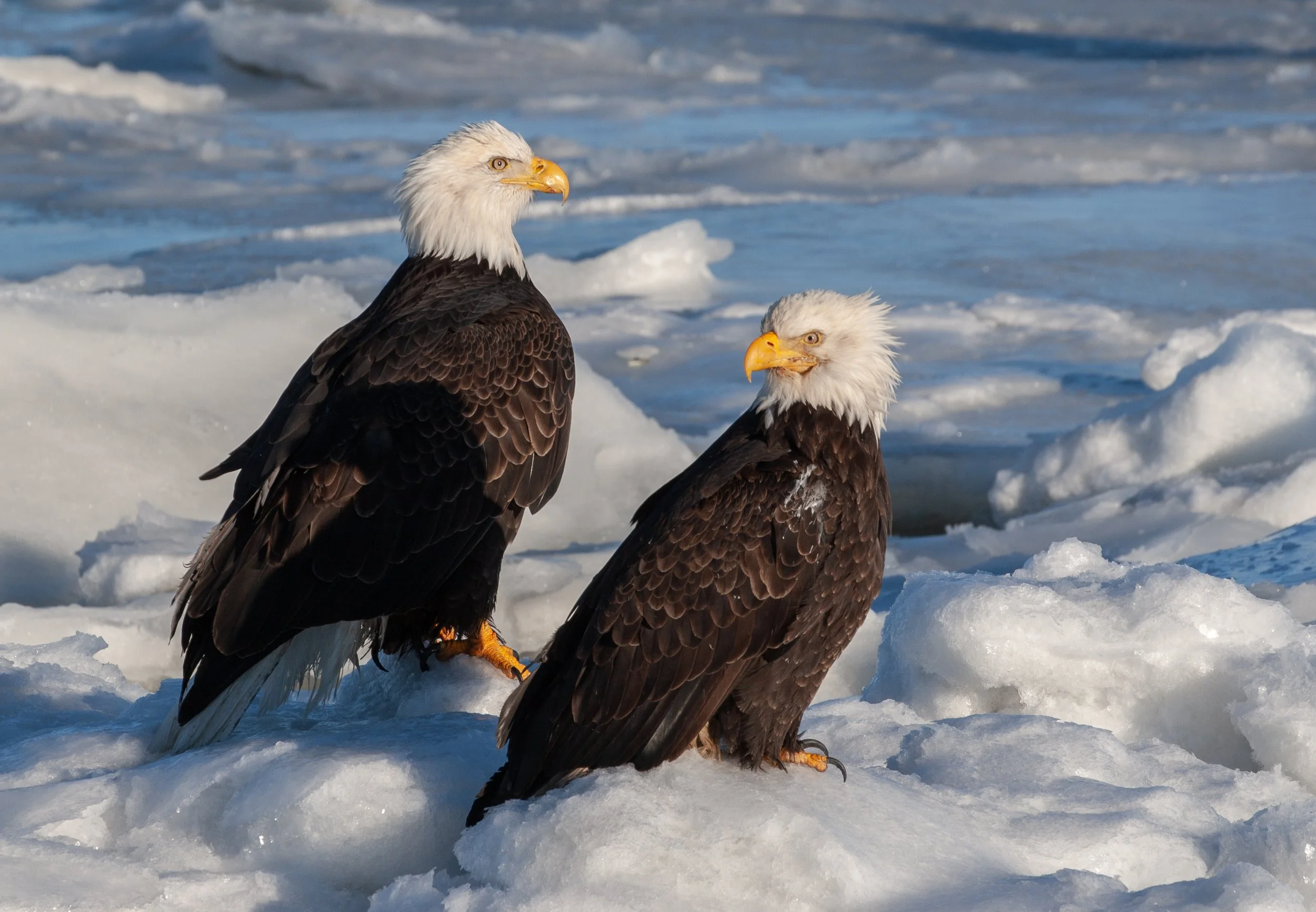
The bald eagle (Haliaeetus leucocephalus) is one of North America’s most recognizable birds, known for its powerful build, piercing yellow eyes, and striking white head and tail. Seeing one perched in a cottonwood along a river or soaring overhead is always memorable. These raptors captivate nature photographers and remain one of the favorite subjects of our photo tours and workshops.
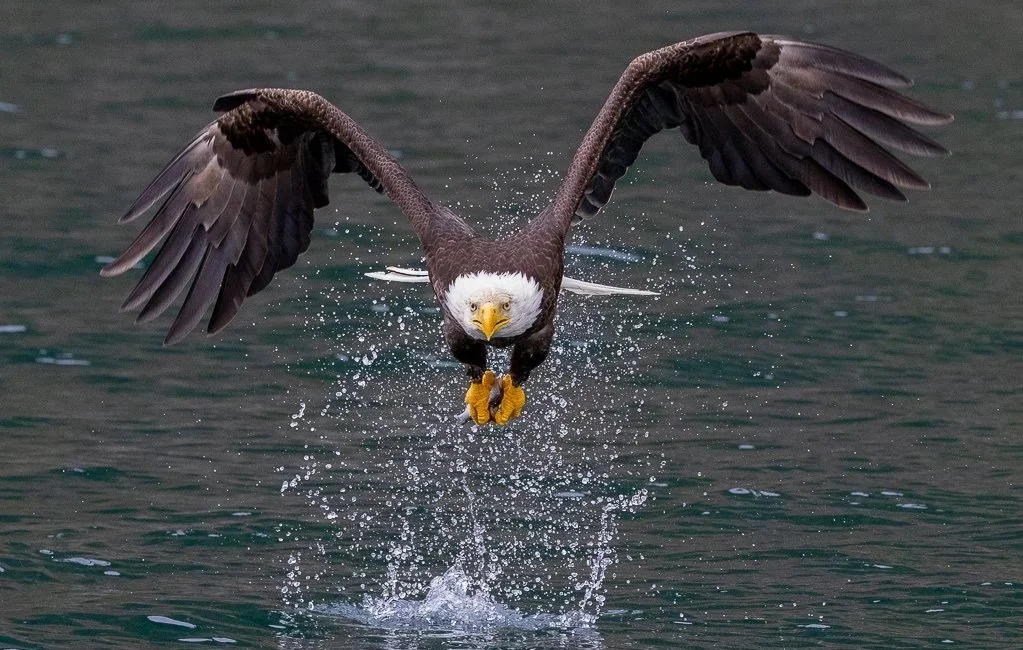
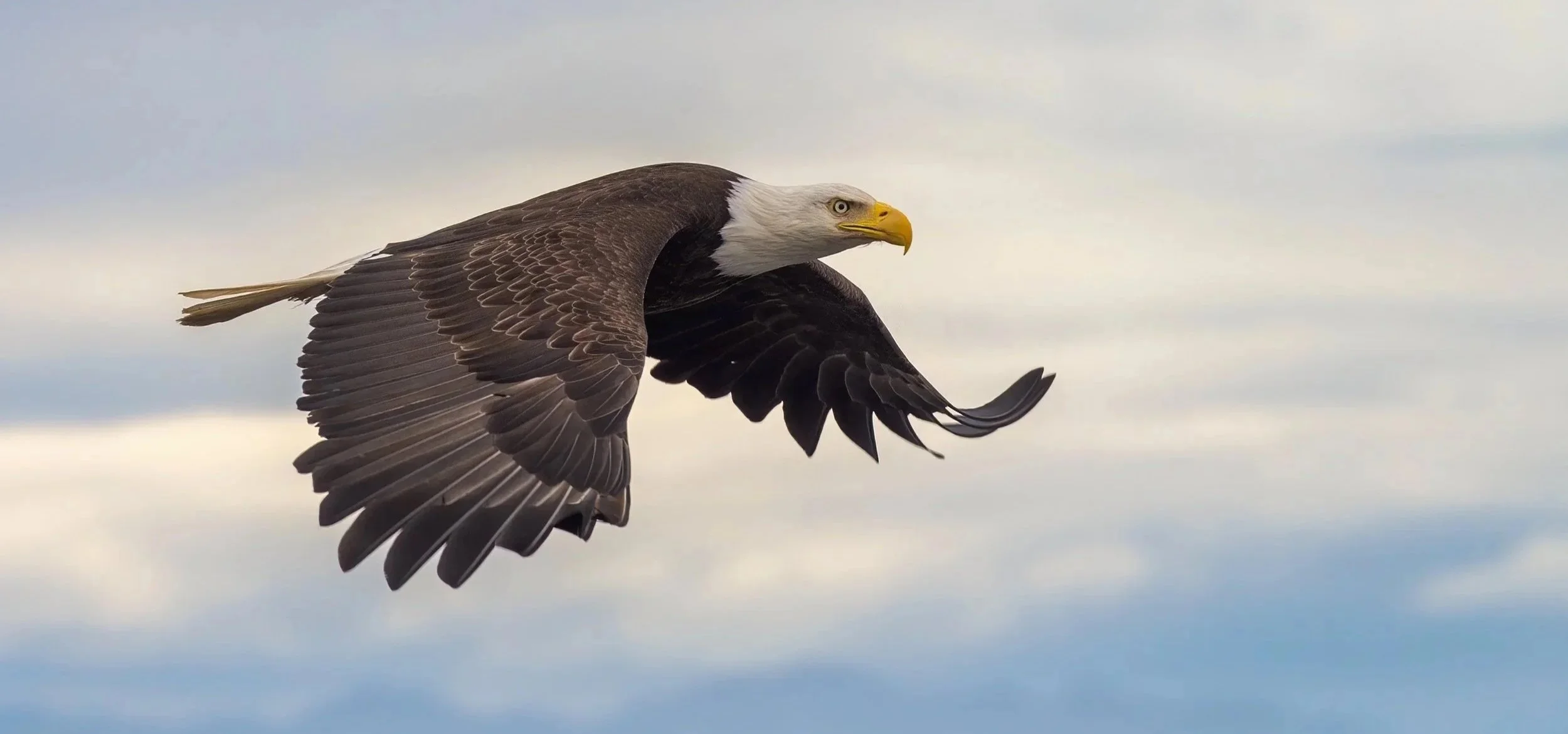
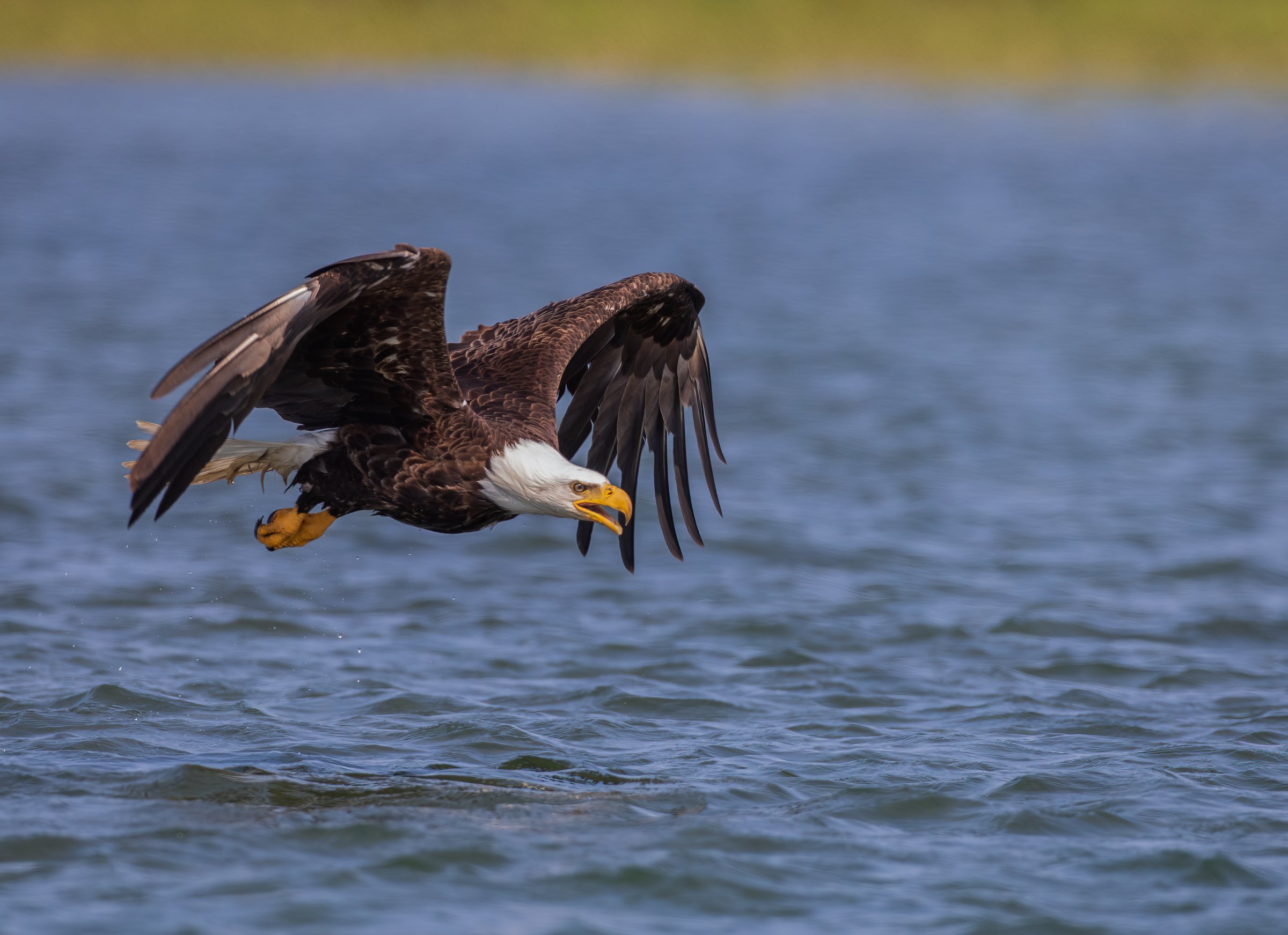
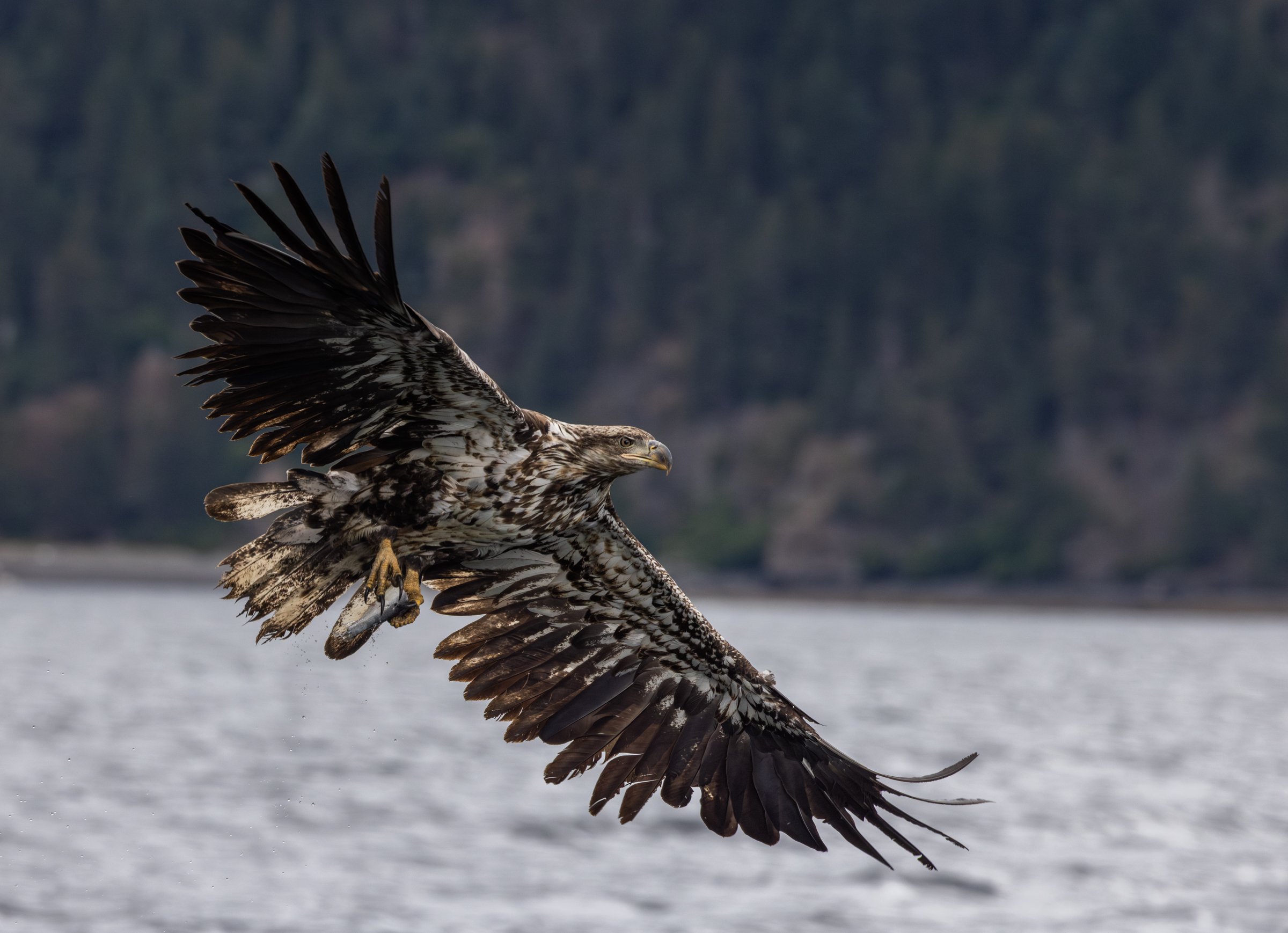
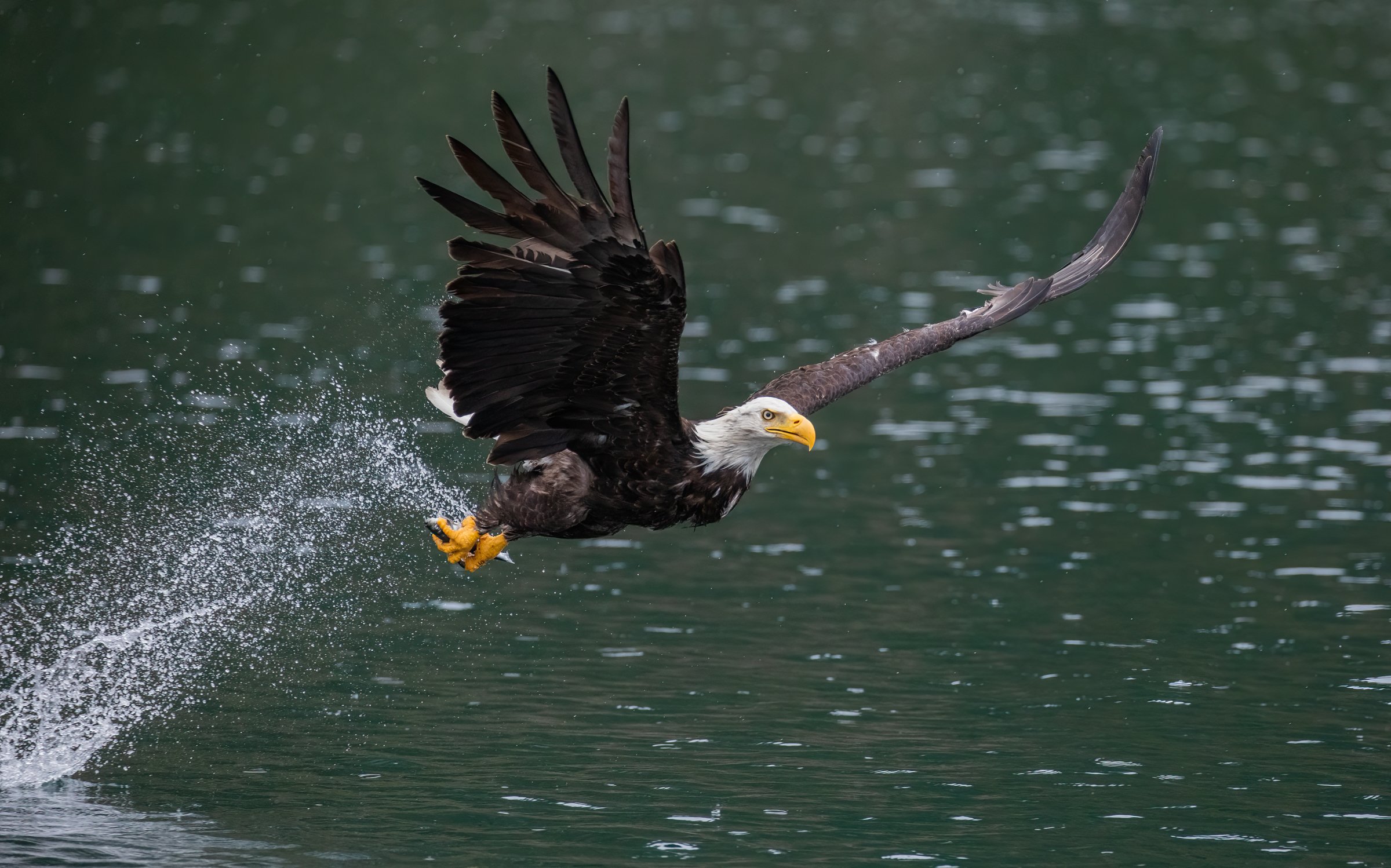
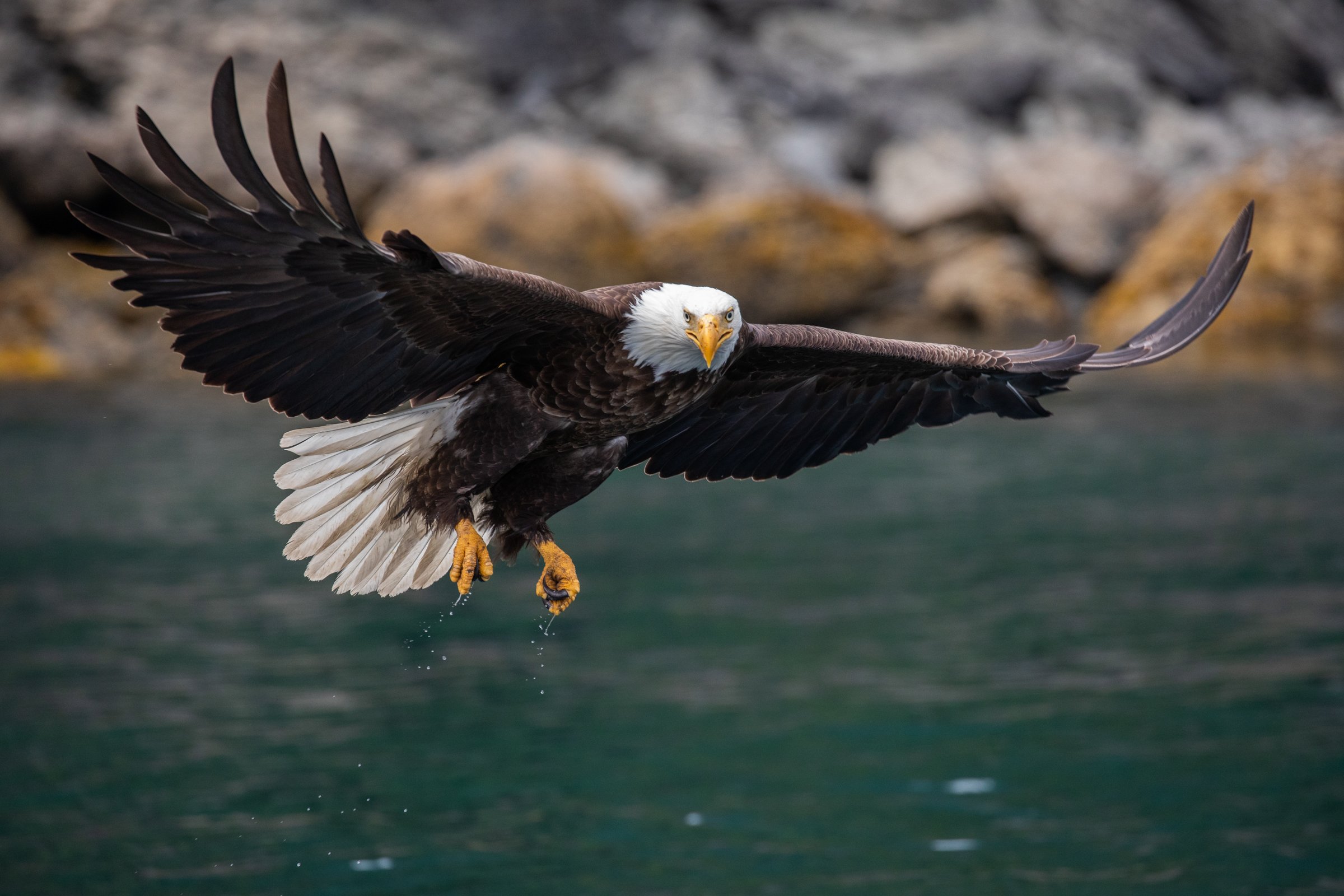
Seconds after the strike, a bald eagle flies straight toward us with dinner in its talons.
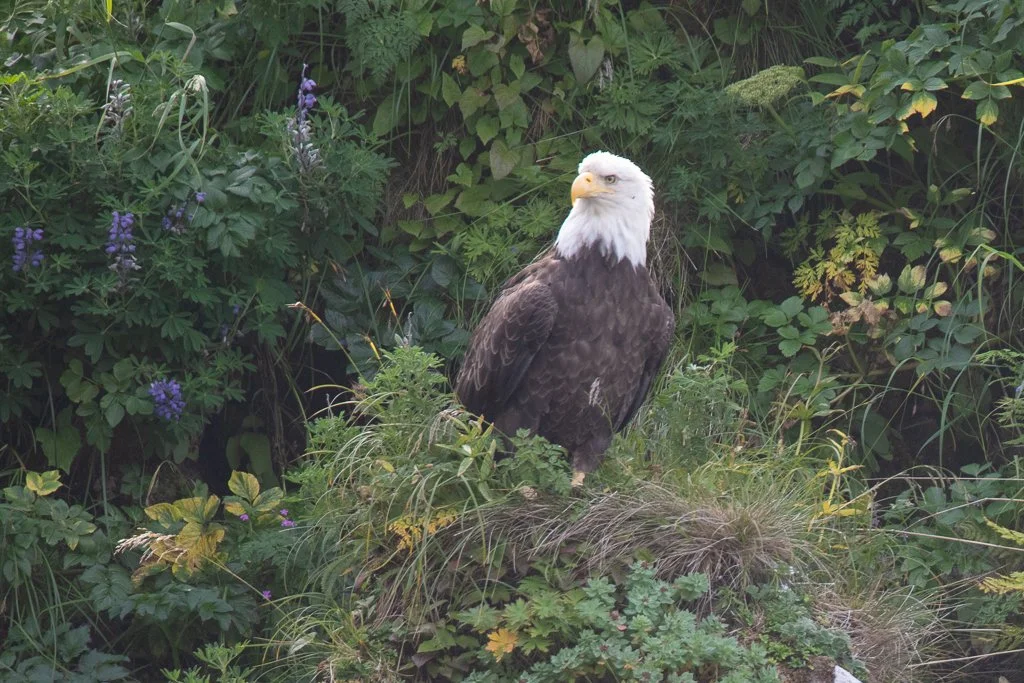
Even a powerful predator spends plenty of time doing quiet, careful work, like gathering twigs for the nest.
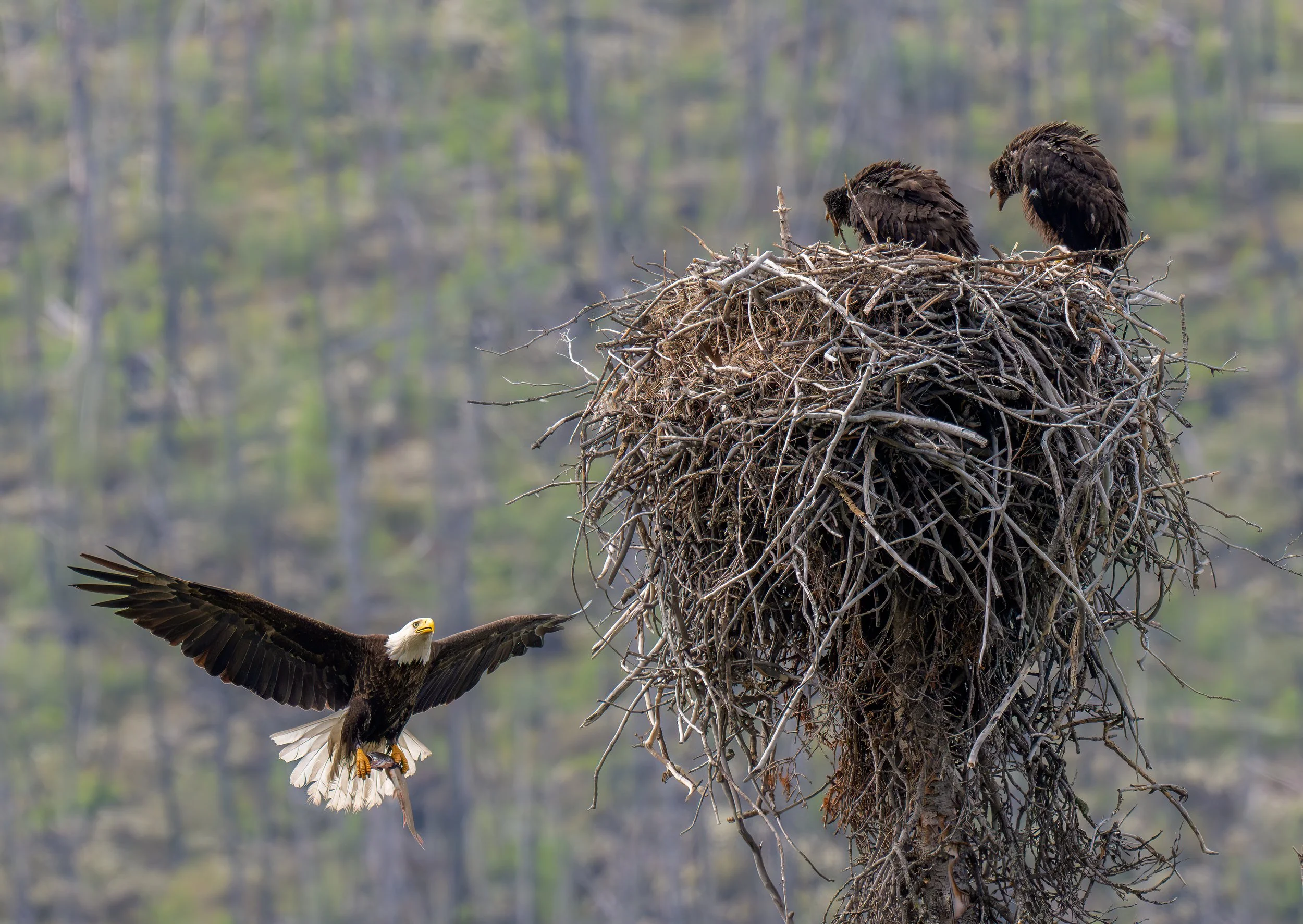
Bringing a fish back to the nest in the Canadian Rockies.
Nine Fun Facts About Bald Eagles
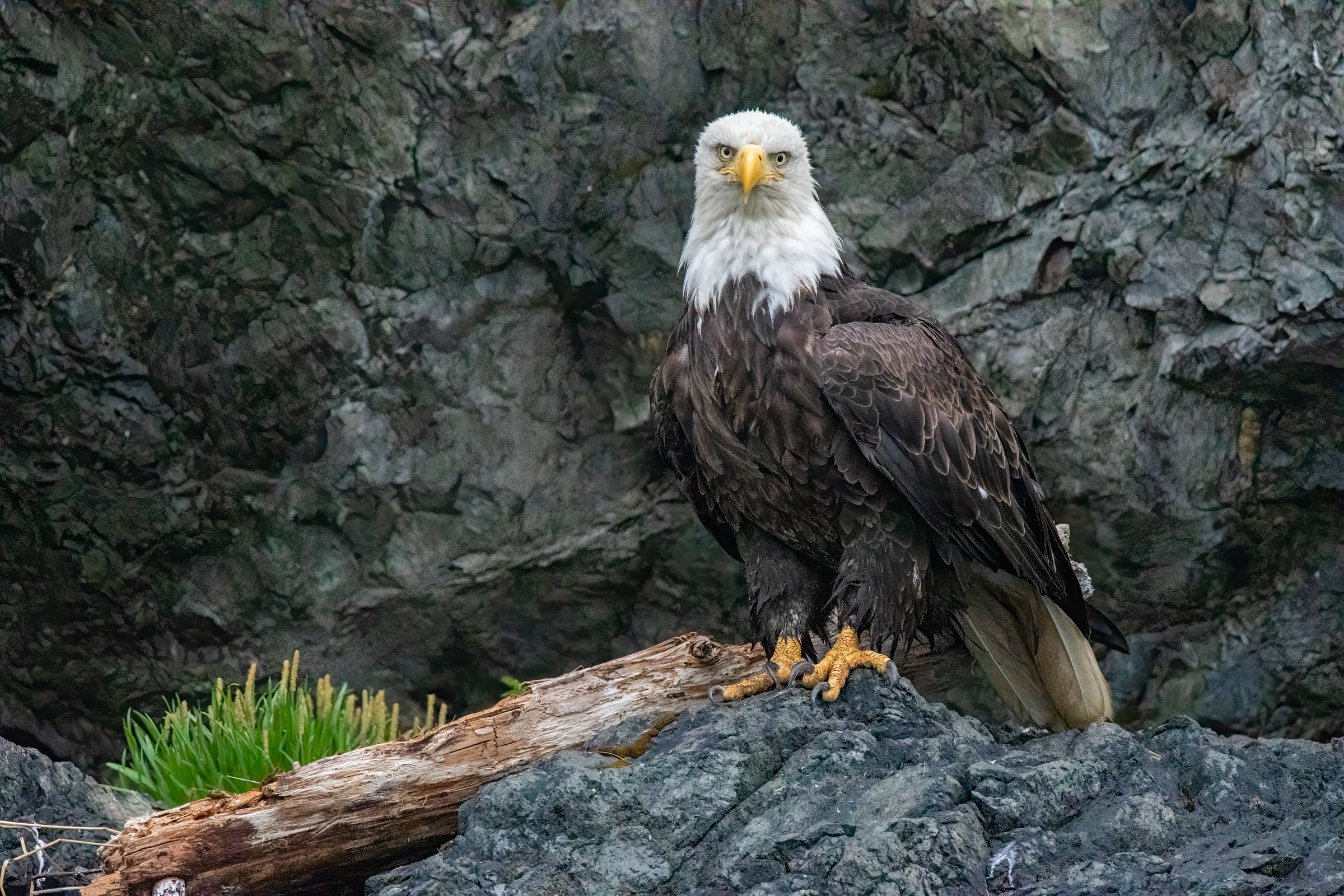
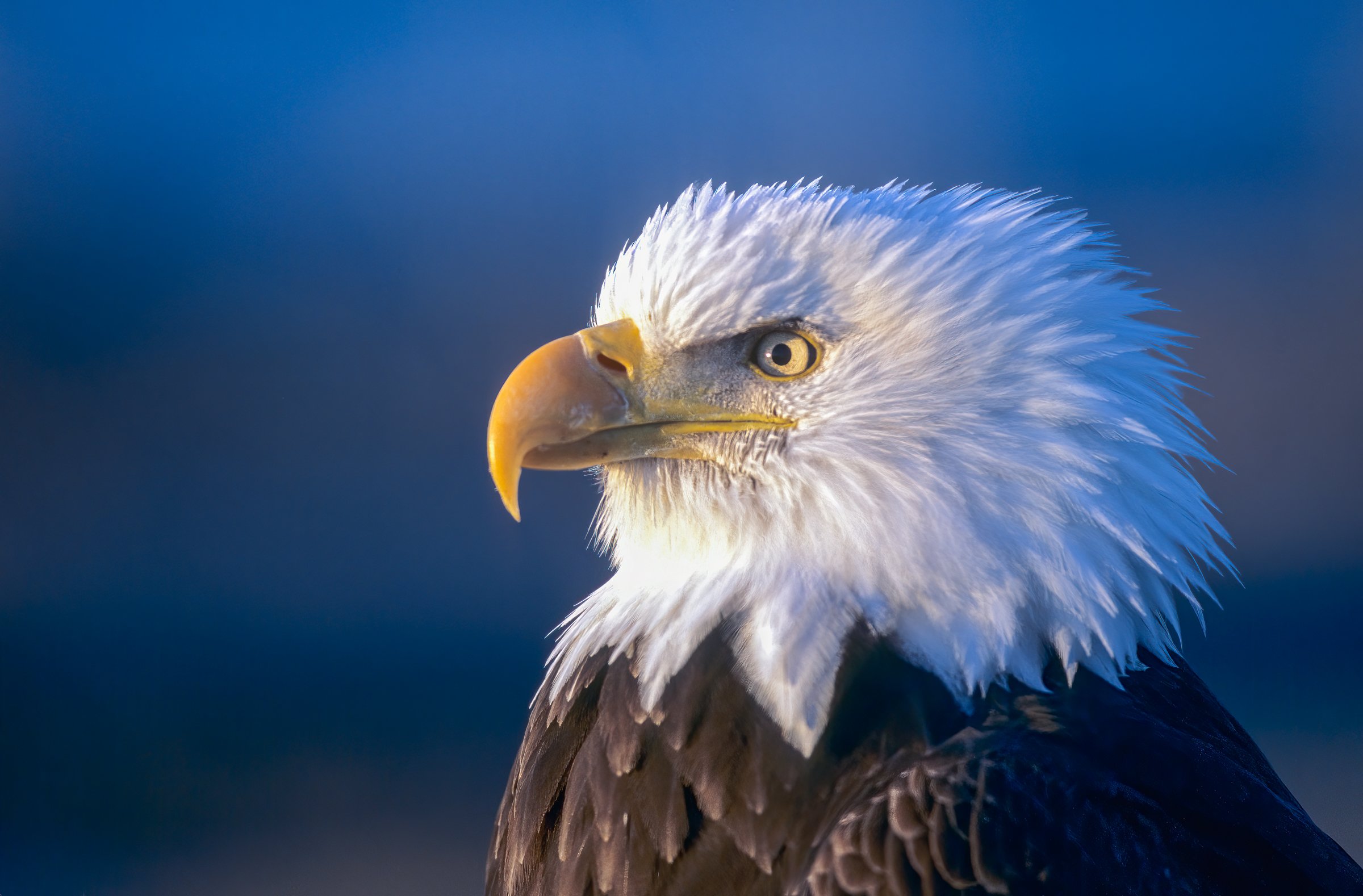
They are not actually bald. The name comes from an Old English word meaning “white-headed,” referring to the adult’s bright white head and tail.
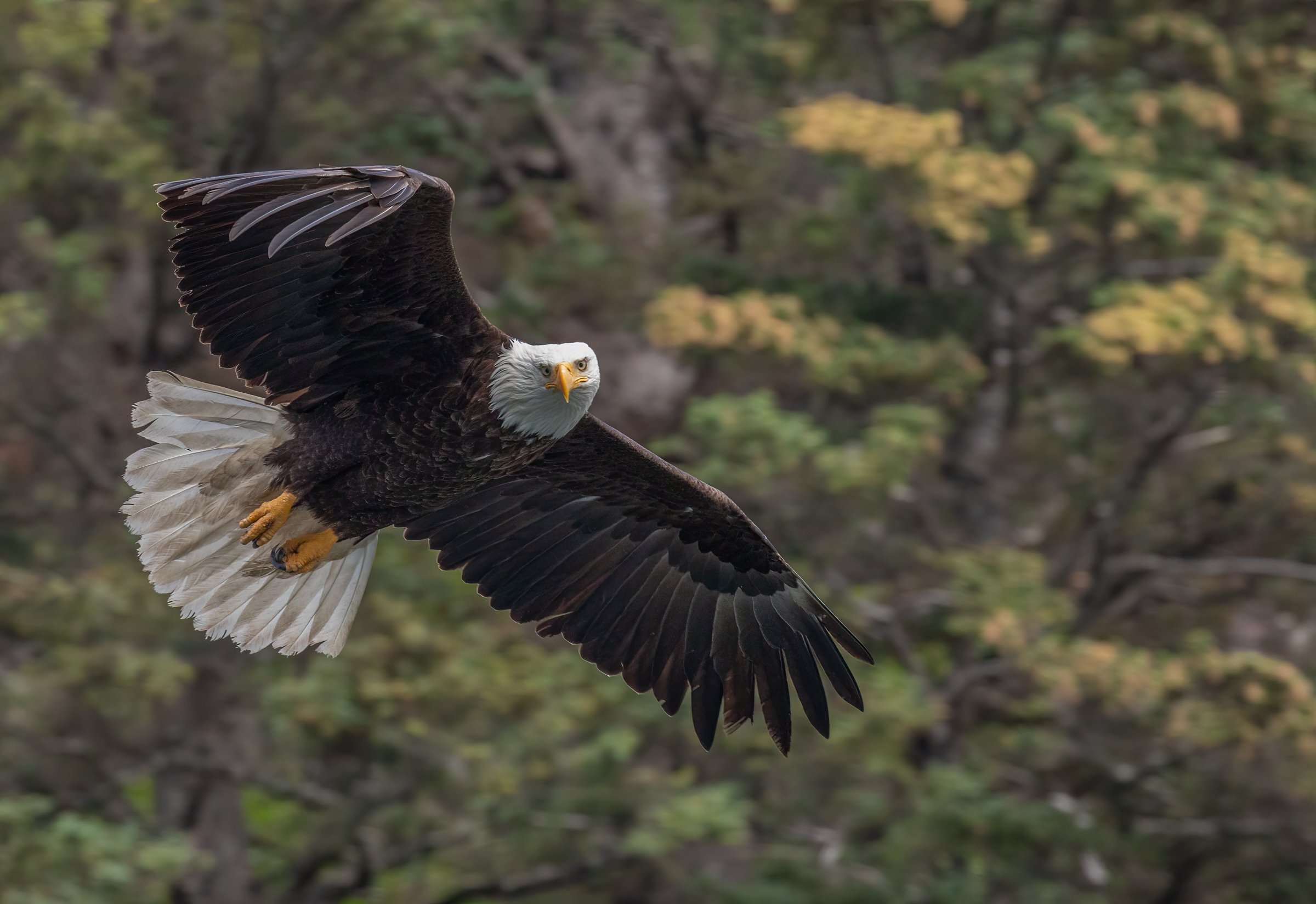
Their wingspan can reach over seven feet. Bald eagles are among the largest raptors in North America, with broad wings built for soaring long distances.
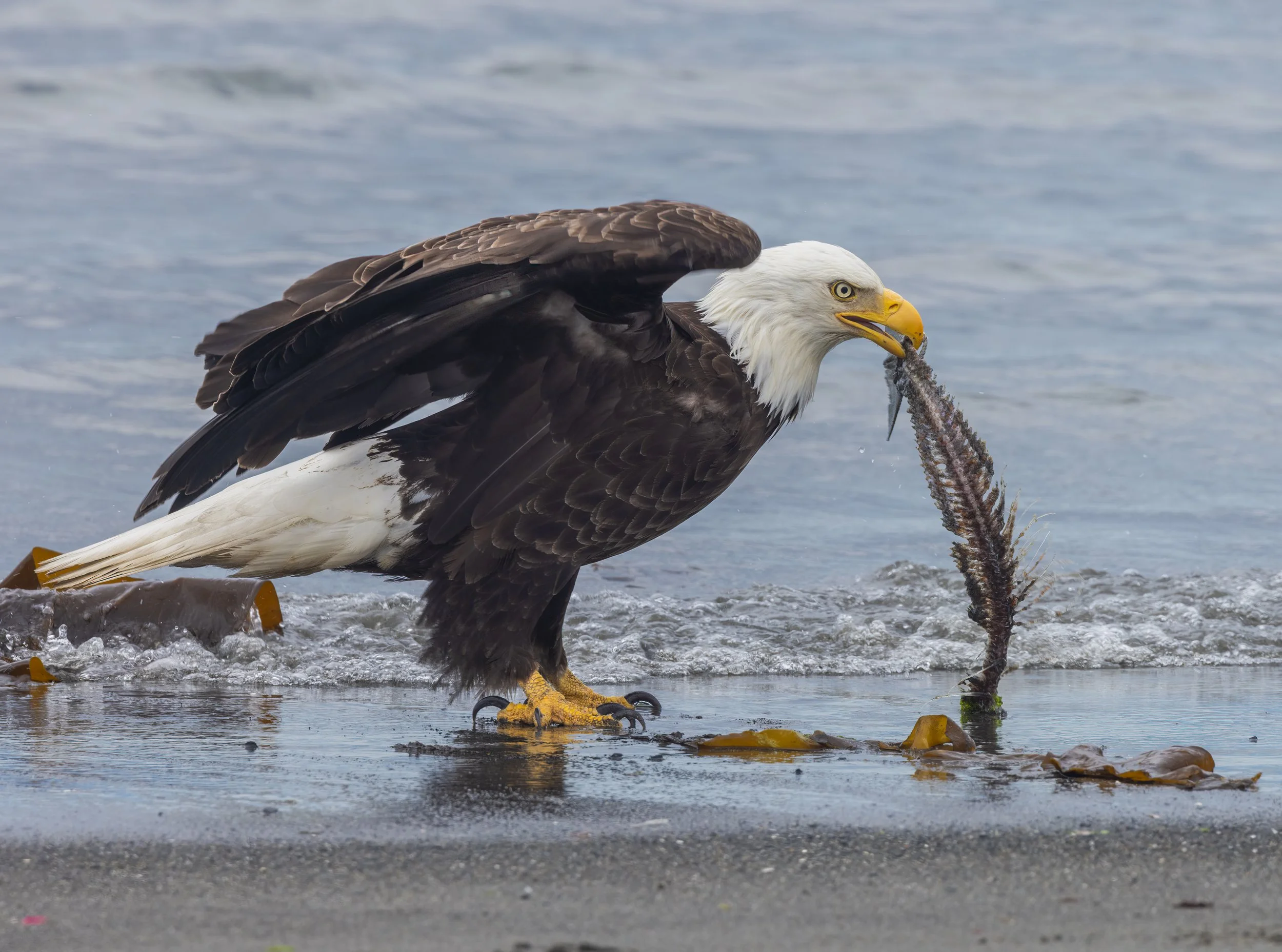
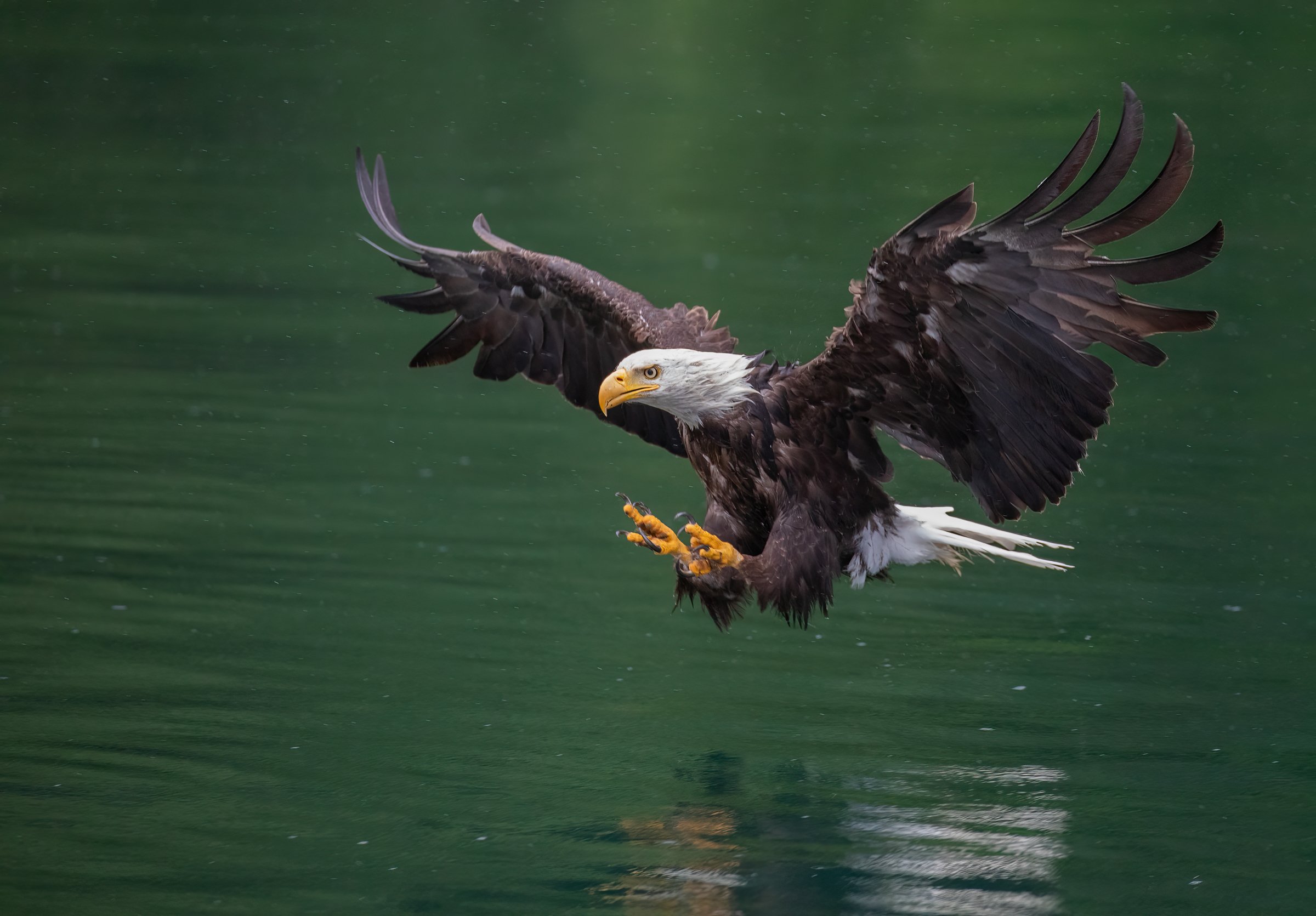
They are exceptional fish hunters. Fish make up most of their diet, and they often snatch prey directly from the water with their powerful talons.
They can spot prey from incredible distances. A bald eagle’s eyesight is estimated to be four to five times sharper than a human’s.
They often reuse the same nest for years. Some nests grow to massive sizes over time, weighing hundreds or even thousands of pounds.
Young bald eagles look completely different from adults. Juveniles are mostly dark brown and take four to five years to develop the iconic white head and tail.
They are strong fliers but prefer efficiency. Bald eagles often soar on thermals rather than flapping constantly, conserving energy.
They will steal food when given the chance. Bald eagles are known to pirate fish from ospreys and other birds, especially when food is plentiful.
Their recovery is one of the great conservation success stories. Once on the brink of extinction in the lower 48 states, bald eagles have rebounded dramatically thanks to conservation efforts.
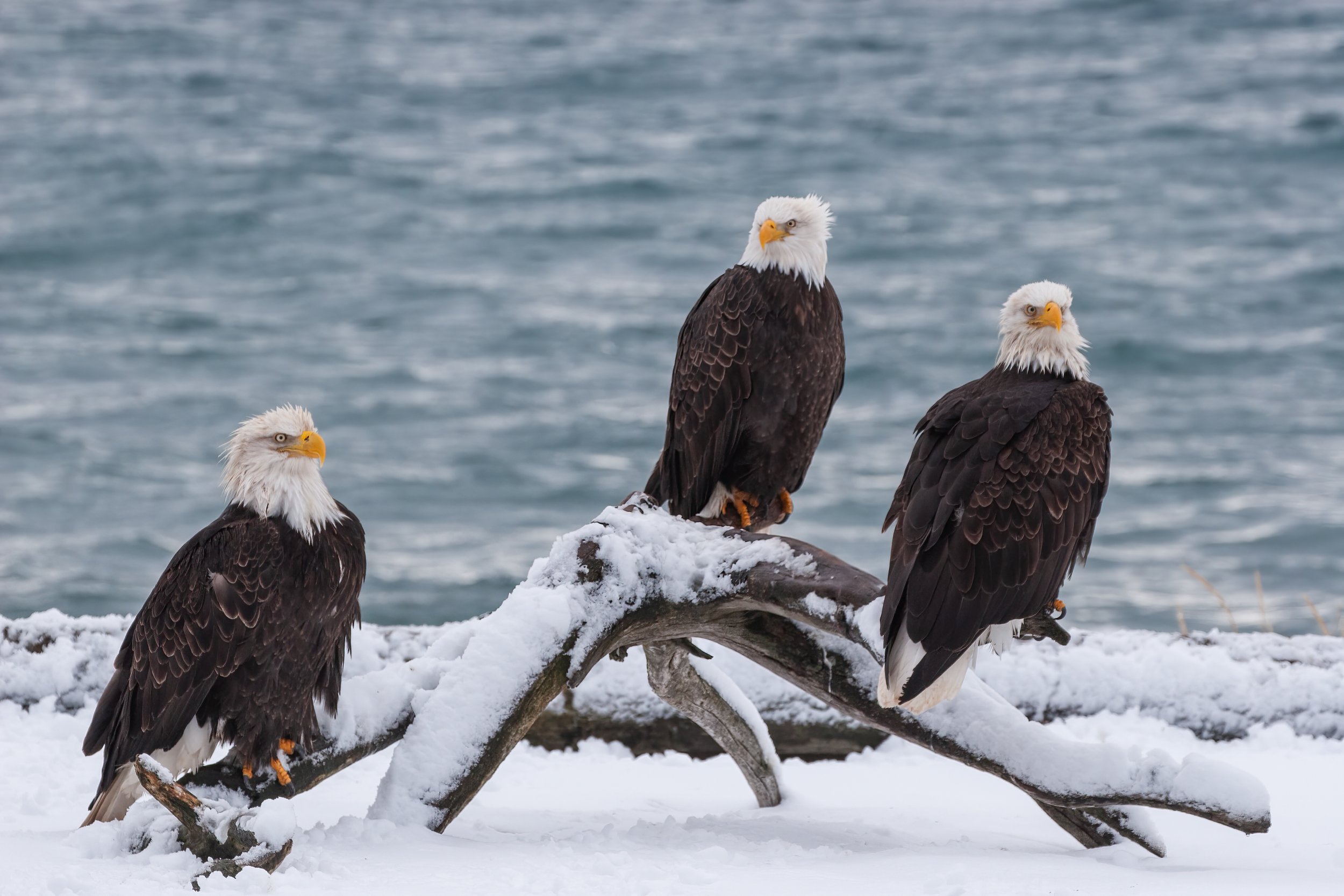
Perched side by side on a snowy branch, these three ride out the quiet cold of an Alaska winter.
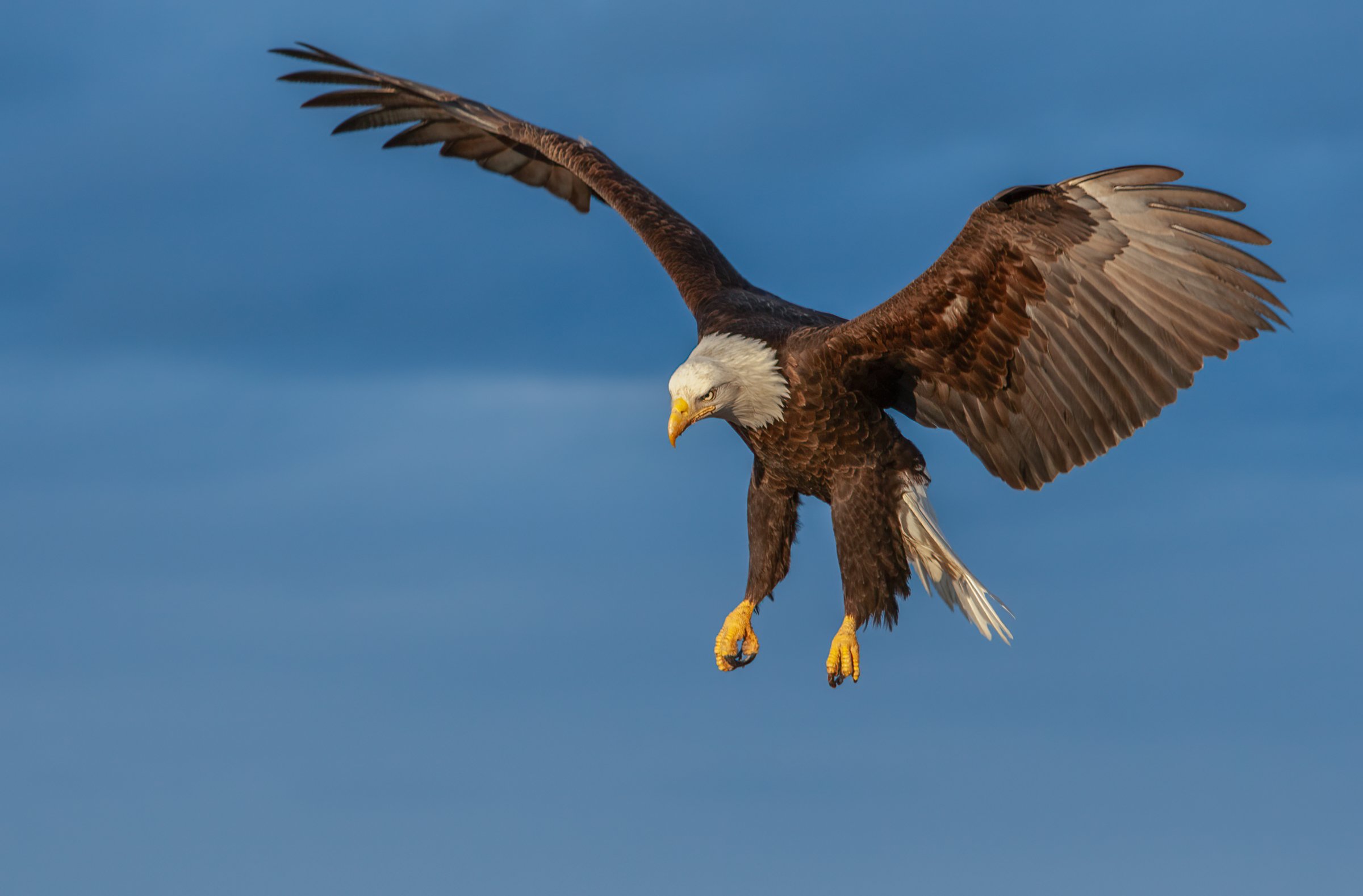
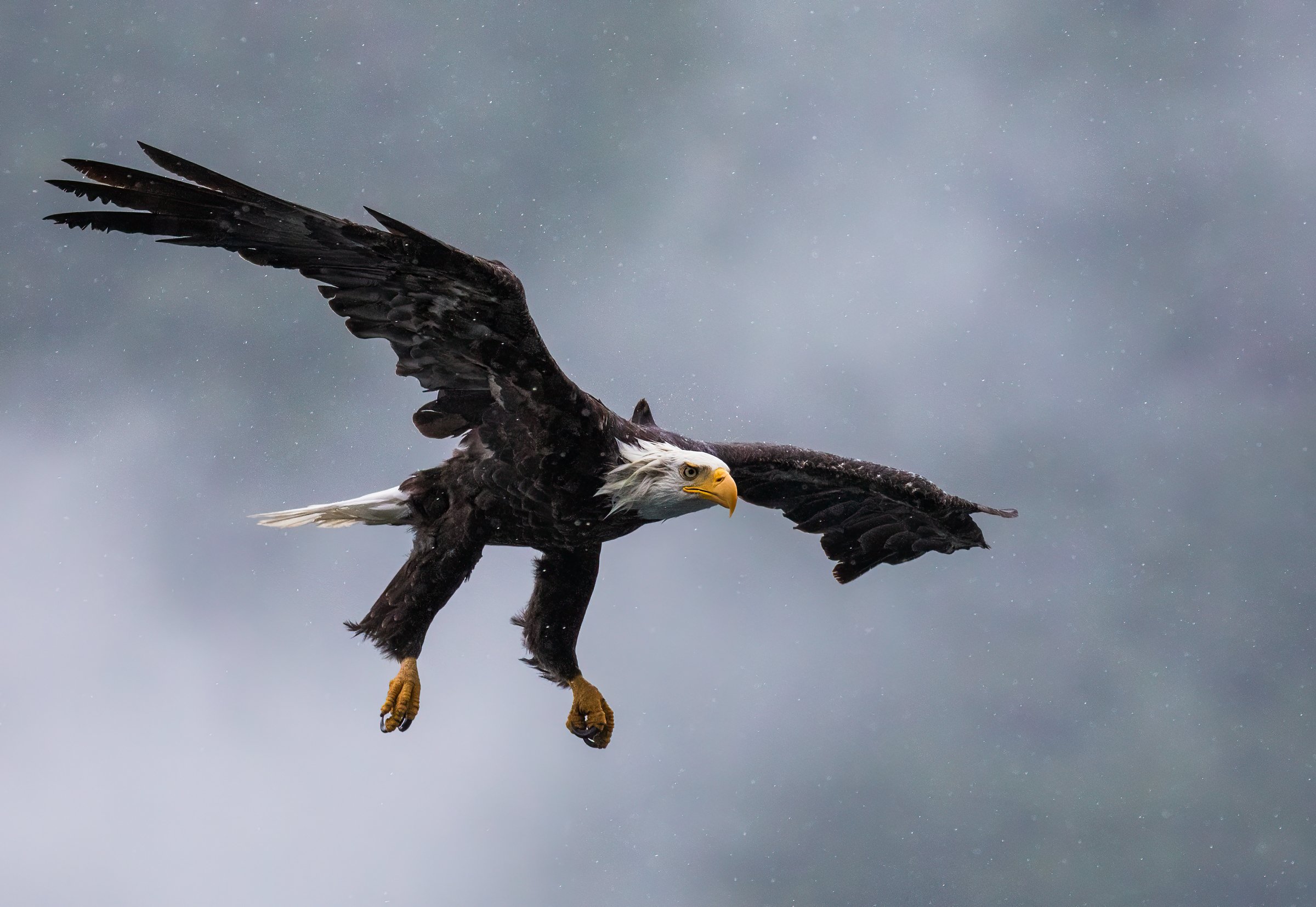
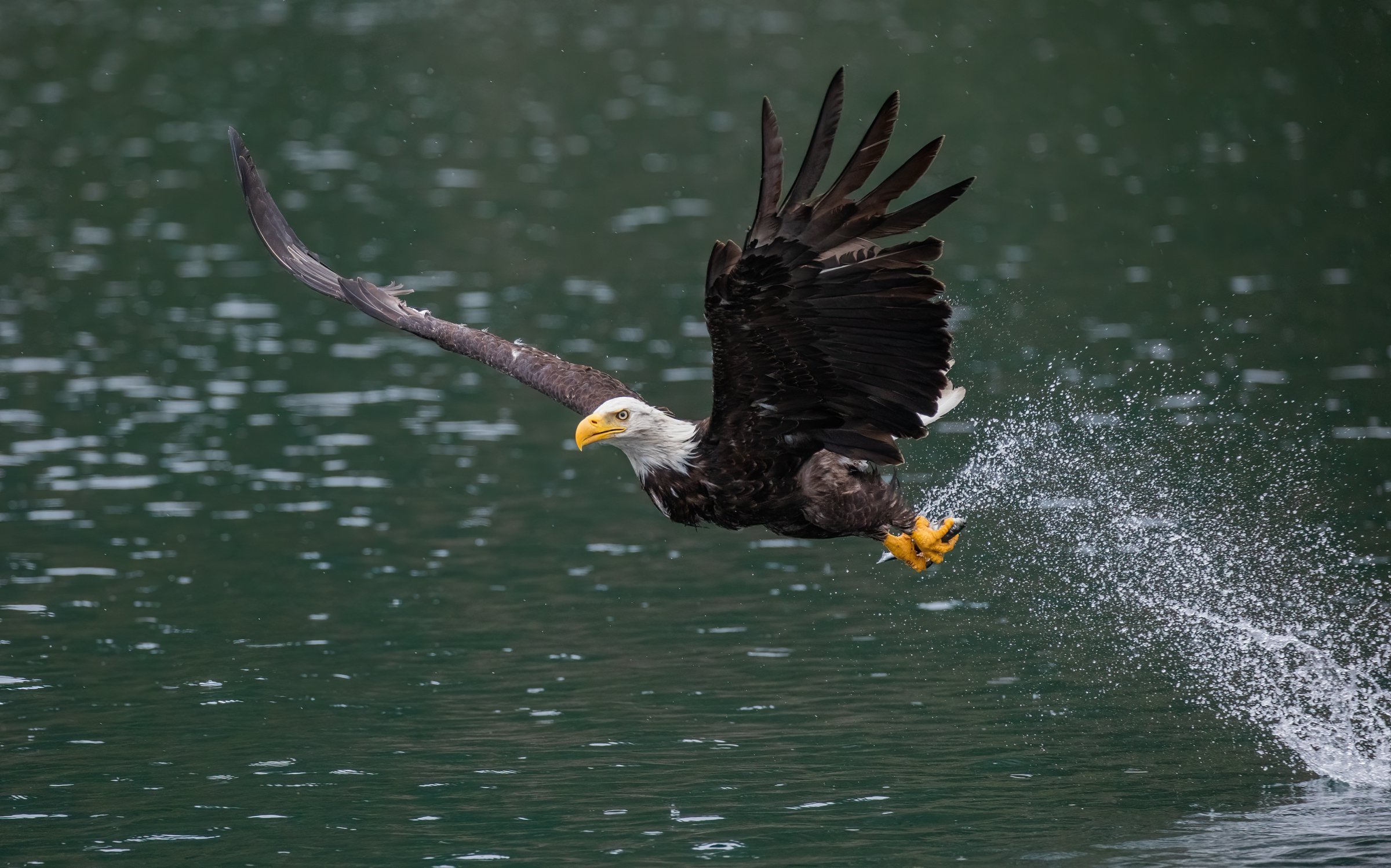
Dropping toward the water on the Kenai Peninsula, moments before grabbing a fish.
Where We See Bald Eagles on our Tours
We photograph bald eagles across North America, with especially strong opportunities in Alaska. Along coastal beaches, river mouths, and salmon-rich waterways, eagles are often seen perched near the water or flying low overhead, making them excellent subjects for flight and behavior photography.
In the Lower 48 and Canada, we regularly see bald eagles in places such as Yellowstone, Grand Teton, the Canadian Rockies, the Pacific Northwest, New England, and Florida, as well as along major rivers, lakes, and wetlands.
Bald eagles are a consistent presence on our Alaska photo tours. They are commonly seen along fishing rivers during our River of Bears Alaska Photo Tour, throughout the coastline on our Alaska Inside Passage Private Yacht Tour, and across regions such as Homer, Seward, Kenai Fjords, and coastal routes toward Lake Clark during our Alaska instructional photo tours, often from small boats that allow access to wildlife-rich shorelines.
Tips for Spotting and Photographing Bald Eagles
Best times: Early morning and late afternoon, when eagles are most active, and light is softer. Winter is especially productive in many regions as eagles gather near open water.
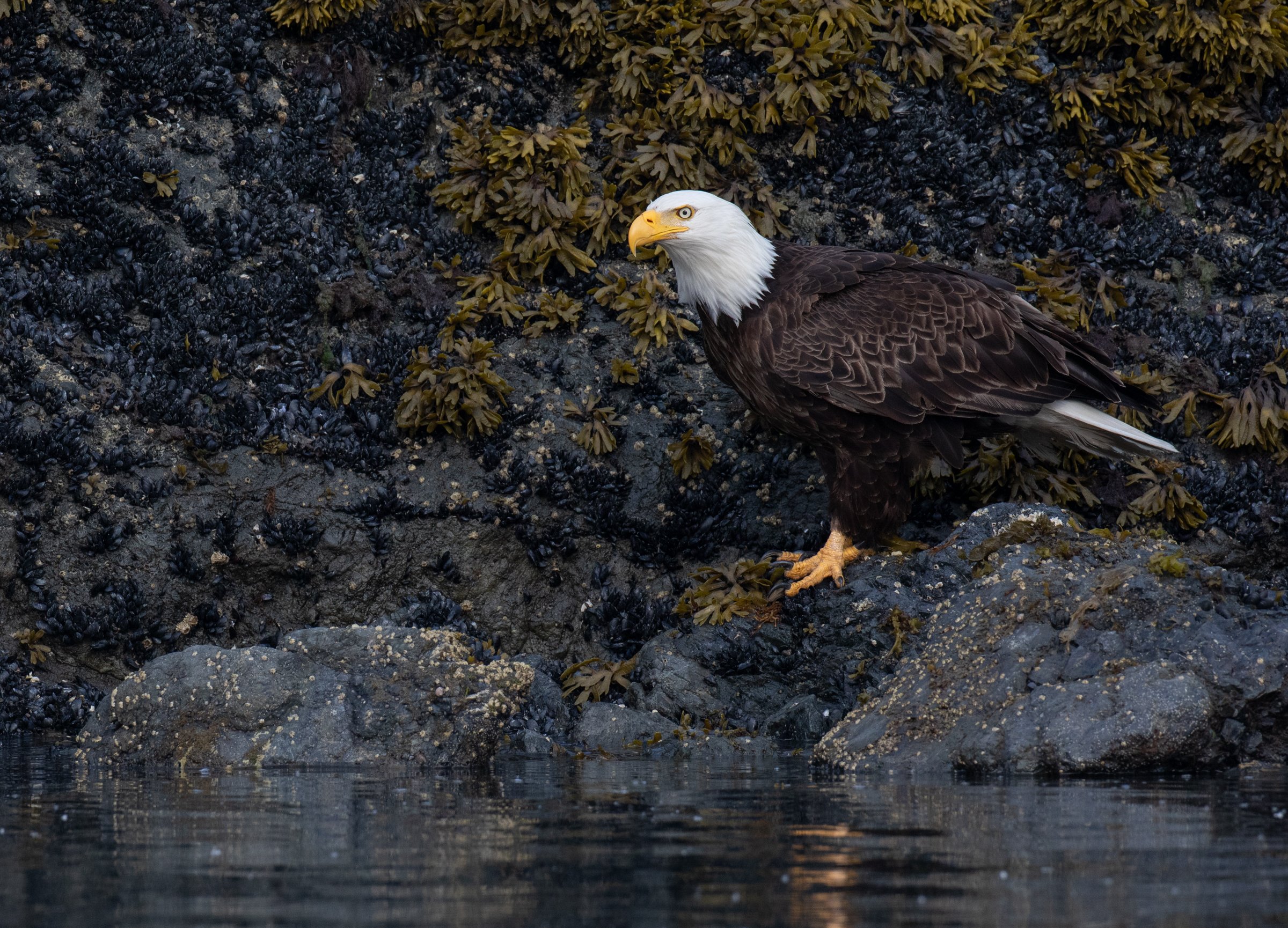
Where to look: Rivers, lakes, coastlines, and areas with fish or waterfowl. Watch for tall trees near water where eagles like to perch.
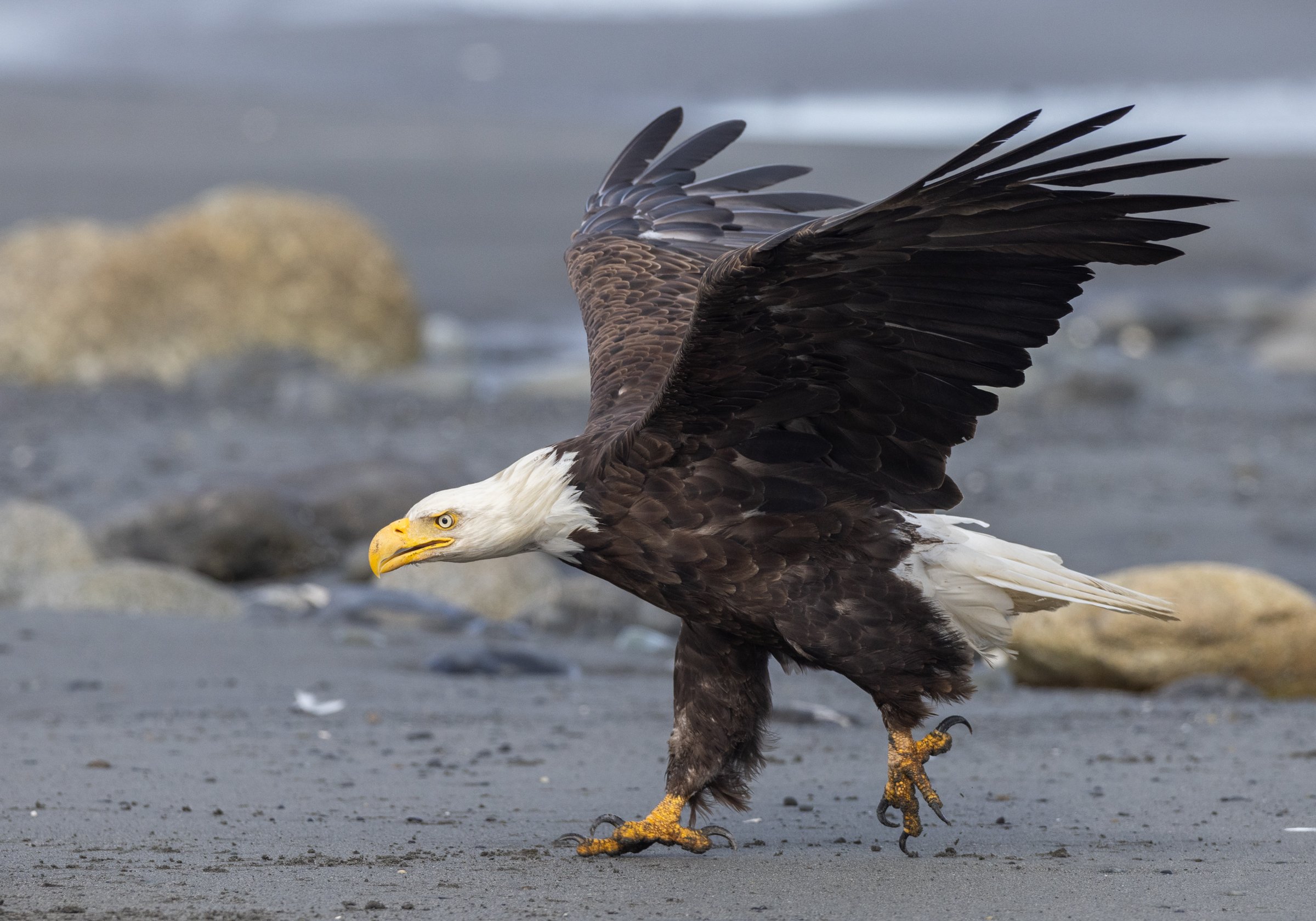
Photography tip: Use a long lens and be patient. Eagles often return to the same perch repeatedly, giving you time to refine composition and wait for wing stretches or takeoffs.
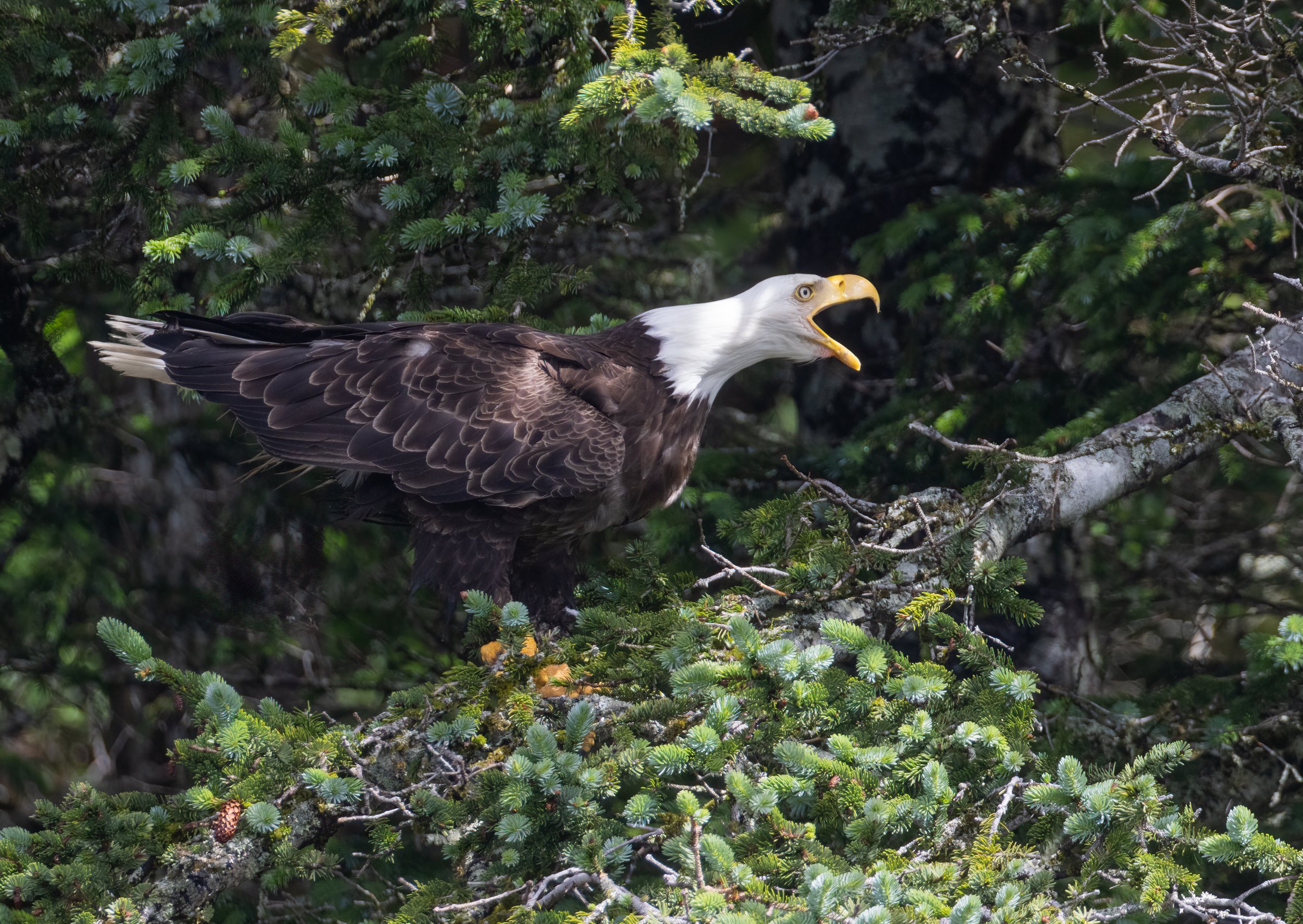
Composition: Include habitat such as rivers, snow-covered banks, or coastal scenery to add context. Eagles perched against clean backgrounds or framed by branches can create strong, graphic images.
Behavior cues: Watch for head movements and posture changes. Eagles will often defecate shortly before taking off, making it a helpful cue to be ready for flight.
Bald eagles are listed as Least Concern globally and are considered a major conservation success in North America. Once threatened by habitat loss, hunting, and pesticide use, their populations have rebounded due to legal protections and environmental regulations. Continued protection of waterways and nesting habitat remains important to their long-term success.