How to Photograph Small Details in Nature
You don’t always need a dedicated macro lens to capture strong close-up images in the field. Small subjects appear everywhere on a nature photography trip, from wildflowers and textures to reptiles, amphibians, and insects. Having a way to focus closer can turn an ordinary moment into one of your favorite images of the day.
There are several practical ways to add magnification to your kit, each with its own pros and cons.
Getting closer is the heart of macro and close‑up photography. The moment you push into that intimate range, the rules of distance, focus, and perspective change. Every lens has a minimum focusing distance. This is the closest point at which it can form a sharp image and that measurement is taken from the sensor plane, not the front of the lens.
By the time you account for the physical length of the lens itself, the actual working space between glass and subject becomes surprisingly tight. That limited working distance determines how easily you can photograph skittish insects, delicate wildflowers, or small amphibians without disturbing them or casting shadows.
To overcome those limits and move closer than your lens normally allows, photographers rely on three tools: true macro lenses, extension tubes, and close‑up filters. Each one changes how near you can focus and each comes with its own strengths, compromises, and ideal use cases.
These 3 choices will help you get closer to your subject.
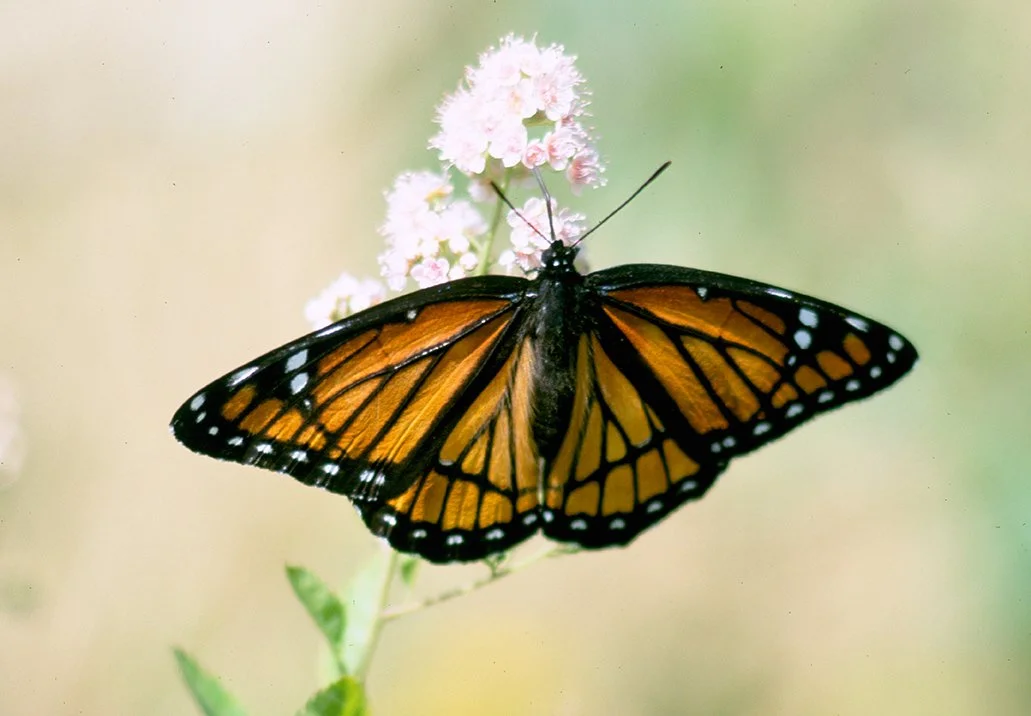
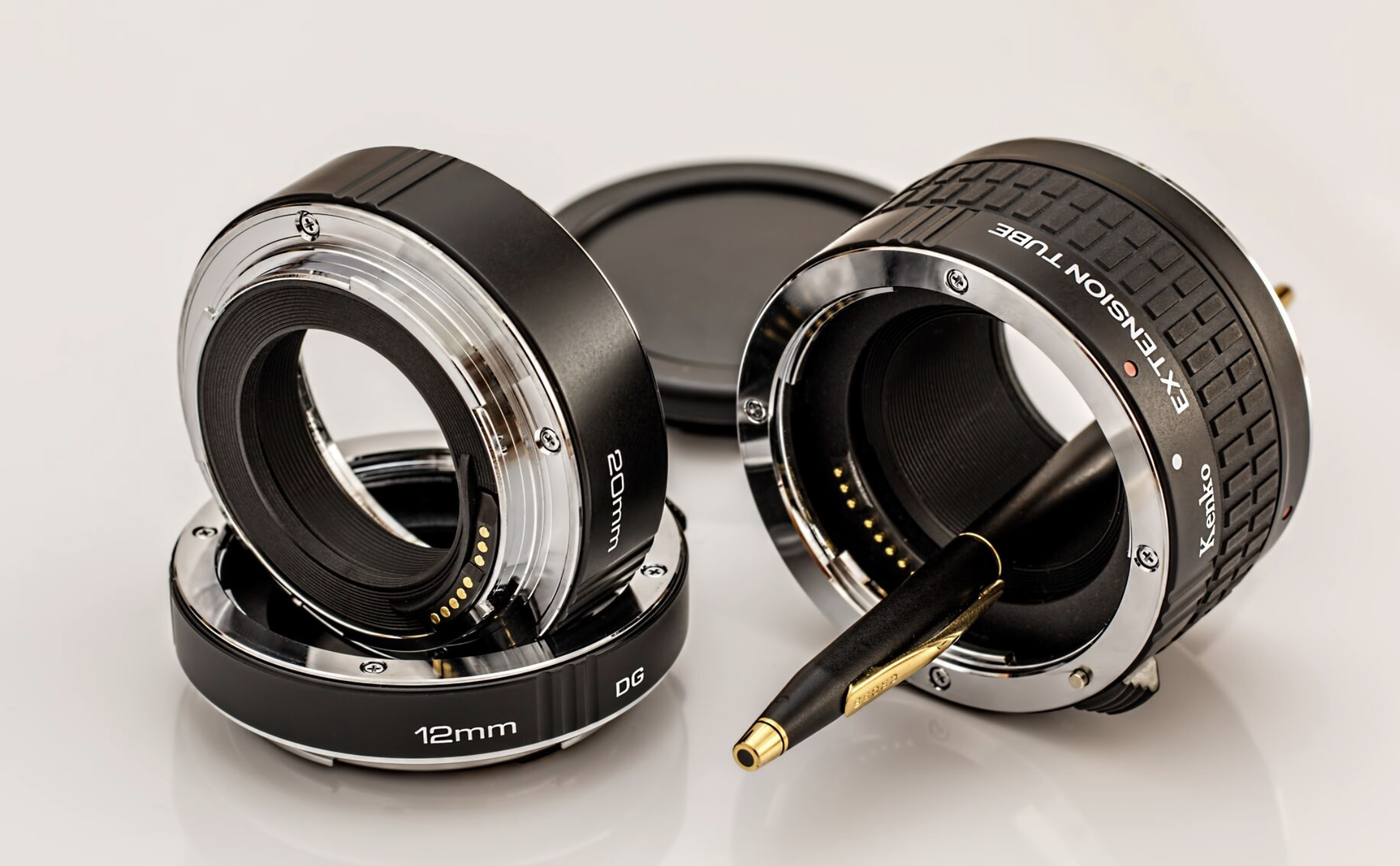
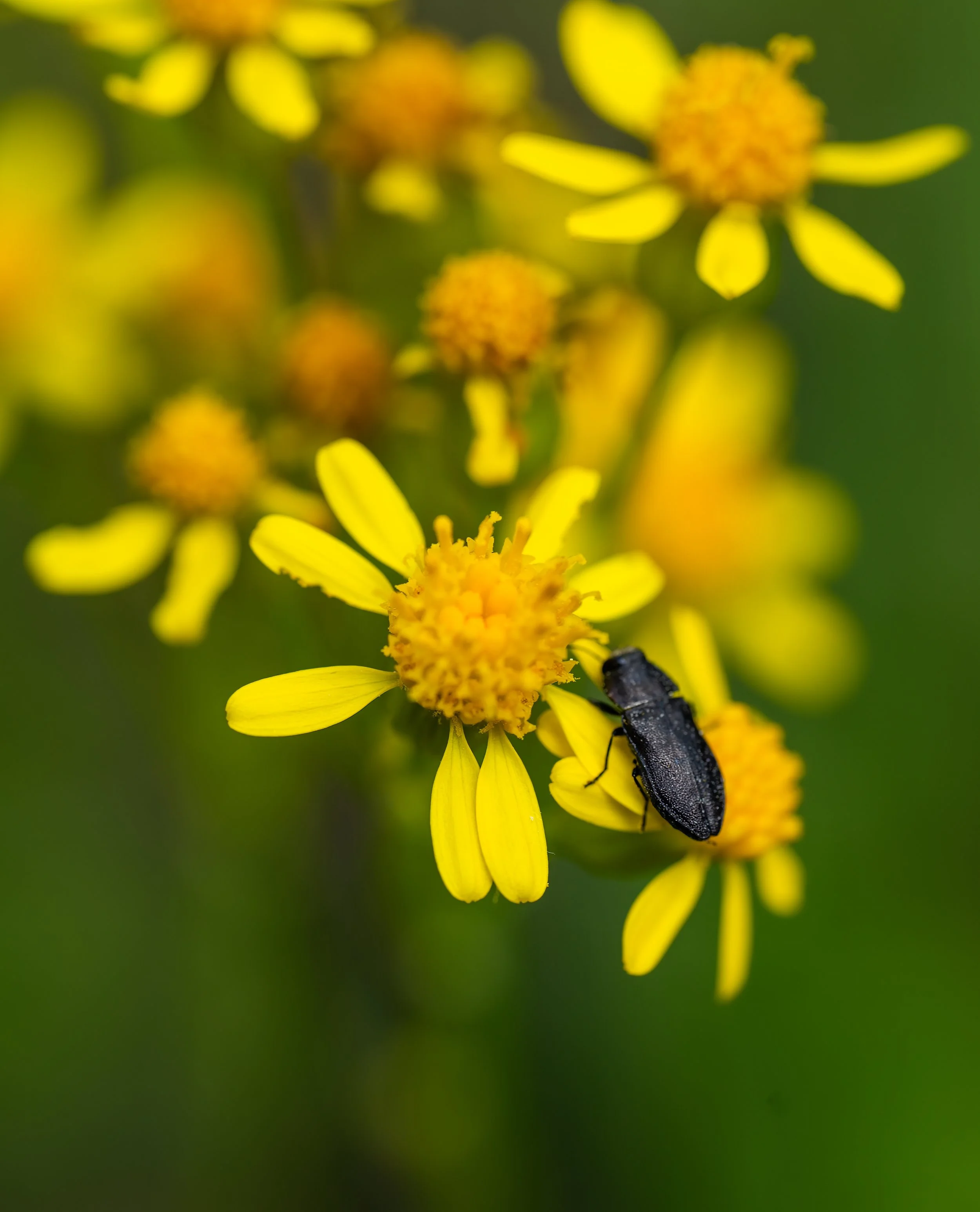
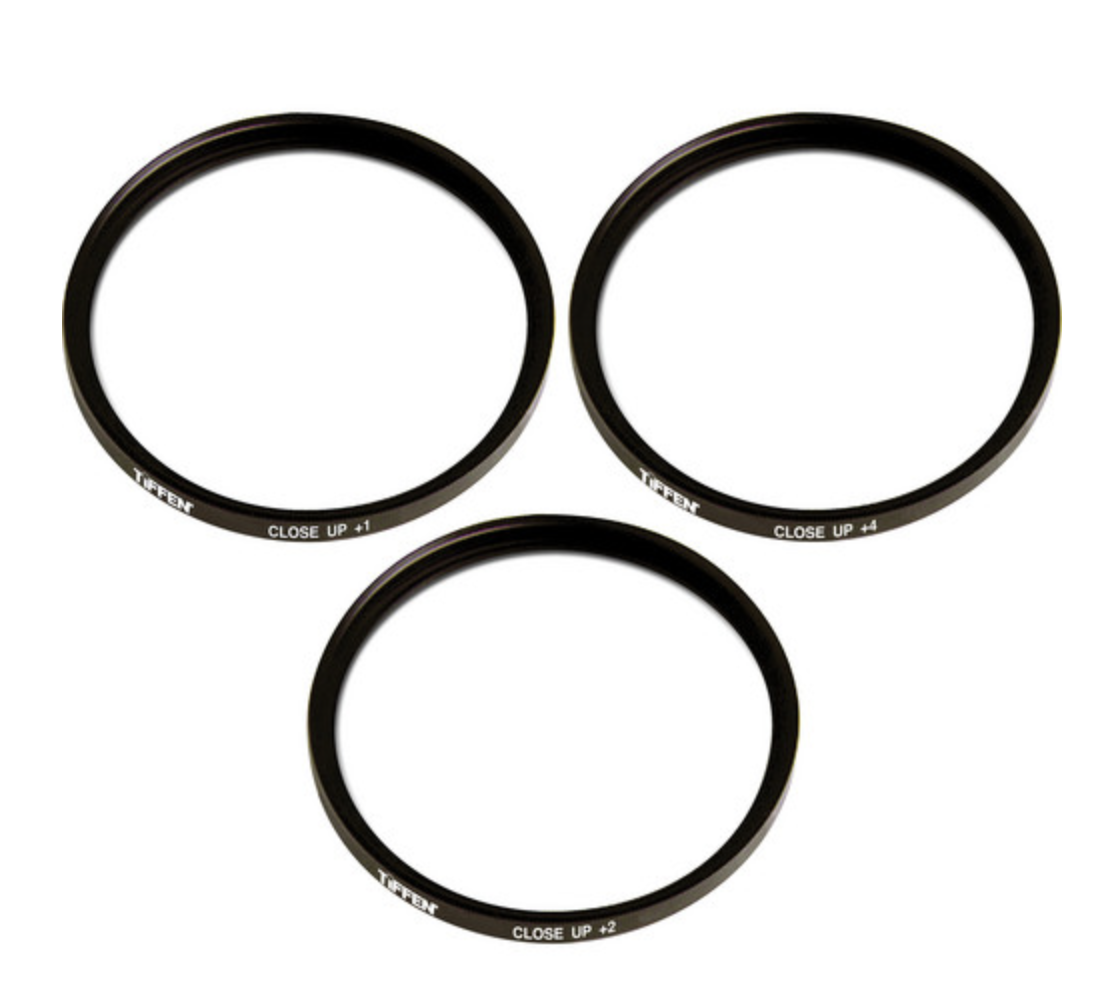
Macro Lenses
A true macro lens offers 1:1 magnification, meaning your subject appears life-size on the camera sensor. These lenses are designed specifically for close focusing and produce the most consistent results for serious close-up work.
Macro lenses are typically very sharp across the frame and allow you to focus close without sacrificing image quality. Longer focal lengths, such as a 100mm macro or greater, provide more working distance, which makes a big difference when photographing insects or other small wildlife that might be easily disturbed.
Macro lenses also tend to autofocus well at close distances and transmit light efficiently, which helps when shooting in natural light. Many photographers also appreciate that a macro lens doubles as a portrait or short telephoto lens.
Pros
True 1:1 magnification
Excellent sharpness
Better working distance with longer focal lengths
Reliable autofocus
No loss of light
Useful for other types of photography
Cons
Higher cost
Heavier than other macro options
Another lens to carry in the field
For photographers who regularly shoot close-up subjects, a macro lens is usually the best long-term solution.
Extension Tubes
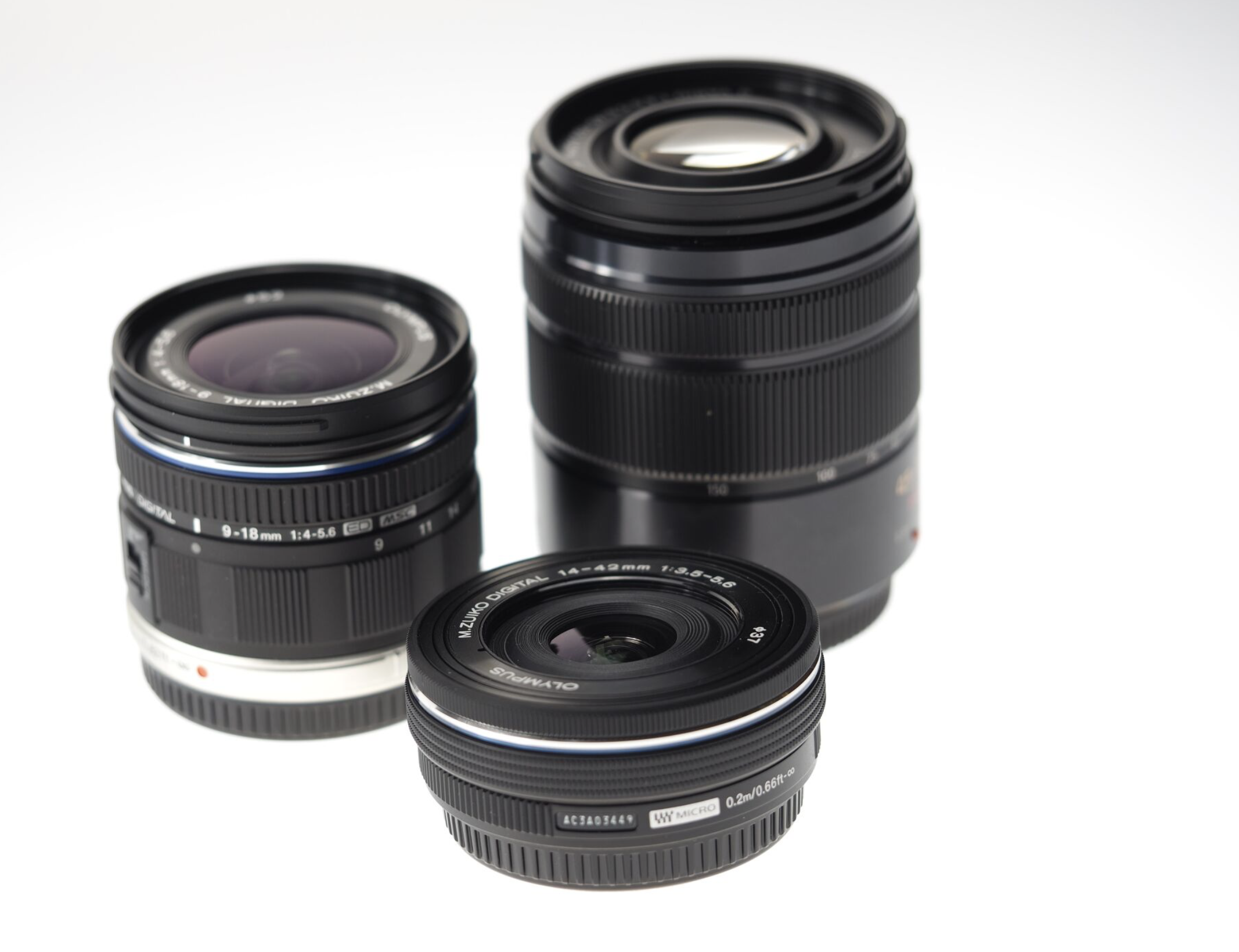
Extension tubes mount between the camera body and lens and reduce the minimum focusing distance. This allows a lens you already own to focus much closer than normal.
They are inexpensive, lightweight, and easy to pack, which makes them ideal for travel and occasional macro work. A telephoto zoom such as a 70–200mm combined with an extension tube can produce very good close-up images, especially for larger subjects like butterflies or flowers.
Many photographers keep a set of extension tubes in their bag at all times because they take up almost no space and are ready whenever a close-up opportunity appears.
Pros
Inexpensive
Lightweight and compact
Works with lenses you already own
No additional glass elements
Cons
Loss of light as tube length increases
Reduced working distance
Autofocus may slow down or become unreliable
Image quality depends on the lens being used
Extension tubes are a practical and flexible solution, especially for photographers who only shoot macro occasionally.
Close-Up Filters
Close-up filters screw onto the front of your lens like a standard filter and allow you to focus closer.
They are simple and compact, and they work well for casual close-up photography. Image quality varies depending on the strength and brand of the filter, so higher-quality versions generally perform better.
Pros
Small and easy to carry
Simple to use
Works with many lenses
Cons
Image quality varies
Less control than a macro lens or tubes
Close-up filters are a convenient option for photographers who want the simplest way to experiment with close-focus work.

Close-Up vs. Macro Photography
Close-up photography and macro photography are often used interchangeably, but they are not exactly the same.
Close-up photography simply means filling more of the frame with your subject than you normally could. This can be done with telephoto lenses, zoom lenses, extension tubes, or close-up filters. Magnification is typically below life-size, often around 1:4 to 1:2.
Close-up photography works well for:
Flowers
Textures
Reptiles and amphibians
Larger insects
Detail shots in the landscape
Macro photography is defined by magnification. True macro photography reaches 1:1 magnification or greater, meaning the subject appears life-size on the camera sensor.
Macro photography is best for:
Small insects
Fine textures
Tiny plant details
Extreme close-ups