Moose Fun Facts and Field Notes
Moose (Alces alces), often referred to as “twig eaters,” are animals of scale and presence. Their height, long stride, and unmistakable profile make them stand out wherever they roam. From quiet ponds to willow-lined river corridors, encountering a moose in its natural setting is a moment many photographers never forget on our tours and workshops.
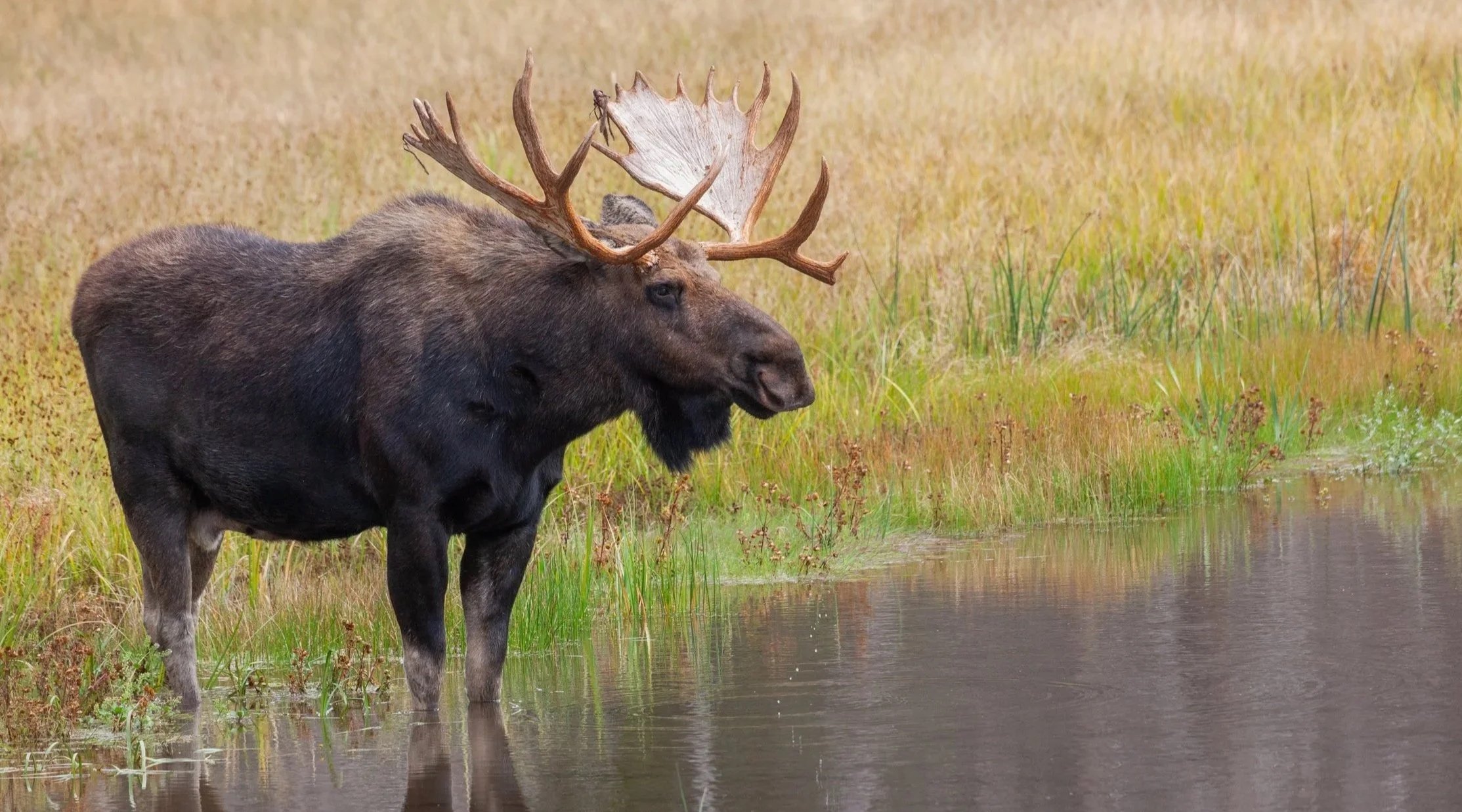
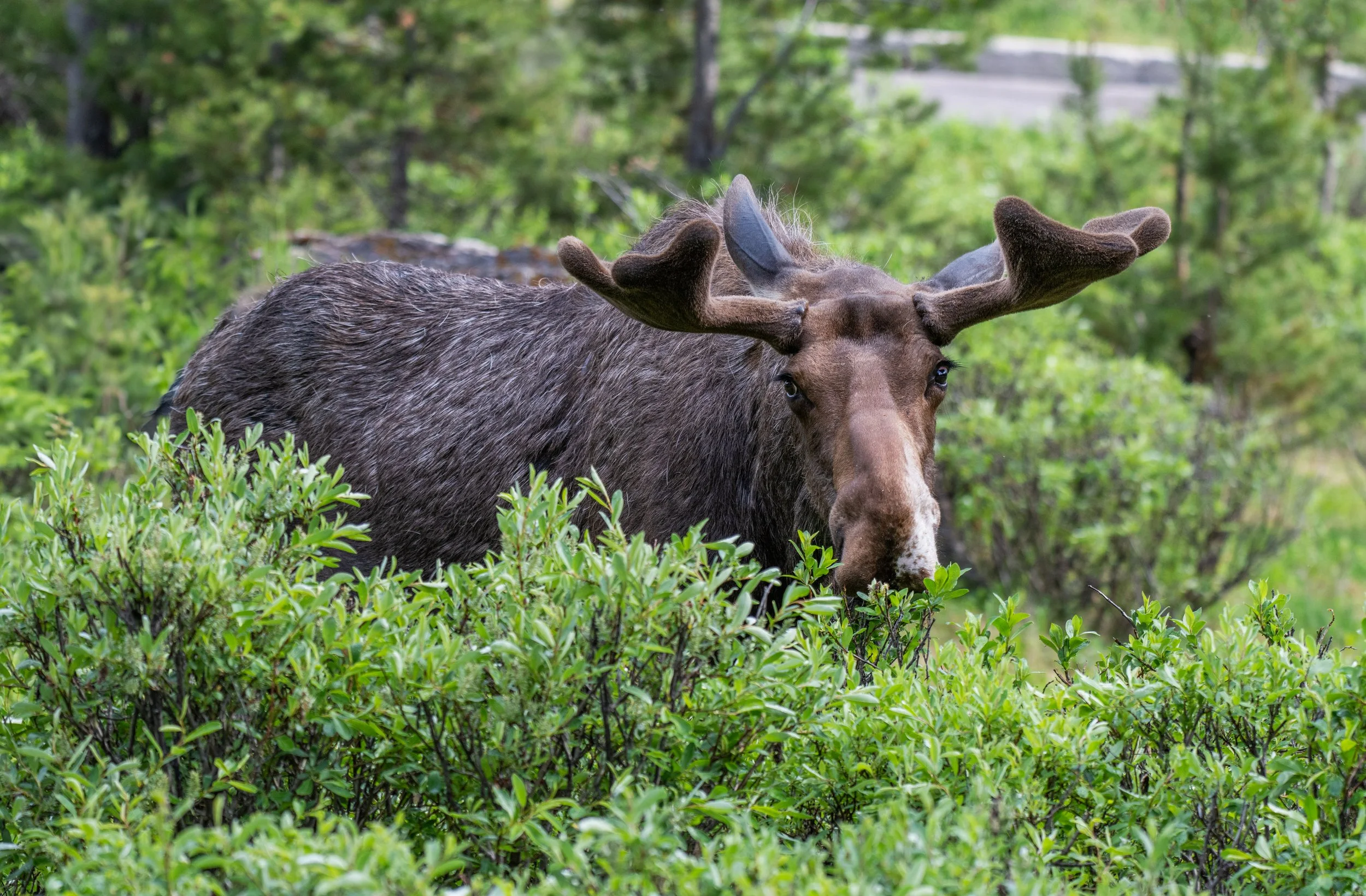
A bull moose feeding in a quiet pond in Grand Teton National Park.
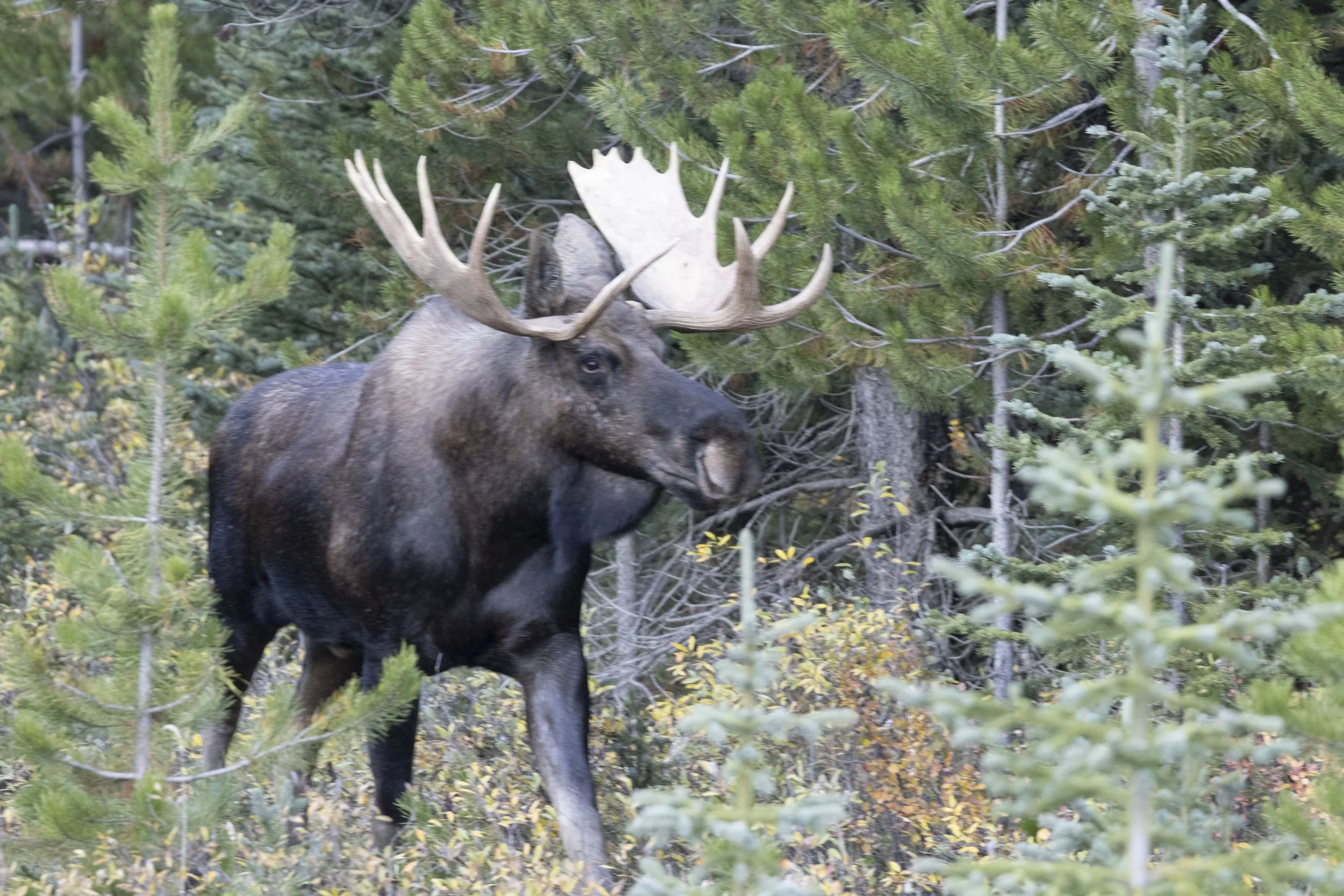
A bull moose and a young moose share a brief nose-to-nose moment during peak fall color in Maine.
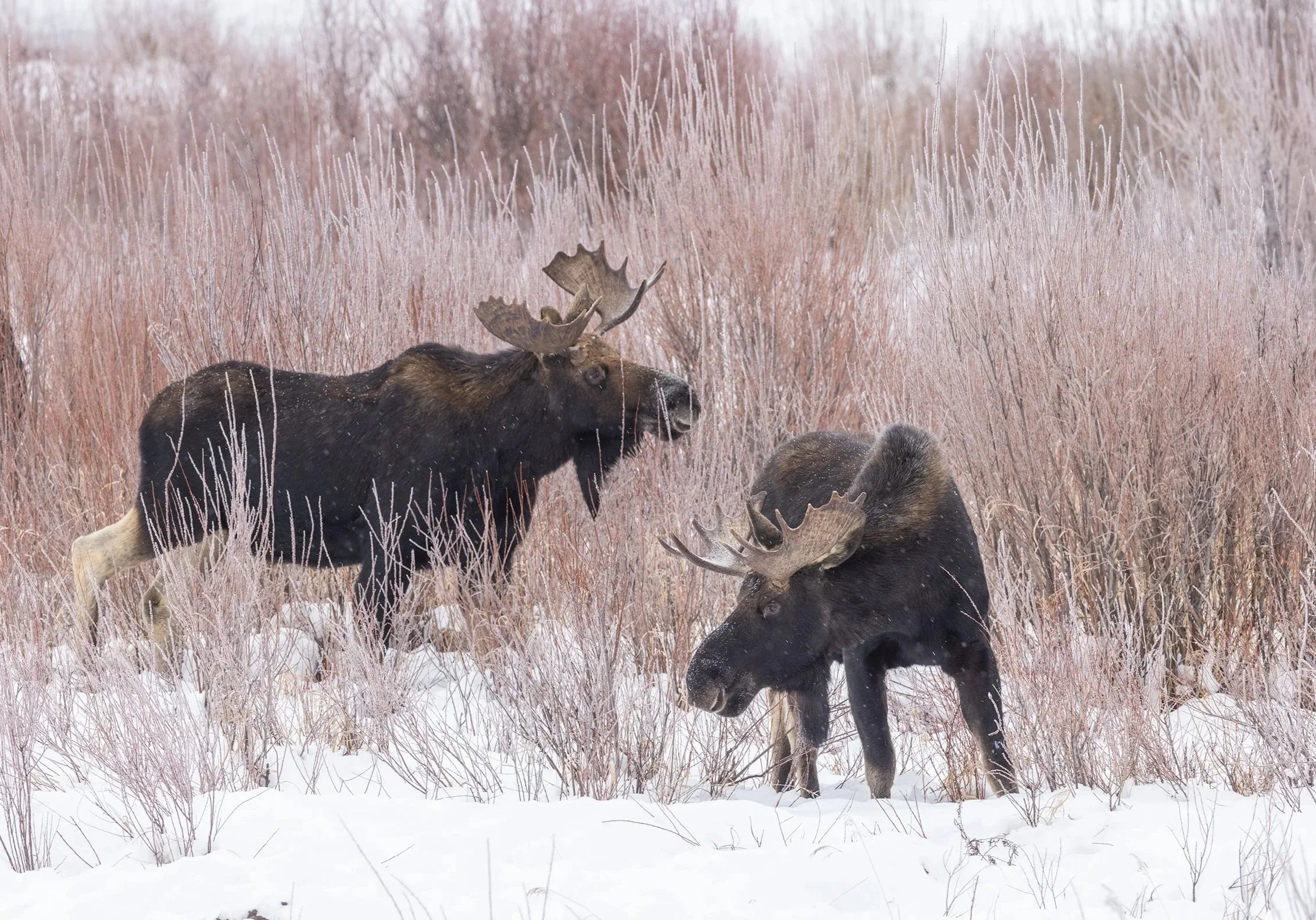
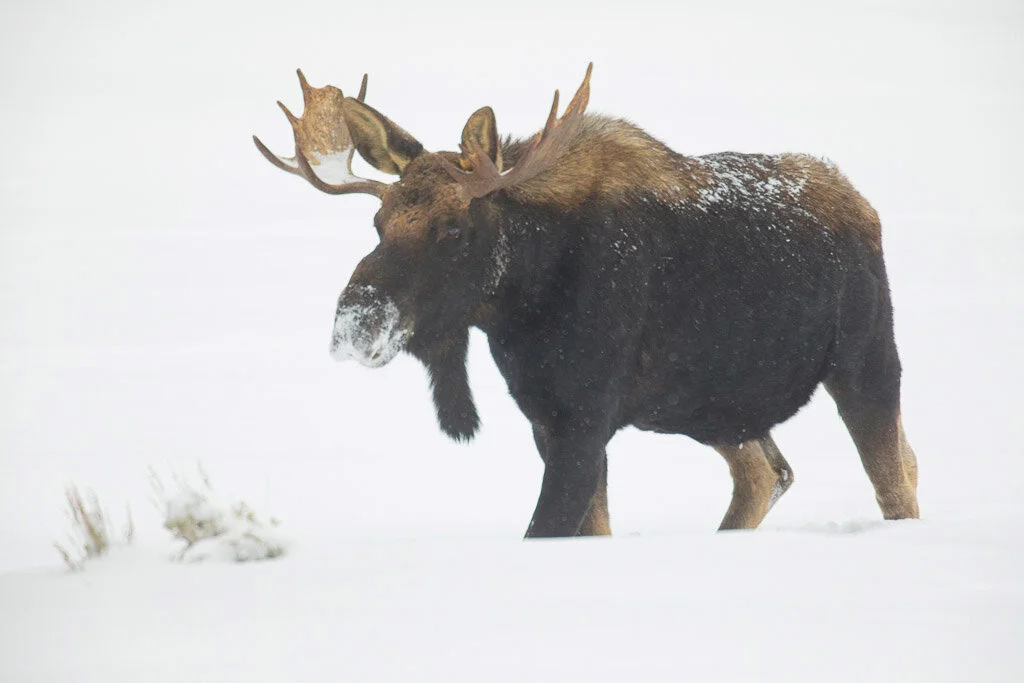
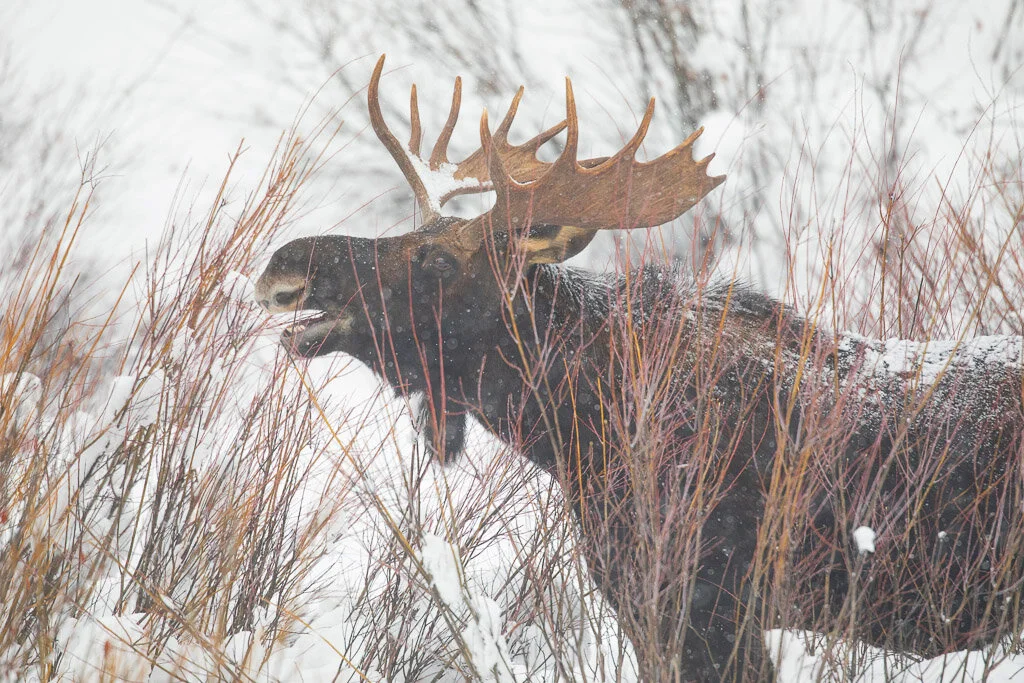
Two bull moose move through snowy willows in Yellowstone, a classic winter scene.
Nine Fun Facts About Moose
They are the largest deer in the world. Adult bull moose can stand over six feet tall at the shoulder and weigh more than 1,200 pounds.
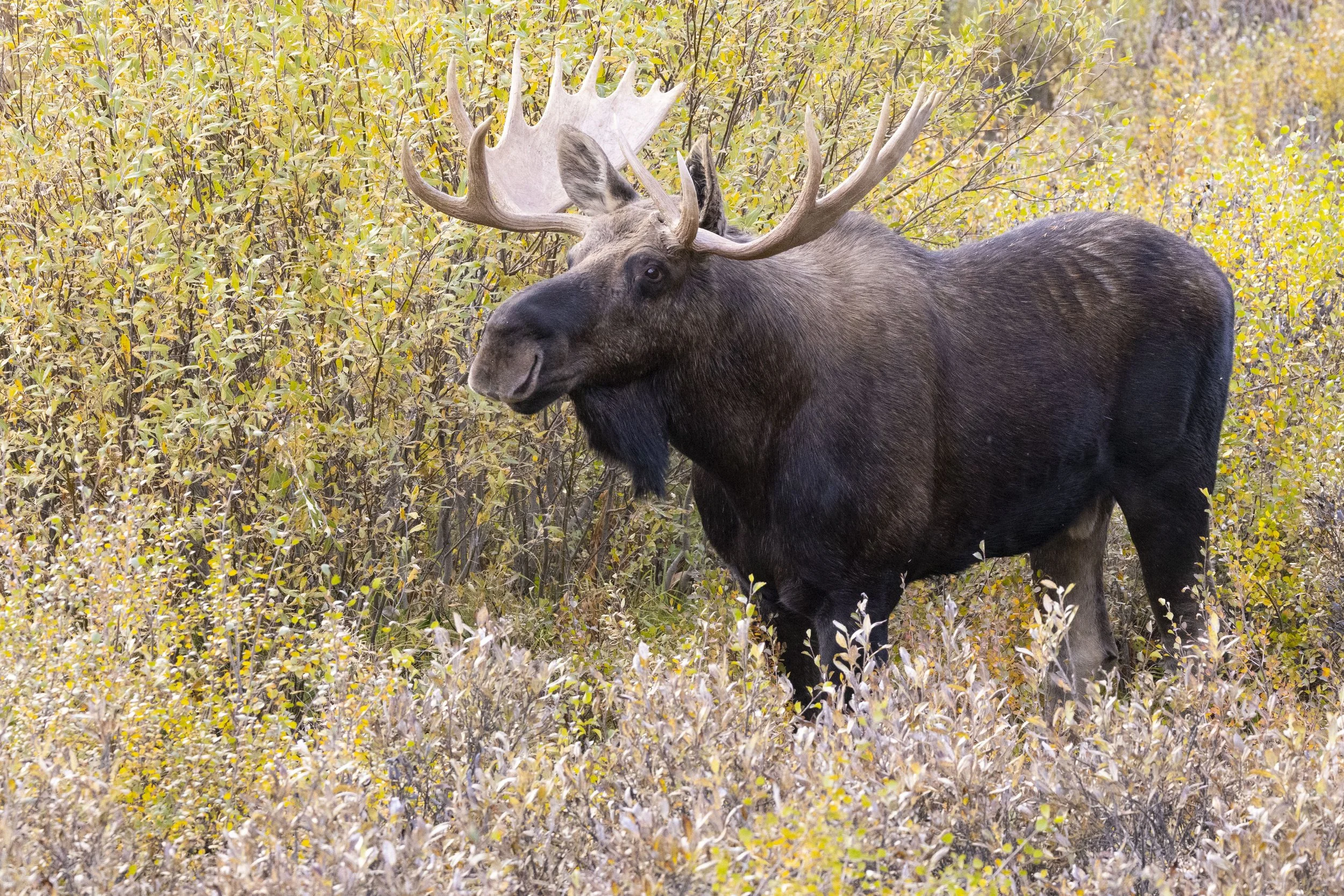
Their antlers are massive and regrown every year. Bulls grow new antlers each spring, shedding them after the fall rut. The antlers can span six feet or more from tip to tip.
They are excellent swimmers. Moose can swim long distances and often cross lakes and rivers, using their powerful legs to paddle with ease.
They spend a lot of time in water. Moose frequently feed in ponds, lakes, and wetlands, where they eat aquatic plants and cool off during warmer months.
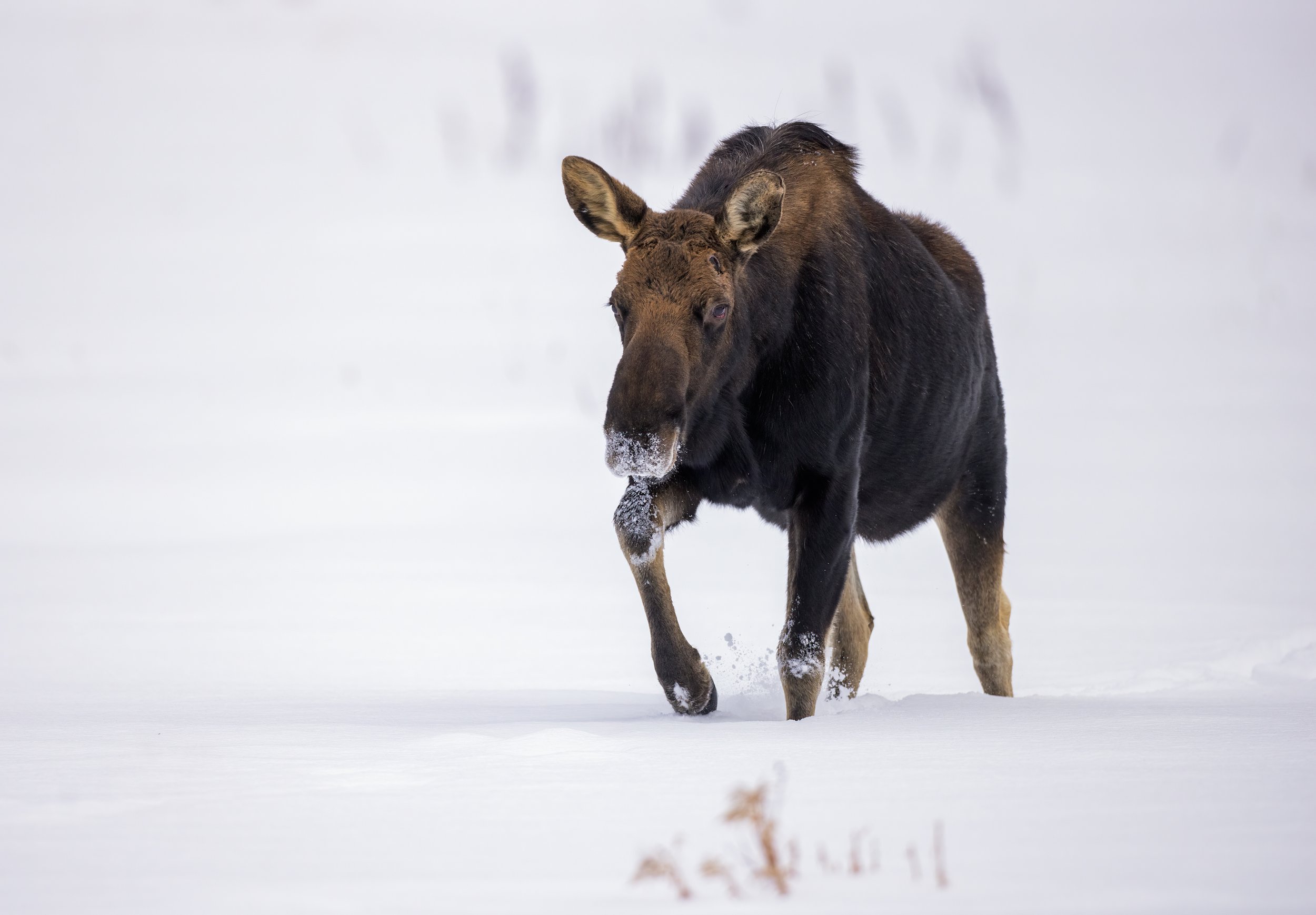
Their long legs are built for deep snow. Moose are well adapted to northern climates, using their height to move through deep snow that slows other animals.
They have a strong sense of smell. Moose rely heavily on scent to detect predators and other moose, especially during the breeding season.
Bulls are most aggressive during the rut. In the fall, male moose compete for mates and can be unpredictable, especially when cows are nearby.
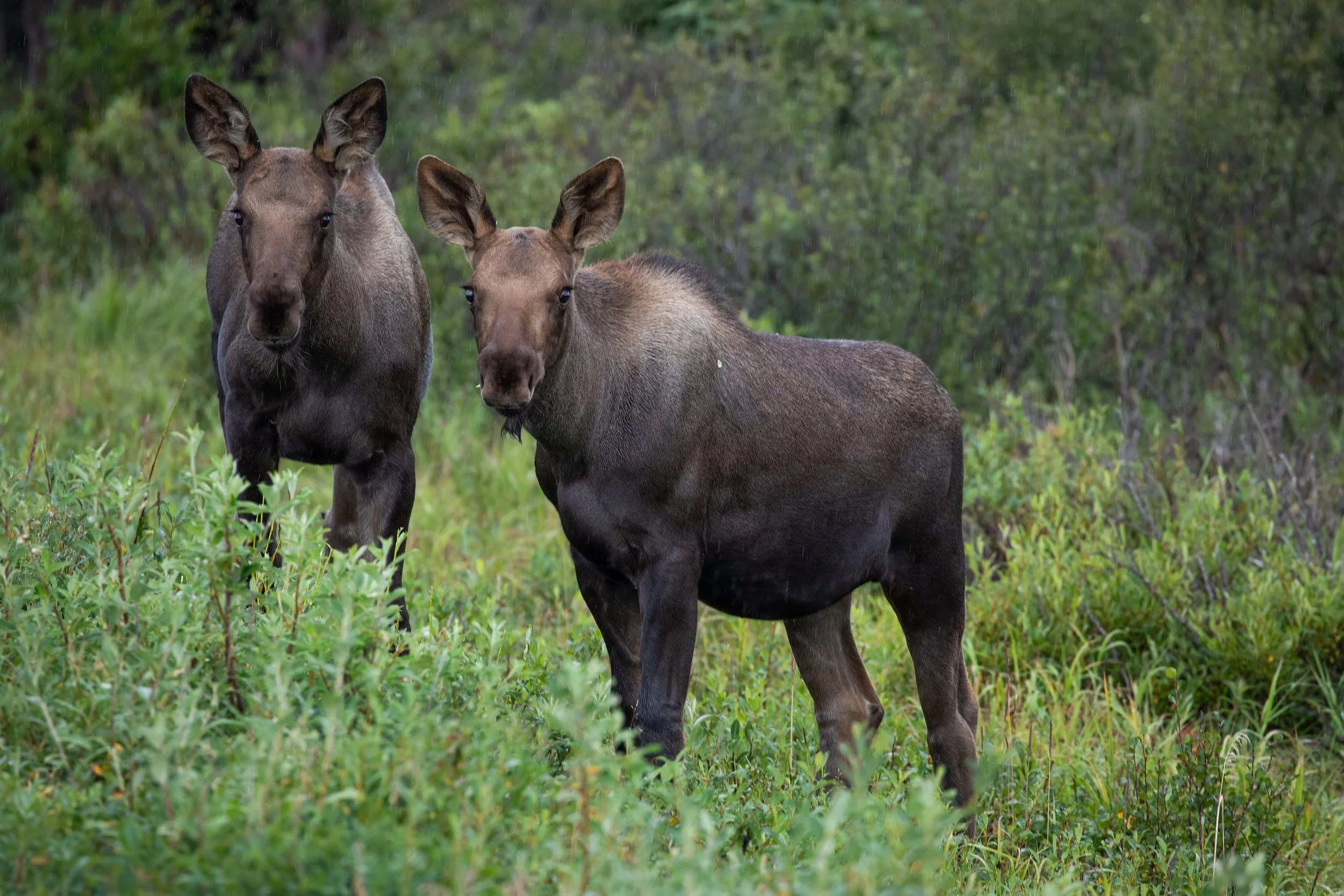
Calves stay with their mothers for about a year. A cow typically gives birth to one or two calves in late spring, and they remain with her through their first winter.
Despite their size, they can move quickly. Moose can run at speeds over 30 miles per hour for short distances when threatened.
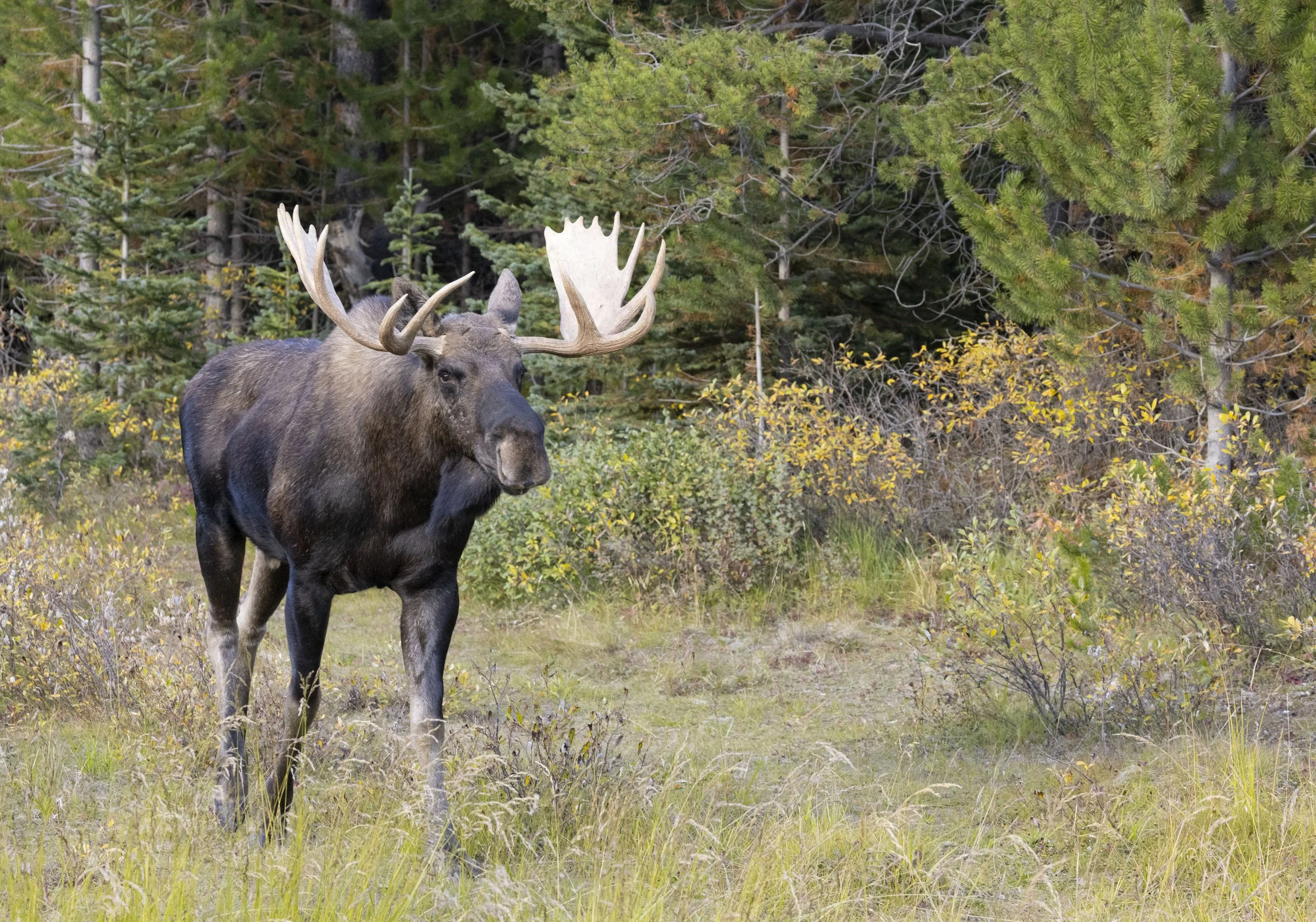
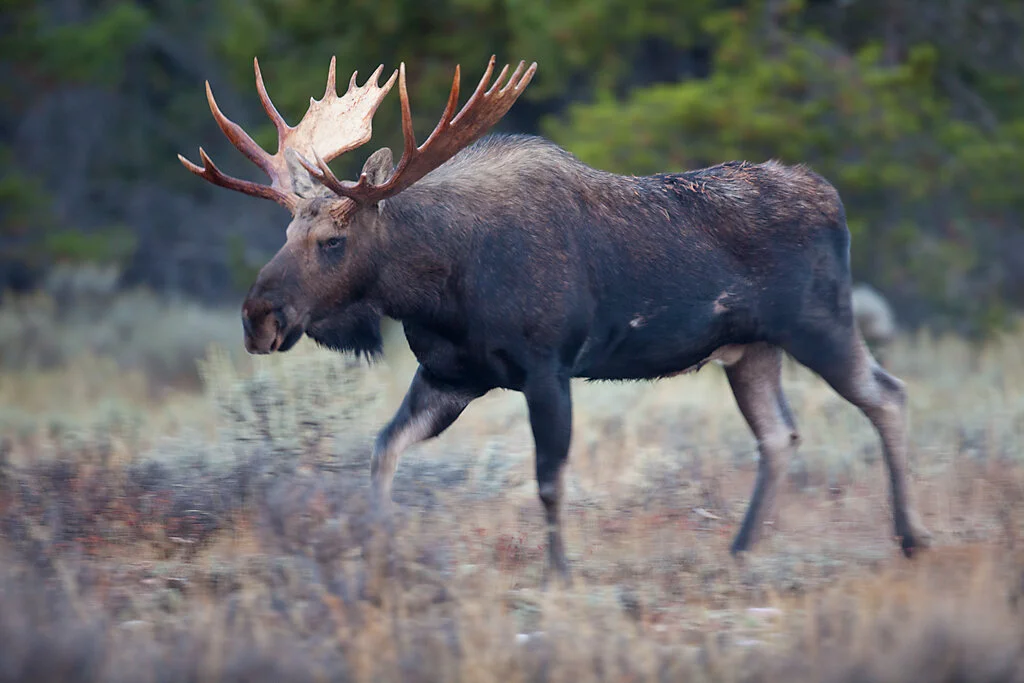
A bull moose stays close to a cow during the fall rut, a time of heightened activity and tension.
Where We See Moose on Our Tours
We photograph moose in several regions across North America, often in areas where water, willows, and wetlands converge. In Alaska, moose are commonly seen along rivers, lakes, and marshy areas, often standing belly-deep in water while feeding. These settings offer great opportunities to photograph moose with reflections and dramatic natural backdrops.
We also regularly photograph moose in the Canadian Rockies, as well as in and around Yellowstone and Grand Teton National Parks. In winter, Yellowstone and the Tetons offer especially strong opportunities as moose move through snowy river corridors, willow flats, and forest edges, creating compelling scenes set against winter landscapes.
Two bull moose walk through fresh snow in Grand Teton National Park, their size and stride standing out against the winter landscape.
Tips for Spotting and Photographing Moose
Best times: Early morning and evening, when moose are more likely to be feeding, and light is softer. Fall can be especially productive due to increased movement during the rut.
Where to look: Wetlands, ponds, lakeshores, and areas with dense willows or aquatic vegetation. Moose often feed near water edges and will wade into ponds or streams to browse or drink.
Photography tip: Use a long lens and give moose plenty of space. They are large animals and deserve respect, especially cows with calves and bulls in the fall. When a moose lowers its head to drink or feed in water, be ready. As they lift their head, water often drips from their mouth and chins, creating brief, rewarding moments to photograph.
Composition: Look for reflections in calm water, environmental portraits that show scale, or side profiles that highlight antlers and body shape.
Behavior cues: Ear position, head movement, and body posture can indicate alertness or agitation. If a moose stops feeding and focuses on you, it is time to increase distance.
Moose are listed as Least Concern globally, but many regional populations are in decline. Warming temperatures have had a significant impact on moose health by increasing winter tick survival and expanding parasite and disease pressures. In places like New England, these stressors, combined with habitat changes, have led to population declines and range contraction. Farther north and at higher elevations, including parts of Canada and Alaska, moose populations remain more stable, though they are not immune to long-term climate impacts. As moose retreat to colder regions, winter landscapes in places like Yellowstone, the Tetons, and the Canadian Rockies are becoming increasingly important for observing and photographing these animals in healthy habitat. Protecting large, connected habitats and addressing the effects of climate change remain critical to the future of moose across North America.