Our Favorite Apps for Nature Photographers
Over the years, we have found several apps that have become part of our regular workflow while scouting locations and leading nature photography tours and workshops. From tracking weather patterns to planning night photography, checking tides, and navigating remote areas, these are some of our favorite apps we use in the field.
Weather Apps
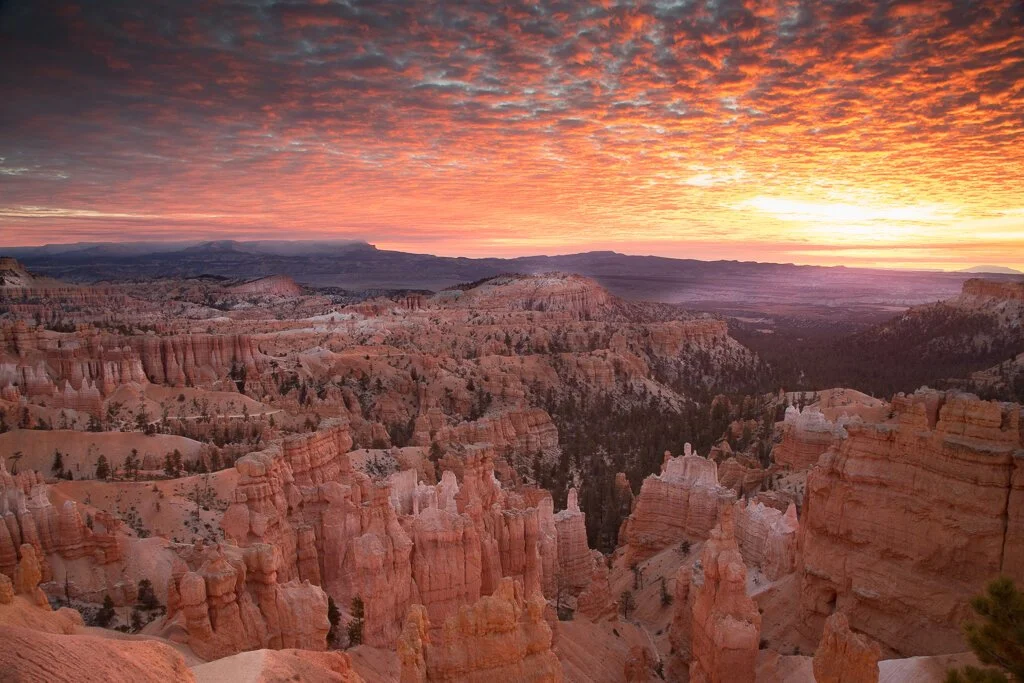
Weather is one of the biggest factors in nature photography. Clear blue skies might be great for hiking, but they are not always the most interesting conditions for photography. Storms, fog, dramatic clouds, fresh snow, and changing light often create some of the best photographic opportunities.
Since forecasts are never perfect, we like checking multiple sources and comparing them, especially when conditions are changing quickly.
One of the questions photographers ask most often is, “Will there be a good sunrise or sunset?”
Alpenglow helps predict the likelihood of colorful skies by analyzing weather conditions such as cloud cover, humidity, and atmospheric conditions. While no app can guarantee a great sunrise or sunset, it can be a helpful tool when deciding where to spend those valuable early morning or evening hours.
The Weather Channel is a great all-around weather app for checking daily forecasts, temperatures, wind, precipitation chances, and incoming storms. It’s especially helpful when traveling between locations and preparing for changing conditions.
Weather Underground is useful because it gathers information from many local weather stations. This can be especially helpful when photographing in mountains, coastal areas, or locations where conditions can vary dramatically within just a few miles.
WeatherBug is another useful weather resource, especially for radar, storm tracking, and lightning alerts. When photographing landscapes, changing weather can create incredible conditions, but safety always comes first.

Tide Apps
When photographing along the coast, understanding the tides is extremely important. The difference between high and low tide can completely transform a location, revealing tide pools, reflections, interesting foreground elements, or creating more dramatic waves and water movement.
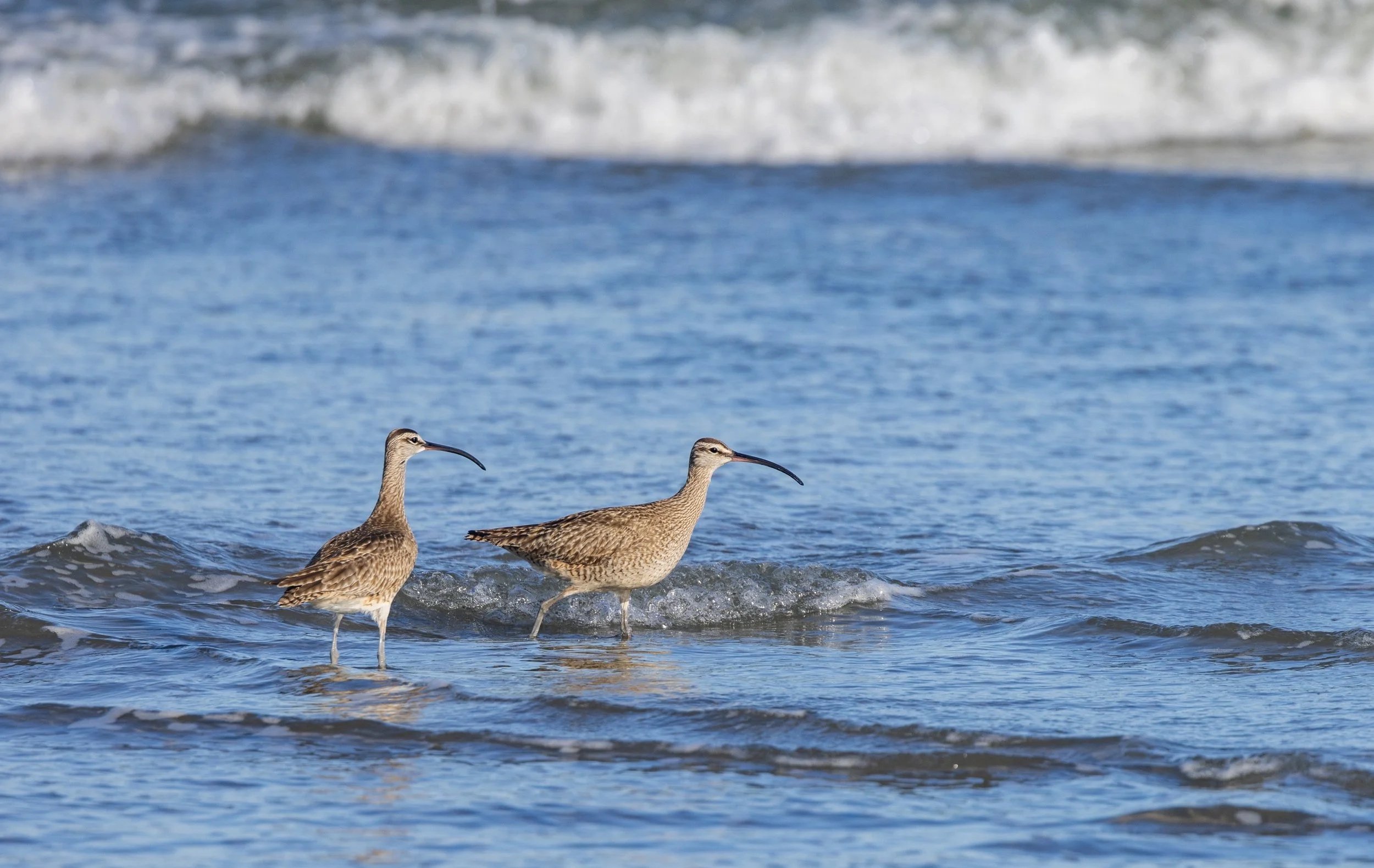
Tides also play a major role in wildlife photography. Shorebirds and other coastal animals often adjust their behavior based on changing water levels, making tide information valuable when planning where and when to photograph.
Checking tides is also important for safety. Some coastal areas can become difficult or impossible to access once the tide rises, so it is always a good idea to know what the ocean is doing before heading out.
Hi Tide is a simple, easy-to-use app for quickly checking tide information while traveling. It provides tide charts, high and low tide times, tide heights, and future predictions for coastal locations around the world.
The visual tide graph makes it easy to see if the water is rising or falling, which is especially helpful when planning seascapes, shoreline access, or coastal wildlife photography.
Tides Near Me is a great option when you arrive somewhere new and need tide information quickly. The app automatically finds nearby tide stations and provides current tide conditions, upcoming high and low tides, and sunrise and sunset times.
It’s a useful tool when scouting unfamiliar areas or traveling between multiple coastal locations.
My Tide Times provides detailed tide tables, forecasts, and information for thousands of locations worldwide. It allows you to search specific areas, save favorite locations, and look ahead when planning future photography outings.
This can be especially useful when planning a trip and trying to coordinate locations with the best tide conditions.
Photography Planning Apps
PhotoPills is one of the most powerful planning tools available for photographers.
It allows us to plan sunrise, sunset, moon, and Milky Way photography by showing exactly where the sun, moon, and stars will be at any given location and time.
For landscape photography, this can help determine when the sun will line up with certain features such as mountains, arches, coastlines, or other subjects.
For night photography, PhotoPills is especially useful for planning Milky Way compositions, tracking moon phases, finding dark skies, and determining the best dates and times for photographing the night sky.
If you're interested in photographing the Milky Way or other night sky subjects, be sure to check out our article on our favorite night photography apps, where we take a closer look at the tools we use for planning and photographing after dark.
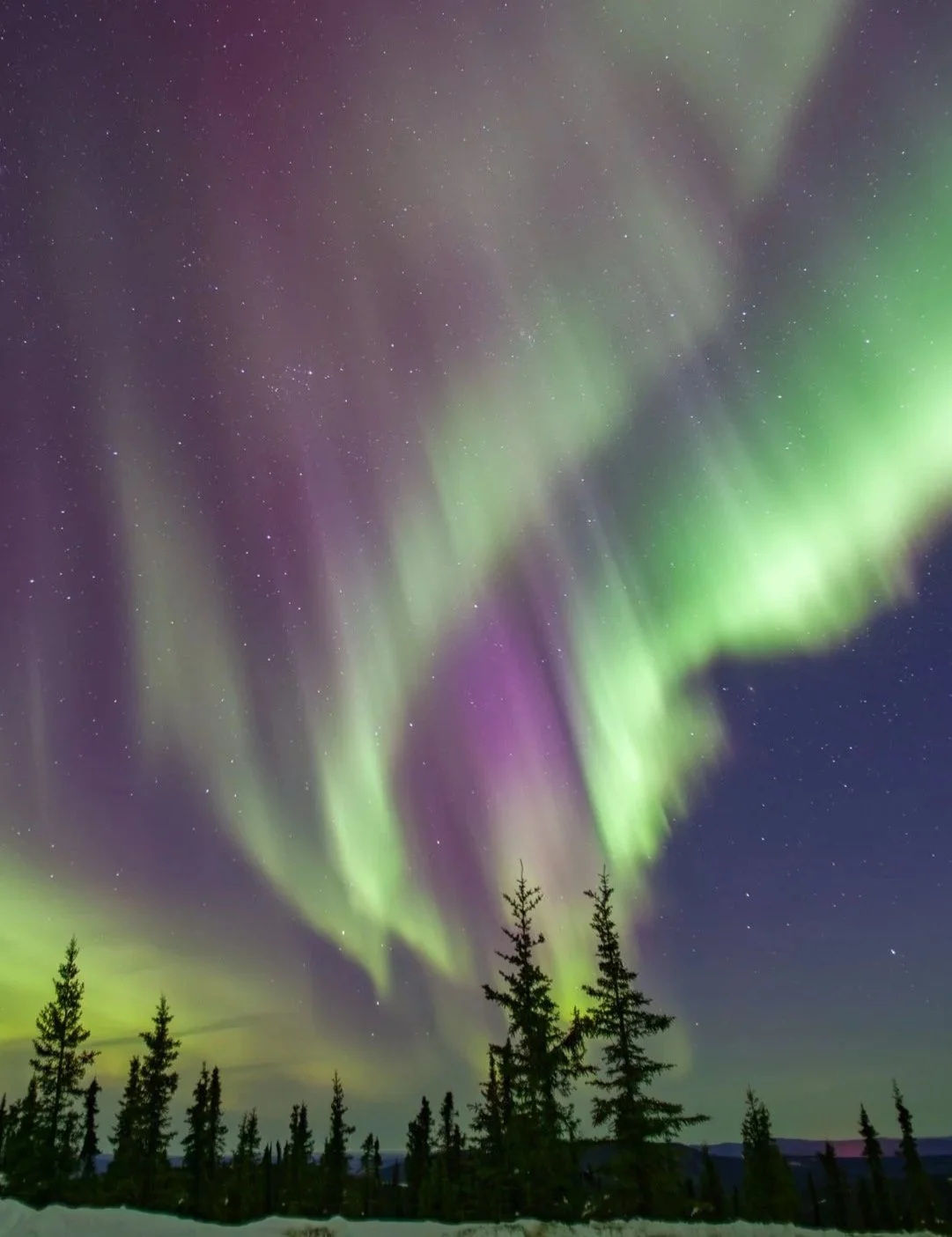
Photographing the northern lights requires planning, patience, and a little luck. My Aurora Forecast & Alerts help track aurora activity, including viewing probability, KP index, solar activity, and cloud cover.
One of the most useful features is the ability to receive alerts when aurora activity increases, so you know when conditions may be favorable. While no app can guarantee a northern lights display, it can help you make informed decisions about when to grab your camera and head outside.
Nature and Wildlife Apps
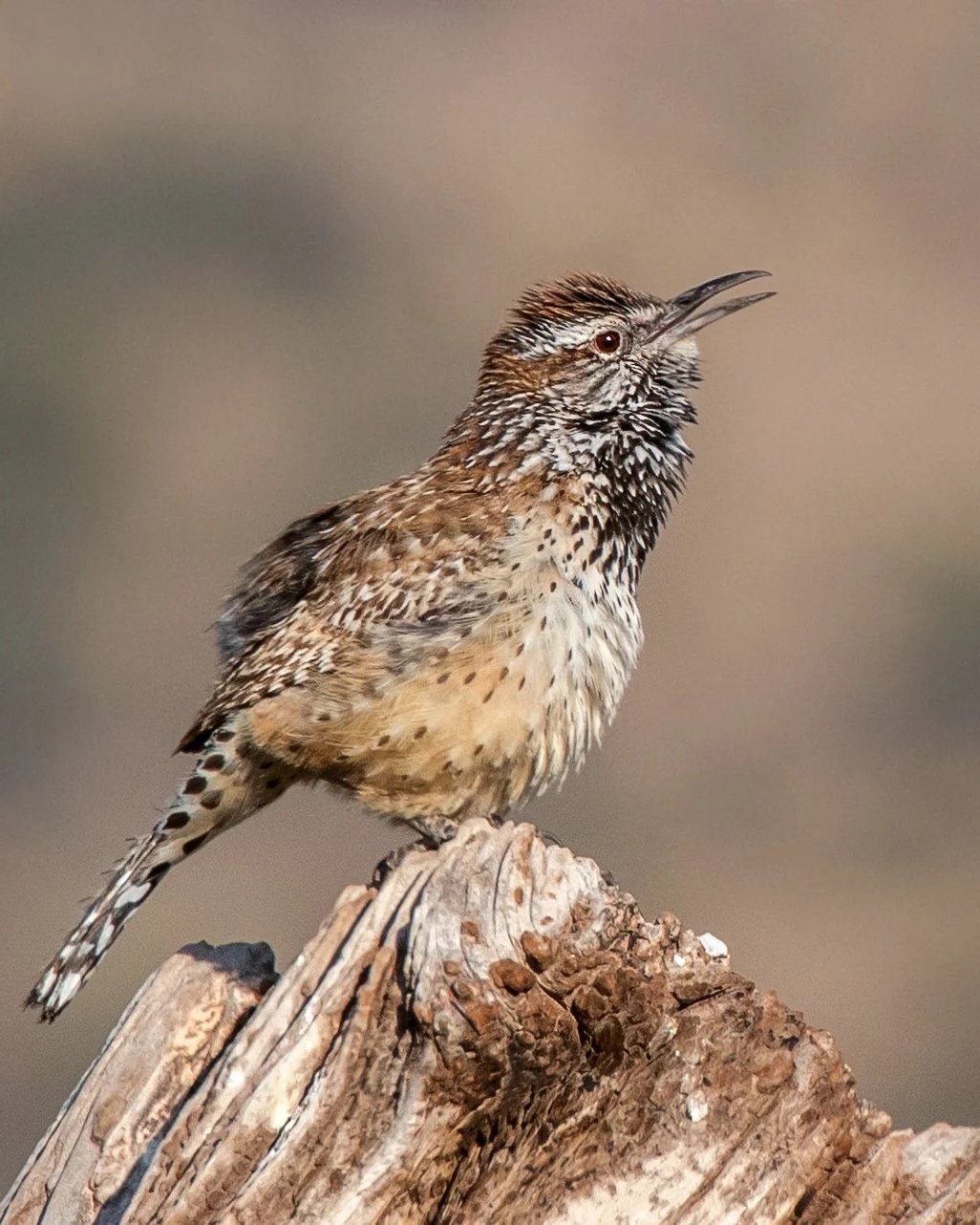
Merlin Bird ID is one of our favorite apps for identifying birds while traveling and photographing wildlife. Created by the Cornell Lab of Ornithology, Merlin helps identify birds by answering a few simple questions, uploading a photo, or using its Sound ID feature to recognize bird songs and calls.
The Sound ID feature is especially helpful in the field because you can often hear birds long before you see them. Knowing which species are nearby can help you slow down, observe behavior, and become more aware of your surroundings.
For bird and wildlife photographers, Merlin is a great educational tool that helps us learn more about the species we encounter and photograph.
iNaturalist is a helpful tool for identifying plants, animals, insects, and other species we encounter while traveling. You can upload a photo, receive identification suggestions, and learn more about the natural world around you.
It is also a citizen science project, allowing observations to contribute valuable information used by researchers and conservation organizations.
For nature photographers, it’s a great way to learn more about the subjects we photograph and gain a deeper appreciation for the landscapes, habitats, and wildlife we experience in the field.

Navigation and Scouting Apps
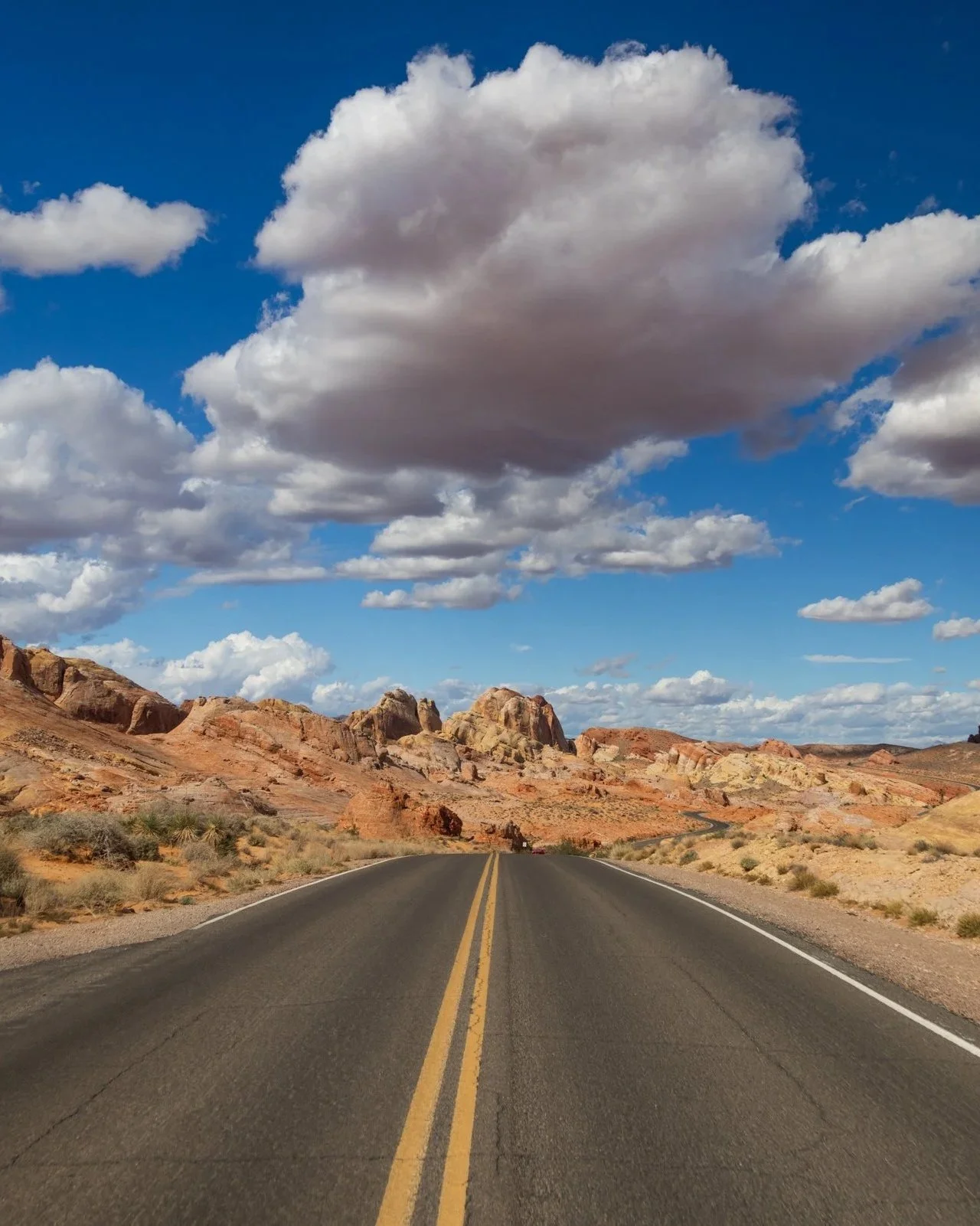
Google Maps is one of our most-used apps while traveling. Beyond basic navigation, it is a valuable scouting tool for photographers.
We use it to save locations, organize places we want to visit, estimate drive times, find alternate routes, and search for nearby services.
Downloading offline maps before heading into remote areas is also a good idea since many photography locations have limited or no cell service.
Many of the best photography locations are away from reliable cell coverage. A Garmin GPS provides an extra layer of security when traveling through remote areas and exploring backroads, national parks, and wilderness areas.
We rely heavily on our Garmin GPS units while scouting locations and leading photography workshops and tours. We keep two separate units, one dedicated to the western United States and one for the eastern United States. Over the years, we have saved thousands of photography locations, including landscapes, wildlife areas, scenic viewpoints, backroads, and other places worth revisiting.
Having these locations saved makes it easier to return when conditions are right and gives us more flexibility in the field, especially when exploring areas without phone service.
AllTrails is a helpful app for researching hiking trails and exploring new areas. It provides trail maps, distances, elevation gain, difficulty ratings, and recent reviews from other users.
For photographers, it can be especially useful when scouting locations, researching access points, estimating hiking times, and understanding terrain before heading into the field.
Downloading maps ahead of time is also helpful when visiting areas with limited cell service.
Travel Organization Apps
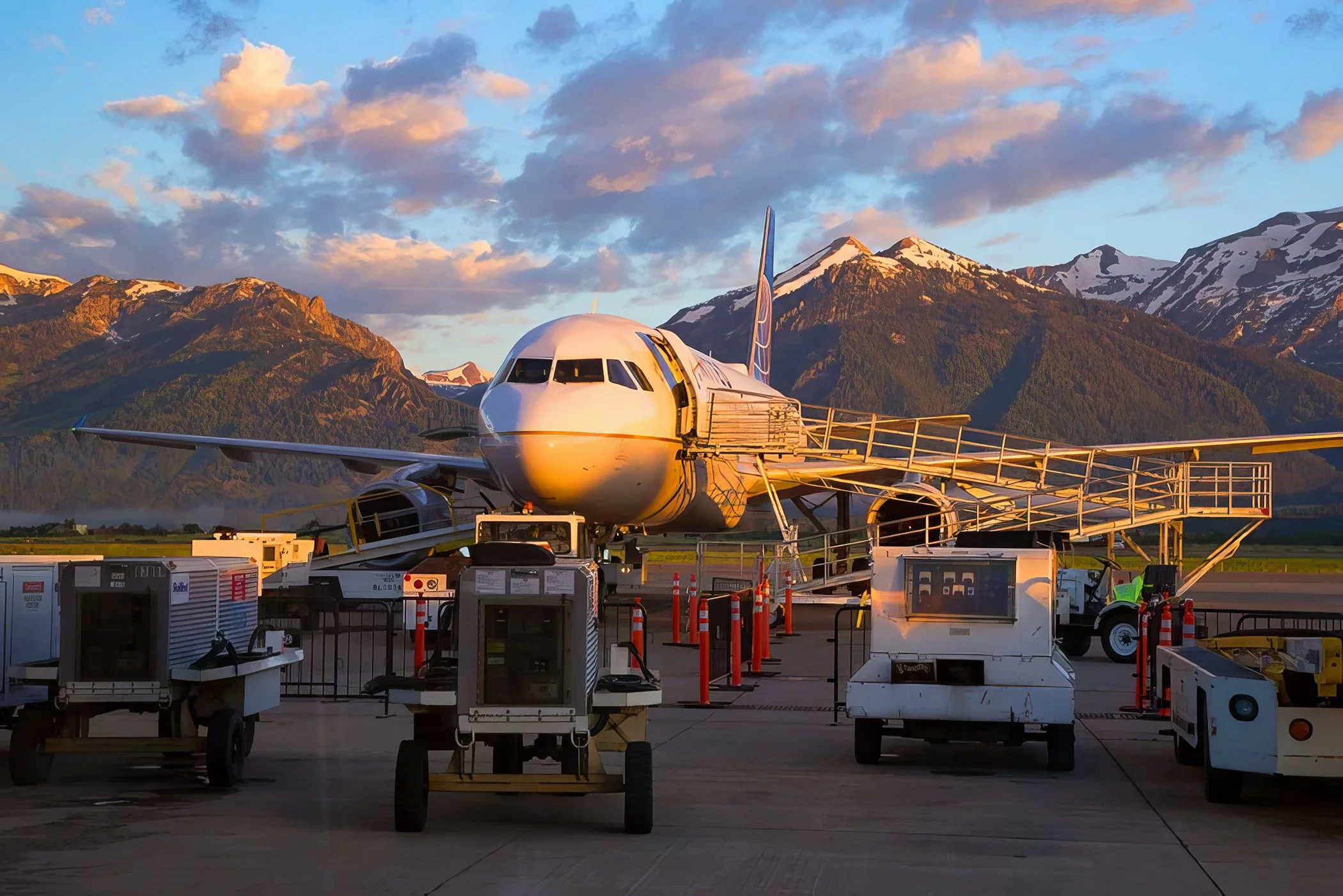
When traveling, staying organized makes everything easier. Google Calendar helps keep track of schedules, reservations, flights, important times, and other details while on the road.
For photography trips, it can also be useful for noting sunrise and sunset times, planned locations, and travel days.
After a long day in the field, finding a good meal or researching an unfamiliar area is always appreciated.
TripAdvisor can help find restaurants, lodging, and activities while traveling. Reviews and traveler photos can also provide useful information about what to expect before visiting a new location.
Final Thoughts
Technology will never replace patience, experience, and time spent observing nature, but the right apps can provide valuable information when conditions are constantly changing.
From predicting great light and planning around tides to navigating remote areas and keeping track of favorite locations, these tools play an important role in how we scout and lead our nature photography workshops and photo tours throughout North America.
They allow us to spend less time worrying about logistics and more time enjoying the incredible landscapes and wildlife we came to photograph.