Sea Otter Fun Facts and Photography Tips
Sea otters (Enhydra lutris) are one of the most beloved marine mammals, known for floating on their backs, cracking shells, and wrapping themselves in kelp. Watching them drift through coastal waters offers a completely different experience from their river-dwelling cousins and is a favorite moment on our coastal and Alaska photo tours. and workshops.

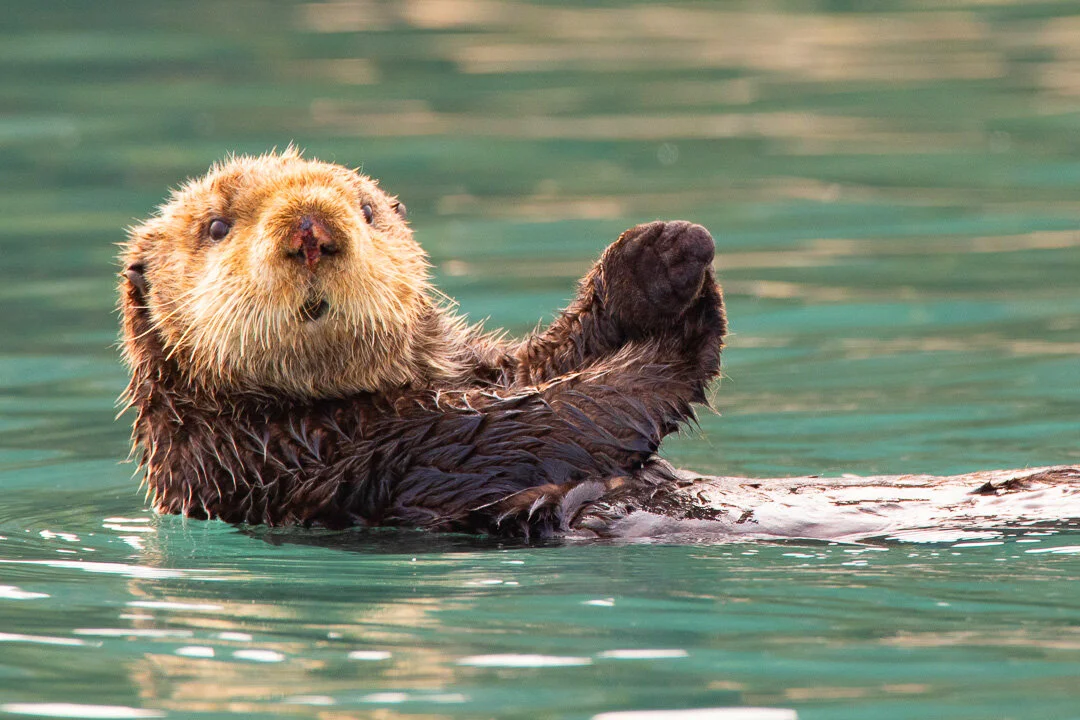
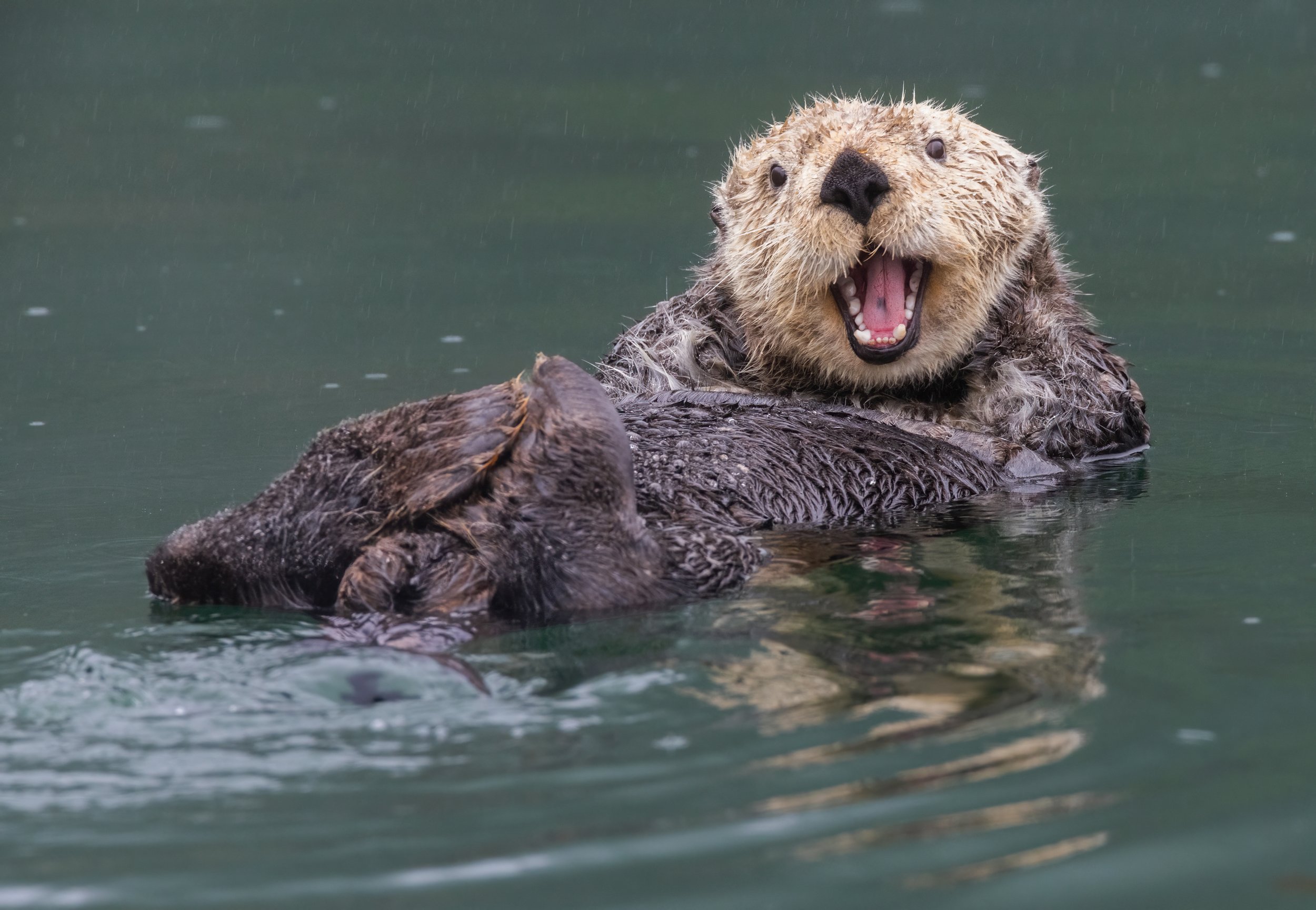
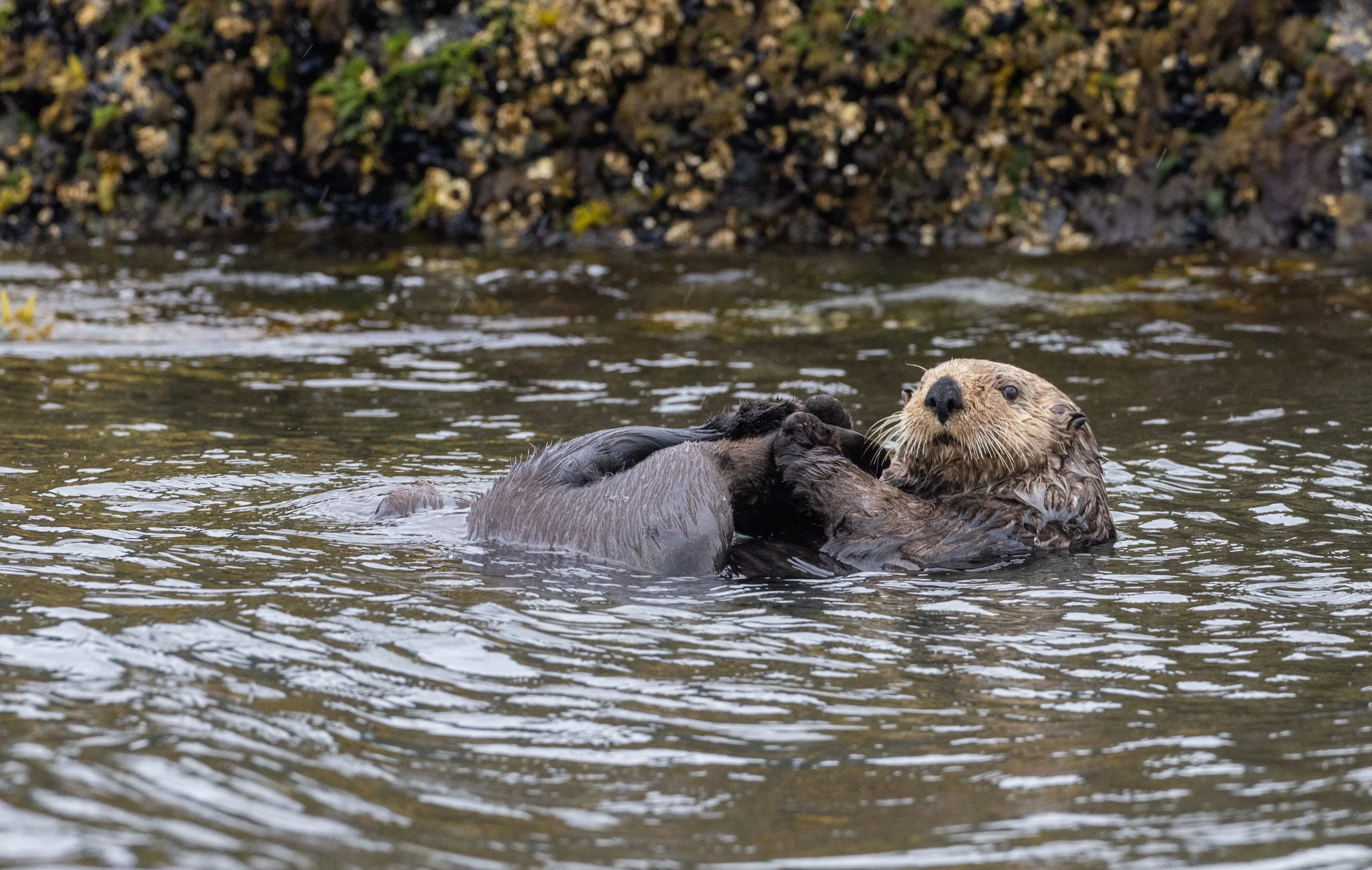
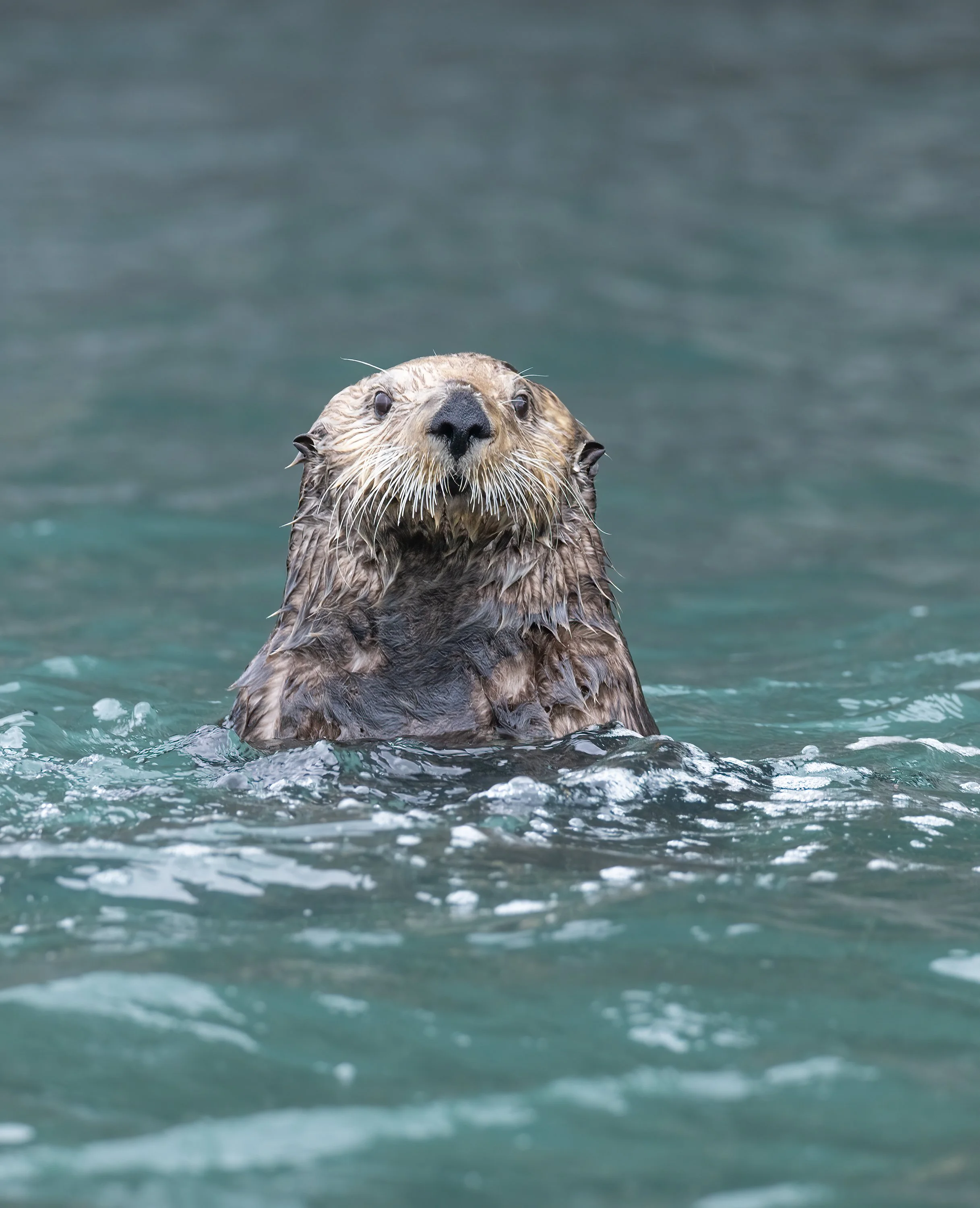
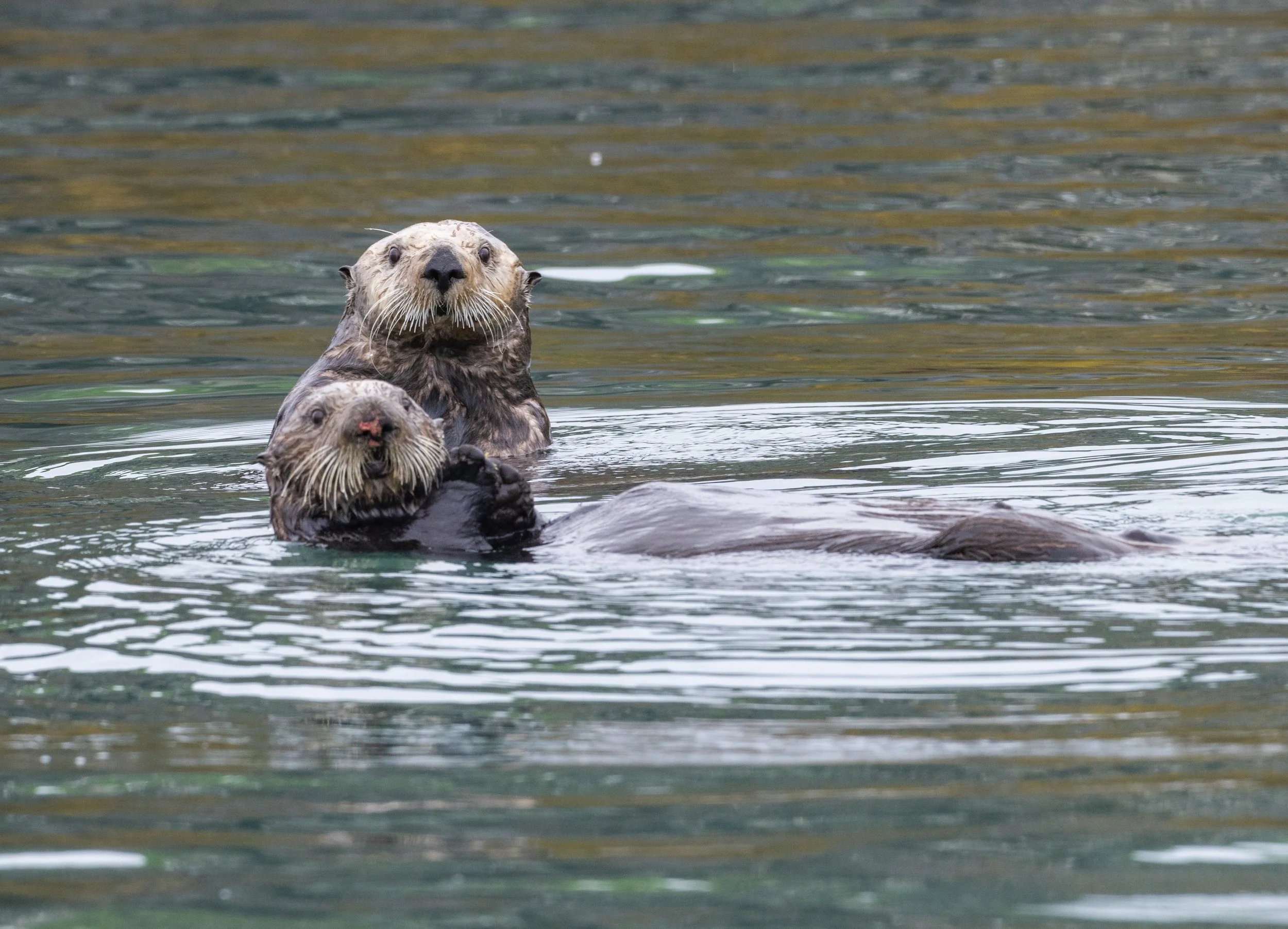
A sea otter floats calmly on the surface, relaxed and at home in Alaska’s coastal waters.

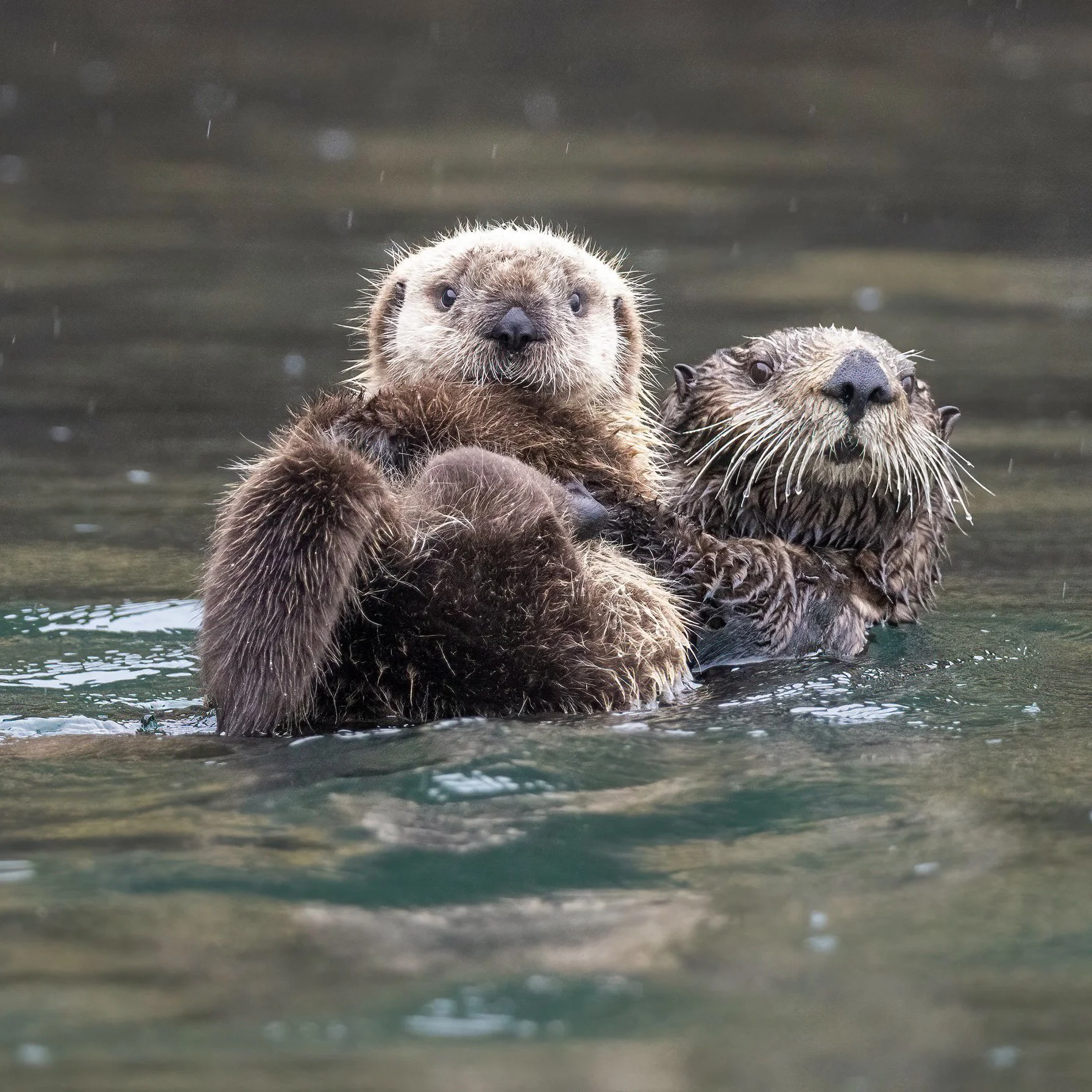
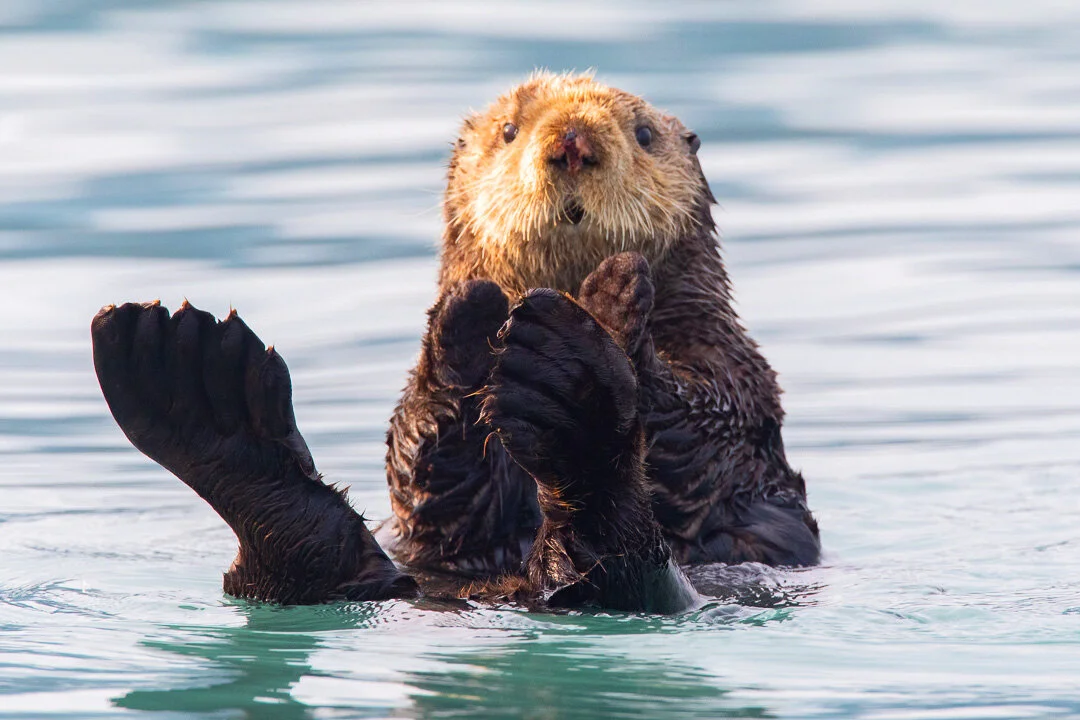
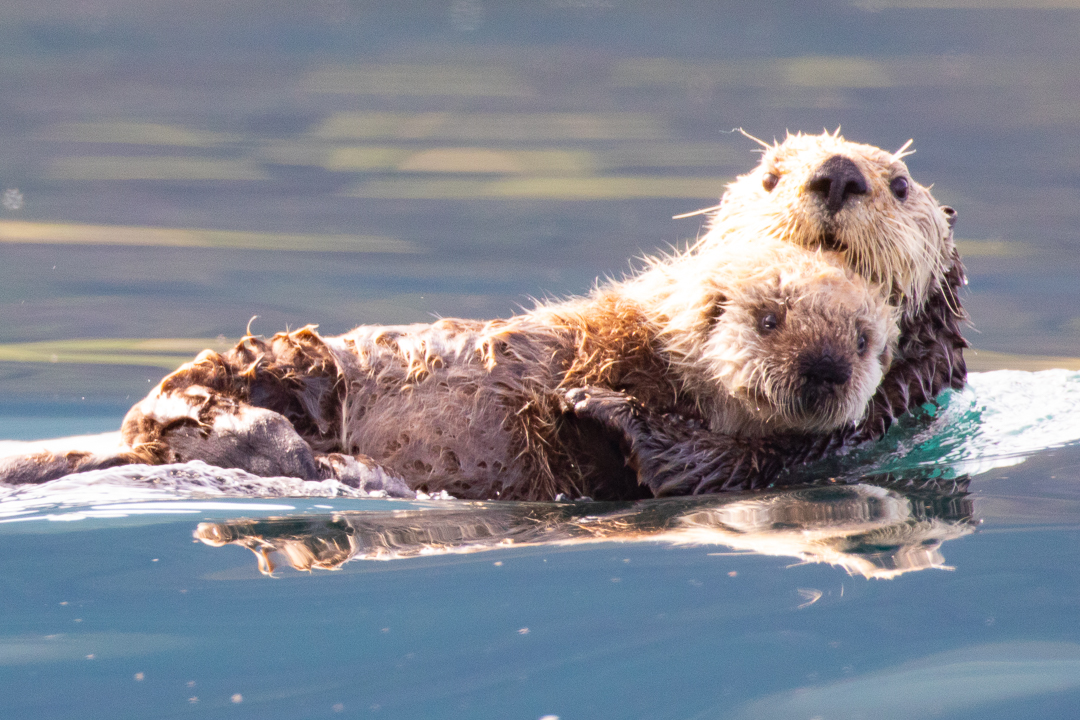
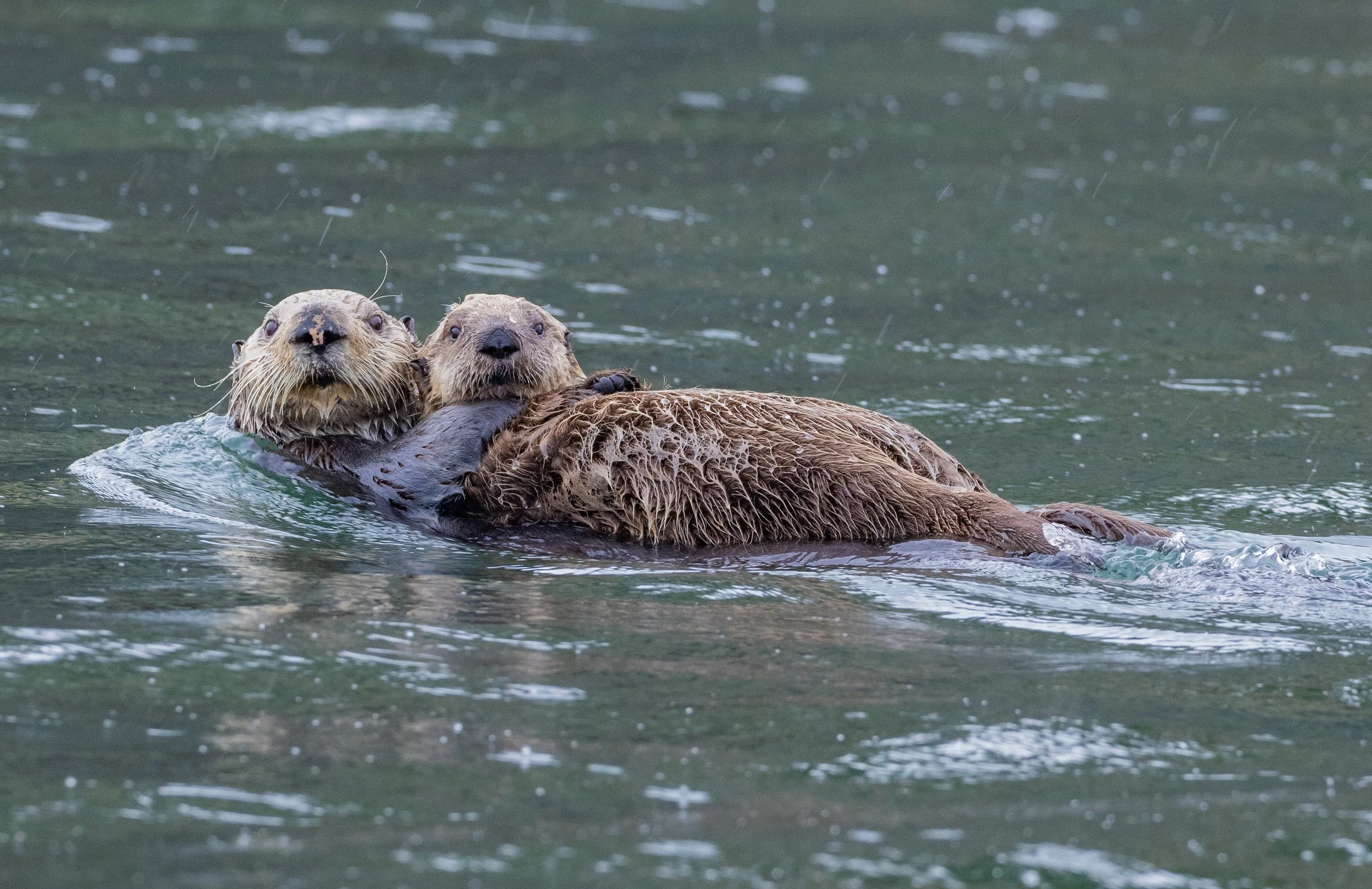
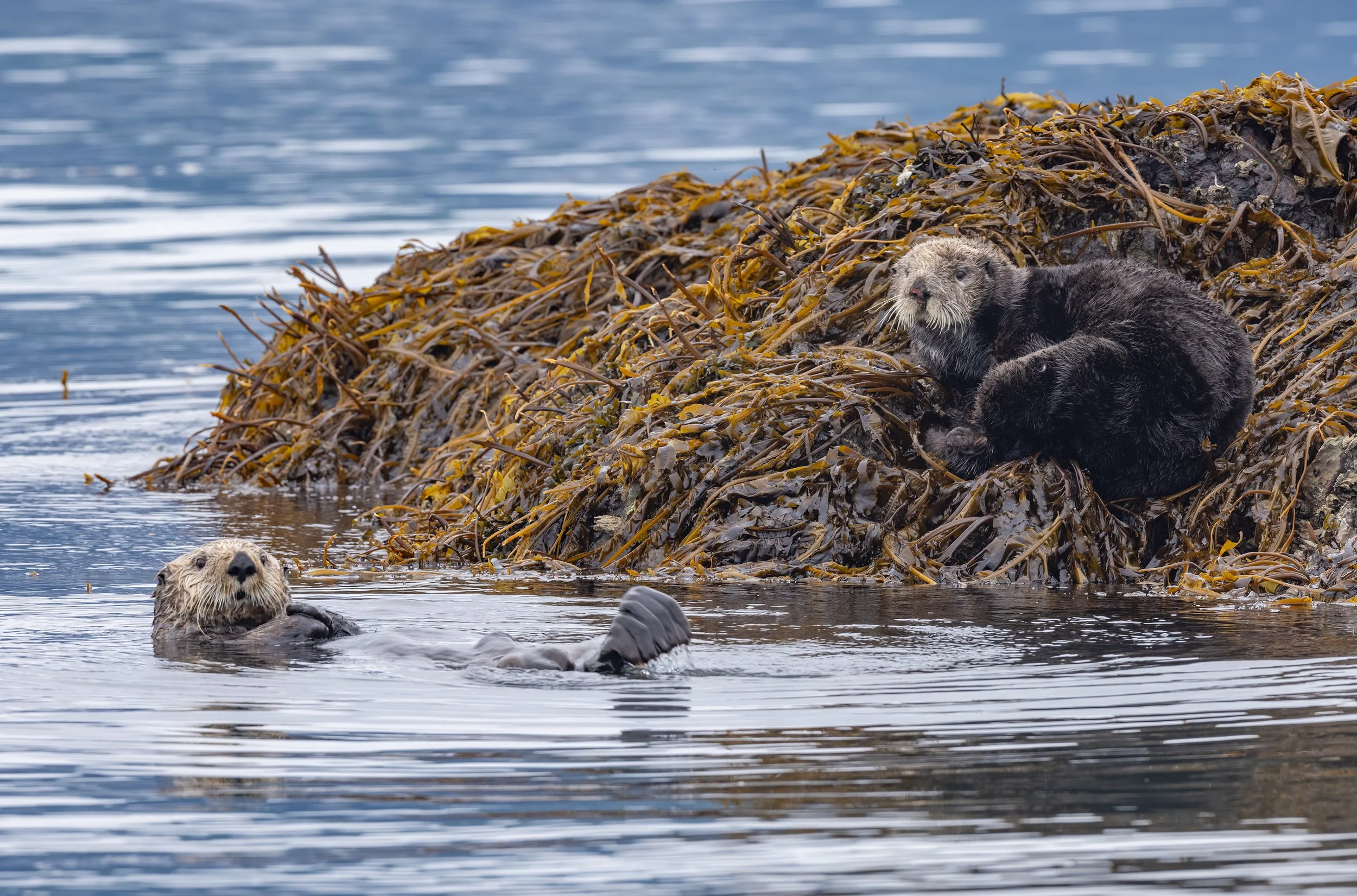
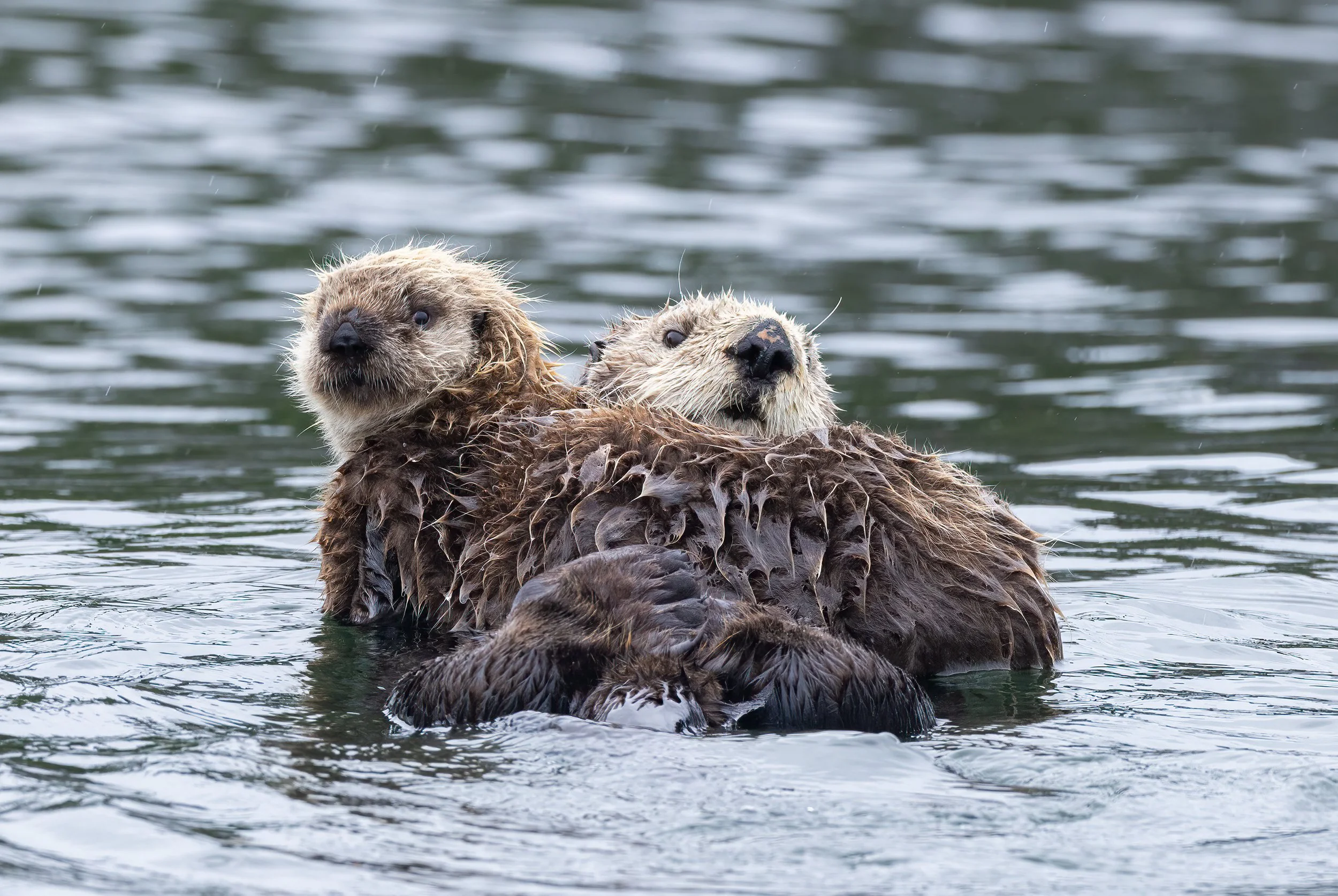
A sea otter pup rests on its mother’s chest.
Nine Facts About Sea Otters
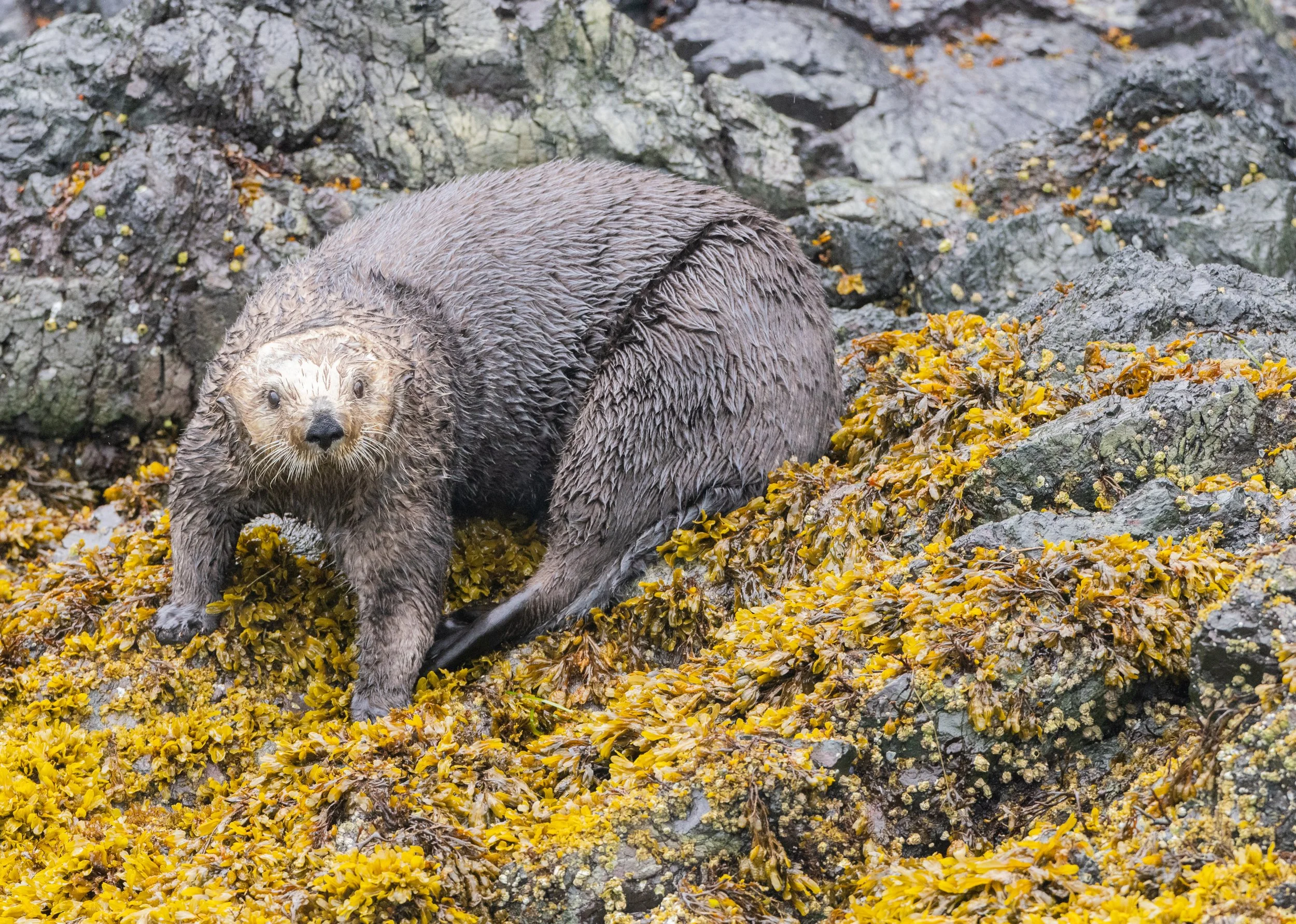
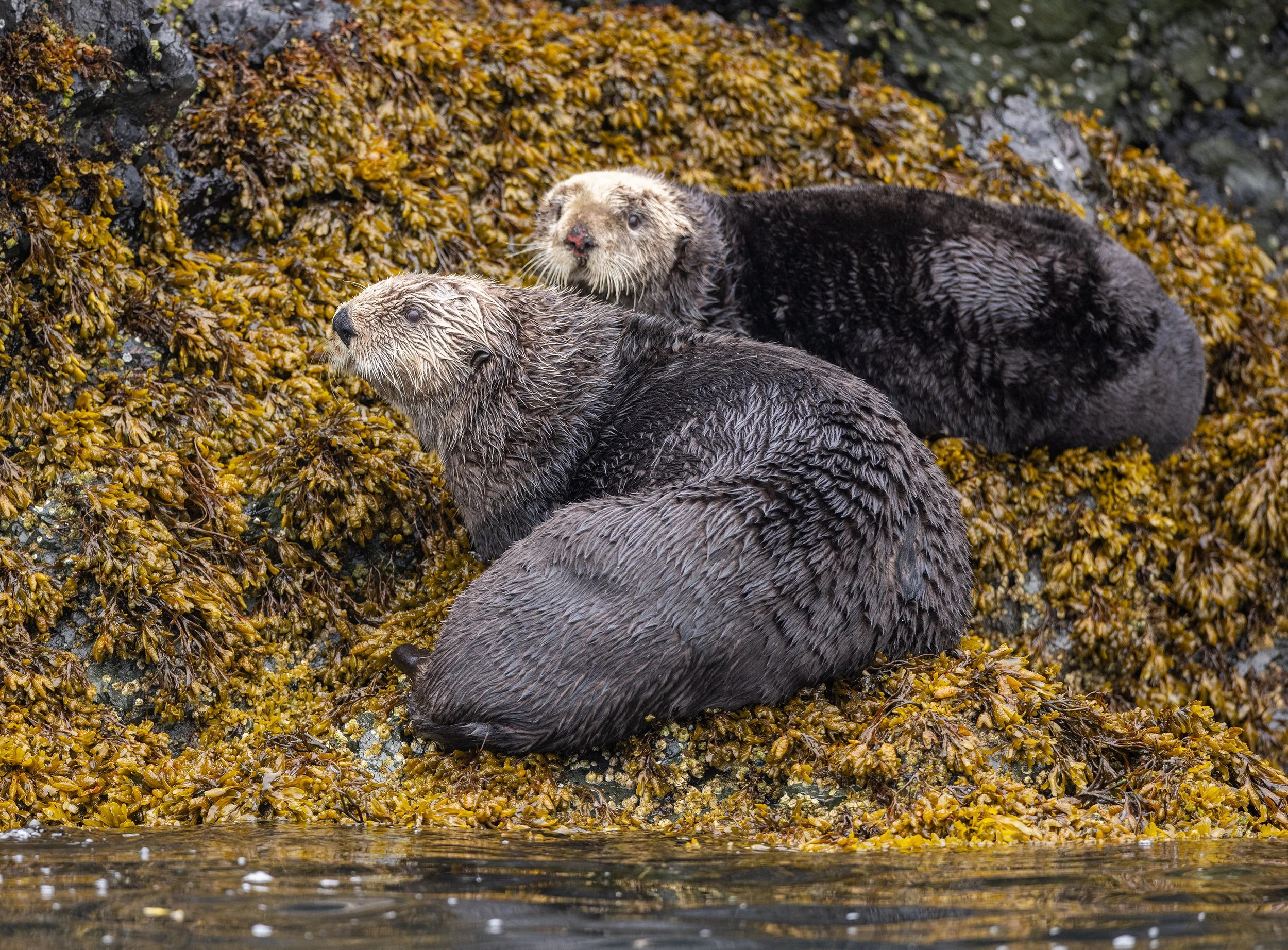
They live entirely in the ocean. Sea otters rarely come ashore and spend most of their lives floating, feeding, and resting at sea.
They use tools. Sea otters are one of the few mammals that regularly use rocks to crack open shellfish.
They have the densest fur of any mammal. Sea otter fur is so thick that they rely on it, not body fat, to stay warm in cold water.
They eat a lot. Sea otters consume up to 25 percent of their body weight in food each day.
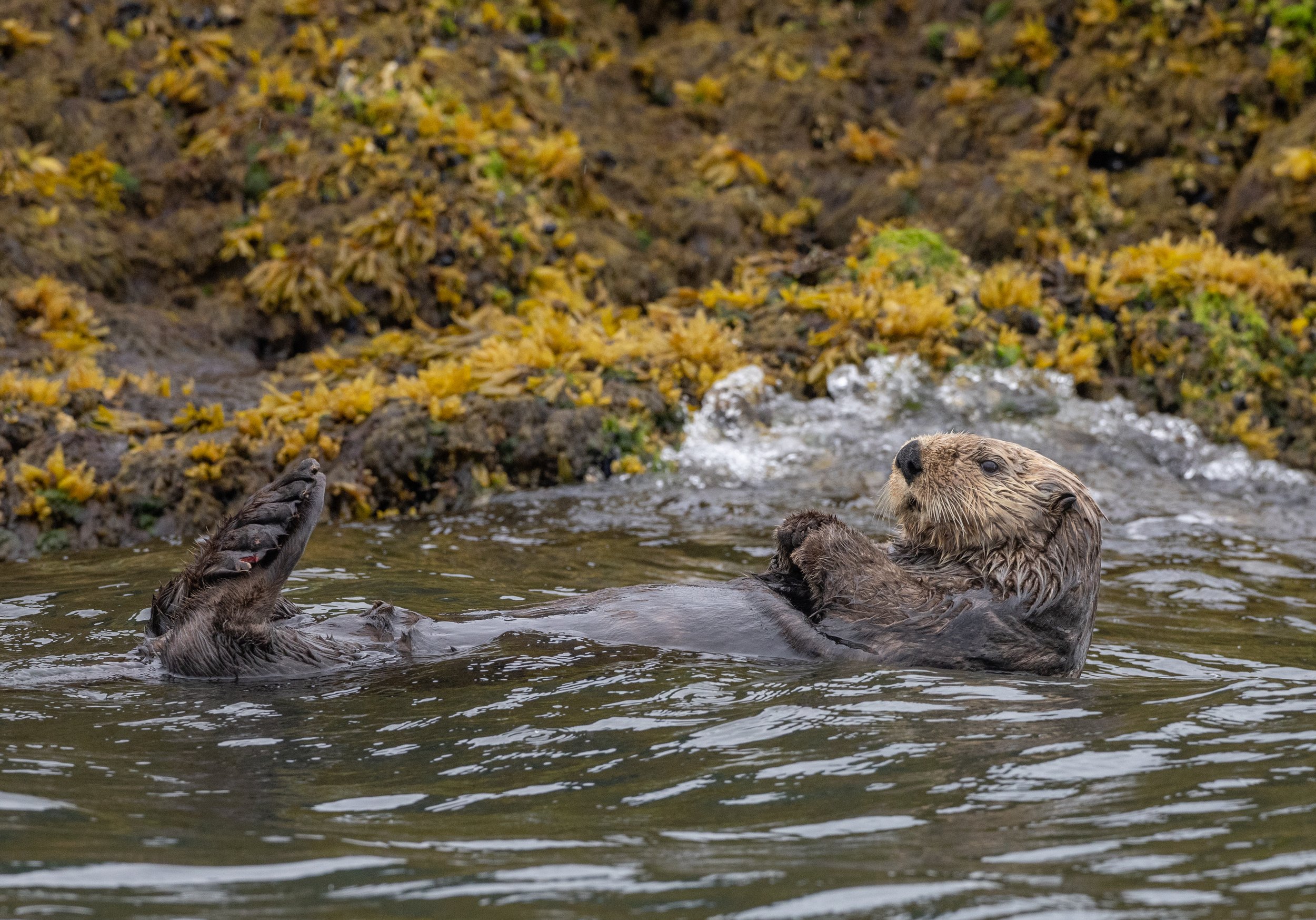
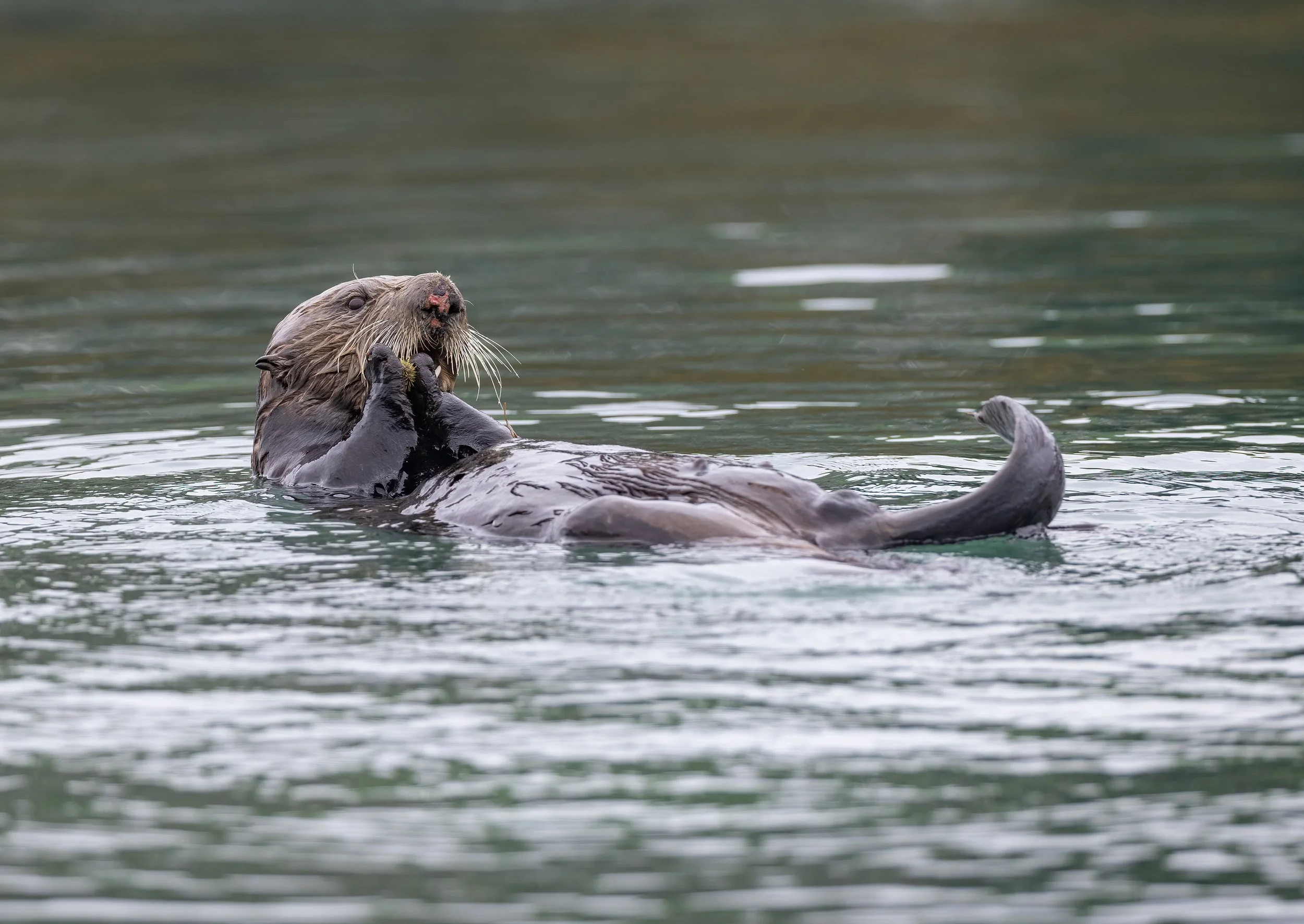
They float on their backs to eat. This behavior makes them instantly recognizable and highly photogenic.
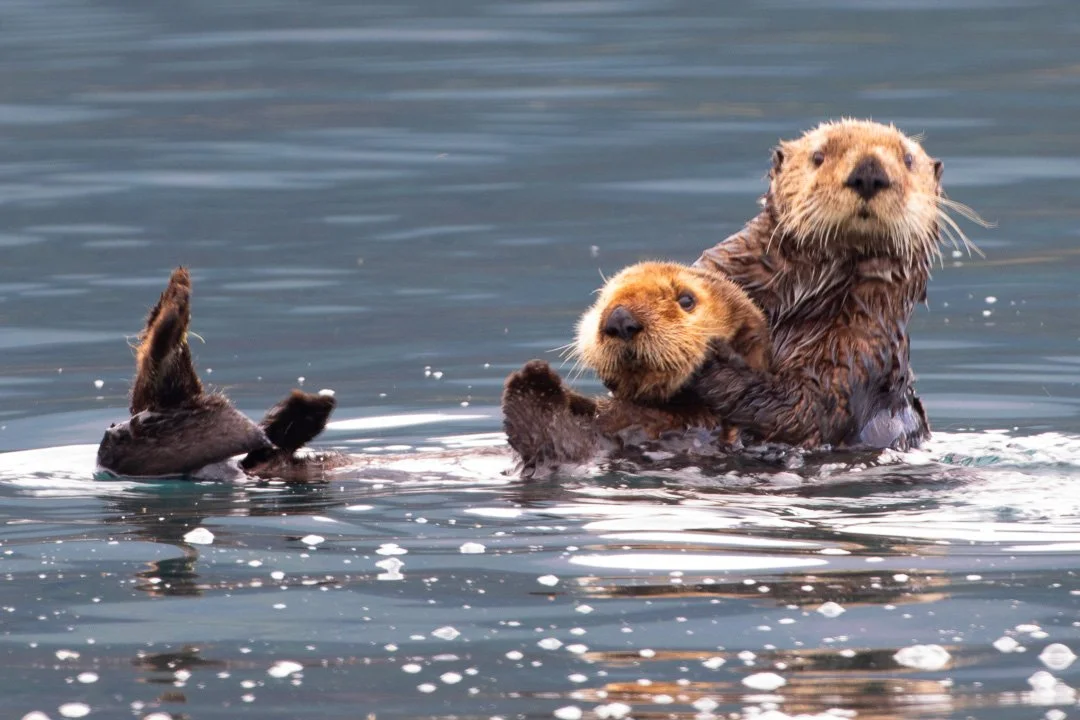
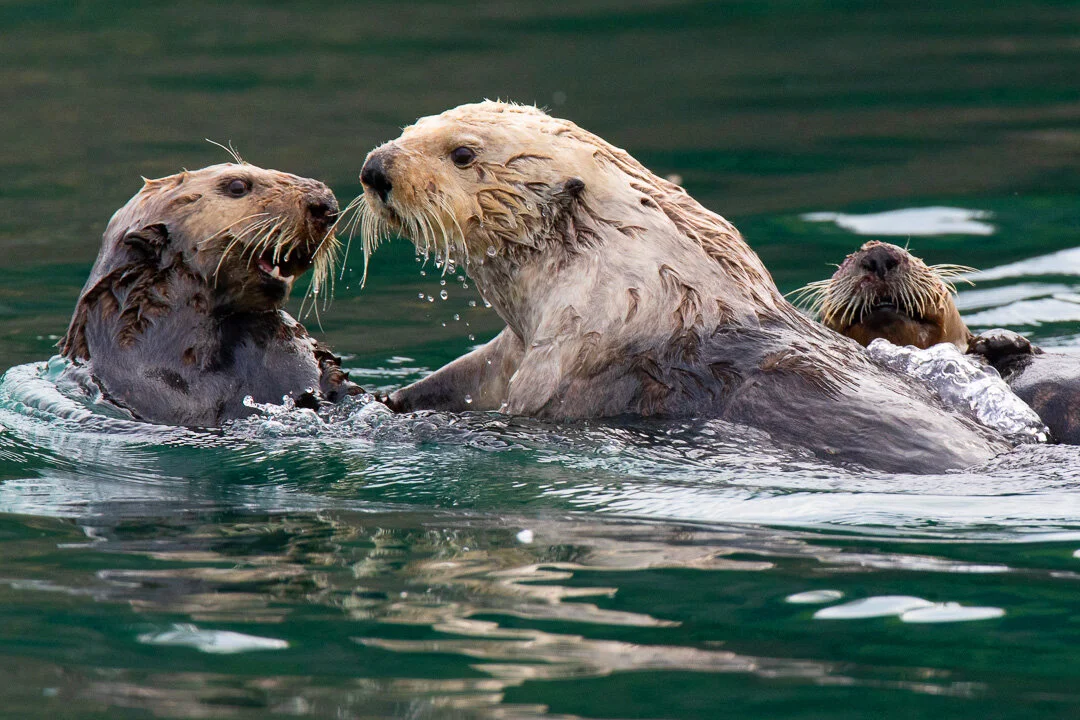
They hold hands while resting. Otters sometimes link together in groups called rafts to keep from drifting apart.
They play a key role in kelp forests. Eating sea urchins helps prevent overgrazing of kelp ecosystems.
Pups ride on their mother’s chest. Young pups often float on their mother while she dives for food.
They nearly went extinct. Sea otters were heavily hunted during the fur trade and have slowly recovered through conservation efforts.
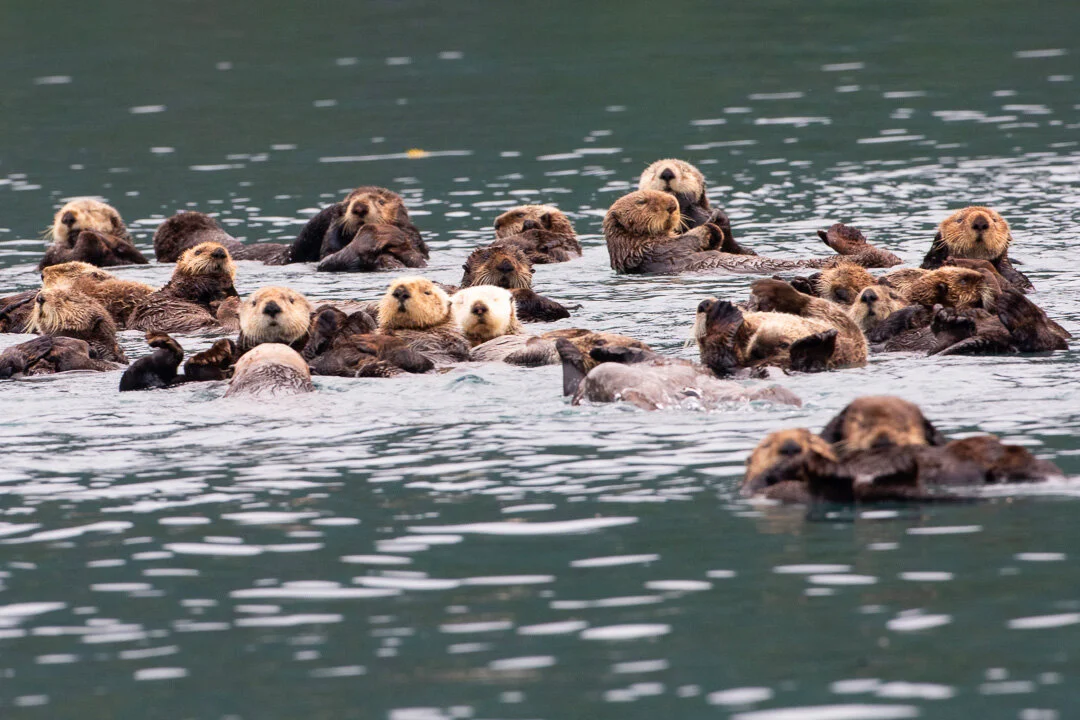
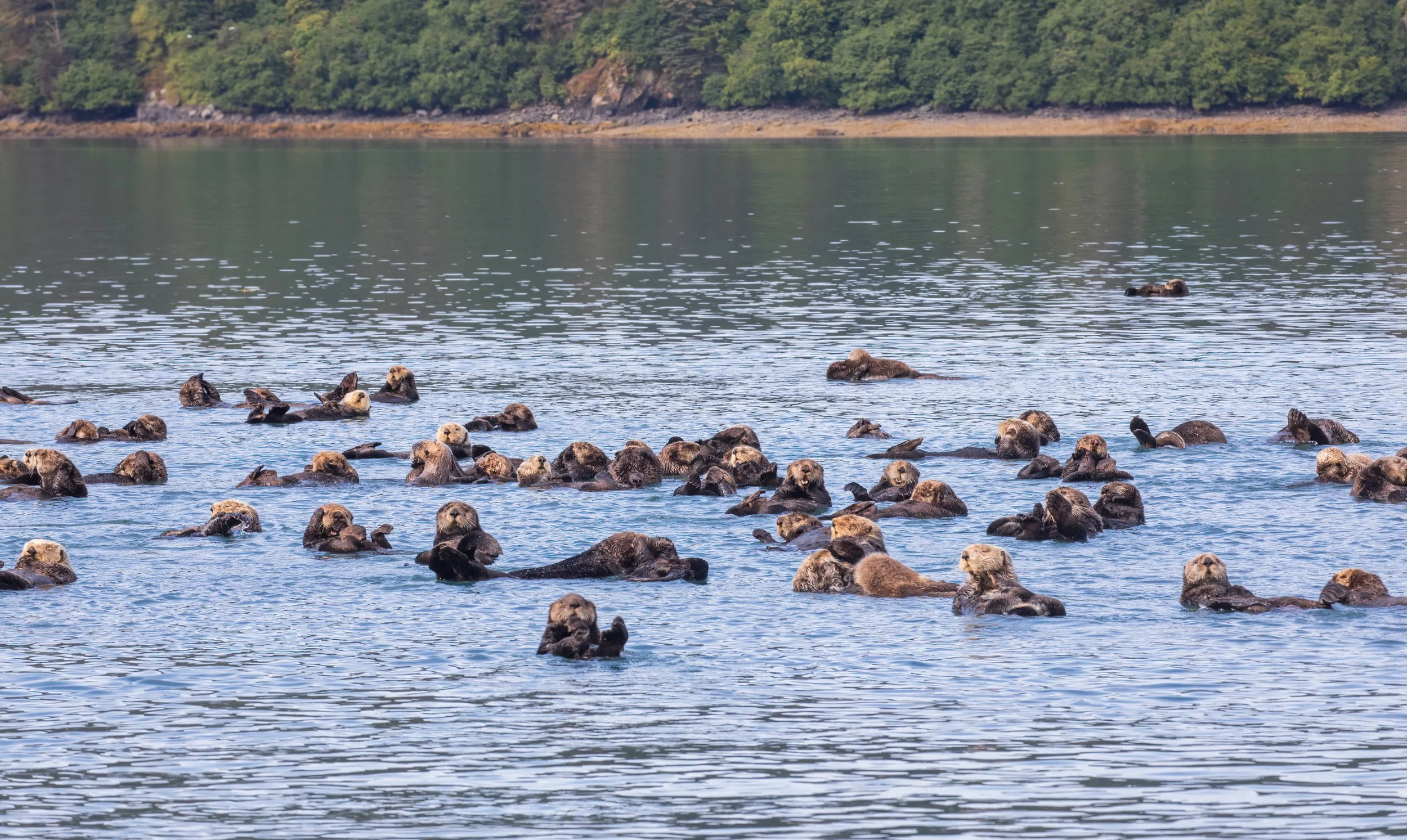
A raft of sea otters gathers together, resting and drifting as a group in protected coastal waters.
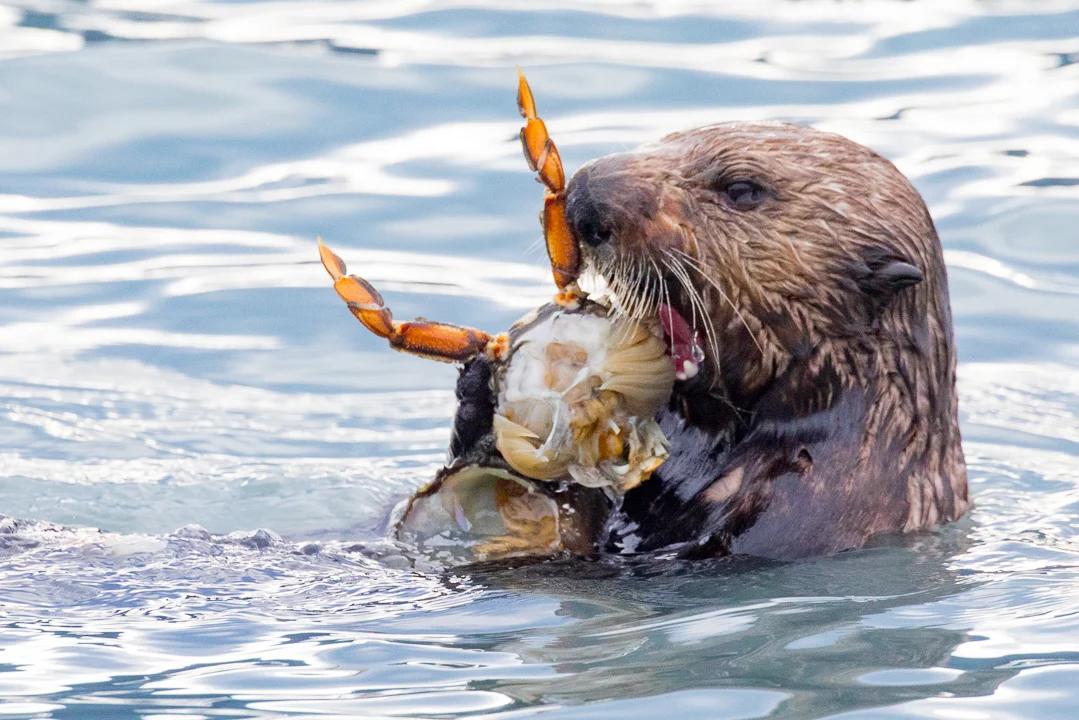
Enjoying a freshly caught crab, using nimble paws to handle its meal.
Where We See Sea Otters on Our Tours
We photograph sea otters along coastal environments, especially in Alaska’s Kenai Peninsula and Inside Passage, where they float among kelp beds and rest near rocky shorelines. These boat-based tours provide excellent opportunities to observe natural behavior up close, from grooming and feeding to mothers caring for pups, all while maintaining a respectful distance. Calm waters and protected coves often create ideal conditions for both behavioral and environmental photographs.
Tips for Spotting and Photographing Sea Otters
Best times: Calm mornings with gentle light, when coastal waters are often at their smoothest. These conditions are ideal for photographing from a boat, especially in Alaska.
Where to look: Kelp forests, protected bays, and rocky coastlines where sea otters rest, groom, and feed. Boat-based tours allow access to these areas while staying at a respectful distance.
Photography tip: When shooting from a boat, watch for repetitive behaviors like grooming, floating on their backs, or cracking shells. Positioning and timing are key as otters surface and drift with the current.
Composition: Use kelp, water texture, reflections, and coastal scenery to add context. Including the surrounding environment helps tell the story of life in Alaska’s coastal waters.
Conservation Status
Sea otters are listed as Endangered under the U.S. Endangered Species Act, with population status varying by region. While some populations in Alaska are stable or recovering, others have experienced significant declines due to factors such as oil spills, predation, disease, and changes in marine ecosystems. Sea otters play a critical role in maintaining healthy kelp forests by controlling sea urchin populations. Continued conservation efforts, habitat protection, and responsible wildlife viewing are essential to their long-term survival along North America’s coastlines.
Sea otters are listed as Endangered under the U.S. Endangered Species Act, with population status varying by region. While some populations in Alaska are stable or recovering, others have experienced significant declines due to factors such as oil spills, predation, disease, and changes in marine ecosystems. Sea otters play a critical role in maintaining healthy kelp forests by controlling sea urchin populations. Continued conservation efforts, habitat protection, and responsible wildlife viewing are essential to their long-term survival along North America’s coastlines.